
Securely Handling PII in Backend Systems: A Practical Approach for 2025
Handling Personally Identifiable Information (PII) securely is a pressing challenge for backend engineers. With increasing data breaches and stringent regulations, failing to protect PII can lead to severe consequences, including hefty fines and reputational damage. Engineers often encounter issues like unauthorized access or data leaks, which can be traced back to inadequate security measures.
Context and Assumptions
This post assumes a tech stack of Java 21, Spring Boot 3.3, and PostgreSQL 16, handling approximately 2,000 requests per second in a single-region deployment. The focus is on backend systems, excluding frontend security measures and client-side encryption.
Why This Matters Now (2025-2026 Context)
As we move into 2025, the landscape of data privacy is evolving rapidly. Regulations like GDPR and CCPA are becoming more stringent, and new laws are emerging globally. The rise of AI and machine learning also increases the risk of data misuse. Engineers must adopt robust security practices to protect PII and comply with these regulations.
Step-by-step Walkthrough of the Approach
-
Data Minimization: Only collect and store PII that is absolutely necessary. This reduces the risk surface and simplifies compliance. Implement data minimization by auditing your data collection processes and removing unnecessary fields.
-
Encryption: Use strong encryption algorithms for data at rest and in transit. For Java applications, leverage libraries like Bouncy Castle or Java Cryptography Extension (JCE) for AES encryption.
java
   // Encrypting data using AES
   Cipher cipher = Cipher.getInstance("AES/CBC/PKCS5Padding");
   SecretKeySpec keySpec = new SecretKeySpec(secretKey.getBytes(), "AES");
   cipher.init(Cipher.ENCRYPT_MODE, keySpec, new IvParameterSpec(iv.getBytes()));
   byte[] encrypted = cipher.doFinal(data.getBytes());
-
Access Controls: Implement strict access controls using role-based access control (RBAC). Ensure that only authorized personnel can access PII. Use Spring Security to define roles and permissions.
-
Audit Logging: Maintain detailed logs of access and modifications to PII. Use tools like ELK Stack (Elasticsearch, Logstash, Kibana) to monitor and analyze logs for suspicious activities.
-
Data Masking: Mask PII in non-production environments to prevent exposure during development and testing. Use libraries like DataMasker to anonymize sensitive data.
-
Regular Security Audits: Conduct regular security audits and penetration testing to identify vulnerabilities. Use automated tools like OWASP ZAP or manual code reviews to ensure compliance with security standards.
Real-world Use Cases or Architecture Patterns
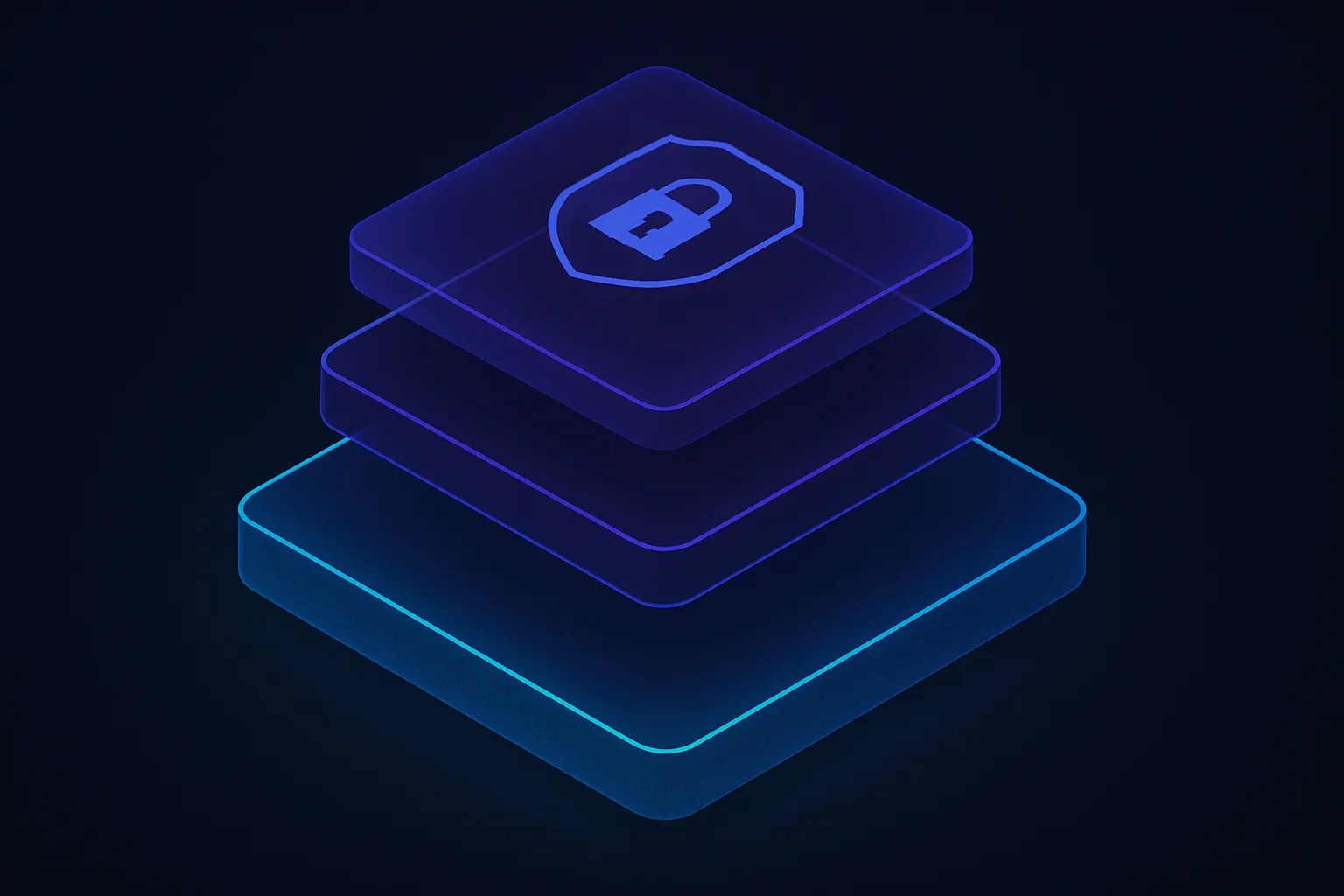
Many companies implement a layered security architecture to protect PII. This involves segregating data into different zones based on sensitivity and applying appropriate security measures at each layer. For instance, a financial institution might use a separate database for PII with stricter access controls and encryption.
Common Mistakes Engineers Make
- Over-collecting Data: Collecting more PII than necessary increases risk and complicates compliance.
- Weak Encryption: Using outdated or weak encryption algorithms can lead to data breaches.
- Inadequate Access Controls: Failing to implement proper access controls can result in unauthorized access to sensitive data.
Trade-offs and When NOT to Use This Approach
Implementing these security measures can increase system complexity and impact performance. For applications with minimal PII or low risk, a simpler approach might suffice. However, for high-risk applications, the benefits of robust security outweigh the costs.
How This Impacts System Design Interviews
Understanding how to handle PII securely is crucial for system design interviews. It demonstrates your ability to design systems that comply with regulations and protect user data. Be prepared to discuss trade-offs and justify your design choices.
Practical Recap
- Audit Data Collection: Review and minimize the PII you collect.
- Implement Encryption: Use strong encryption for data at rest and in transit.
- Define Access Controls: Set up RBAC to restrict access to PII.
- Monitor Logs: Use logging tools to track access and modifications to PII.
- Conduct Security Audits: Regularly test your system for vulnerabilities.
By following these steps, engineers can enhance the security of their backend systems and protect PII effectively.