
AWS vs GCP vs Azure for Backend Engineers: Making the Right Choice for Your Stack
The Cloud Conundrum: Choosing the Right Provider
As a backend engineer, you've likely faced the daunting task of choosing a cloud provider. Perhaps you've seen your AWS bill skyrocket unexpectedly, or you've struggled with GCP's complex networking configurations. Maybe Azure's service outages have left you scrambling. These are not just theoretical concerns; they are real-world challenges that can impact your system's performance and your team's productivity.
Context and Assumptions
This guide assumes you're working with a modern tech stack: Java 21, Spring Boot 3.3, and Postgres 16, handling around 2,000 requests per second in a single region. We'll focus on backend services, excluding front-end and mobile-specific considerations. If your stack or scale differs significantly, the insights here may still be valuable, but some specifics might not apply.
Why This Matters Now (2025-2026 Context)
In 2025, the cloud landscape is more competitive than ever. AWS, GCP, and Azure have all expanded their offerings, making it crucial to understand the nuances of each platform. With the rise of AI-driven services and the increasing importance of multi-cloud strategies, choosing the right provider can significantly affect your system's scalability, reliability, and cost-efficiency.
Step-by-step Walkthrough of the Approach
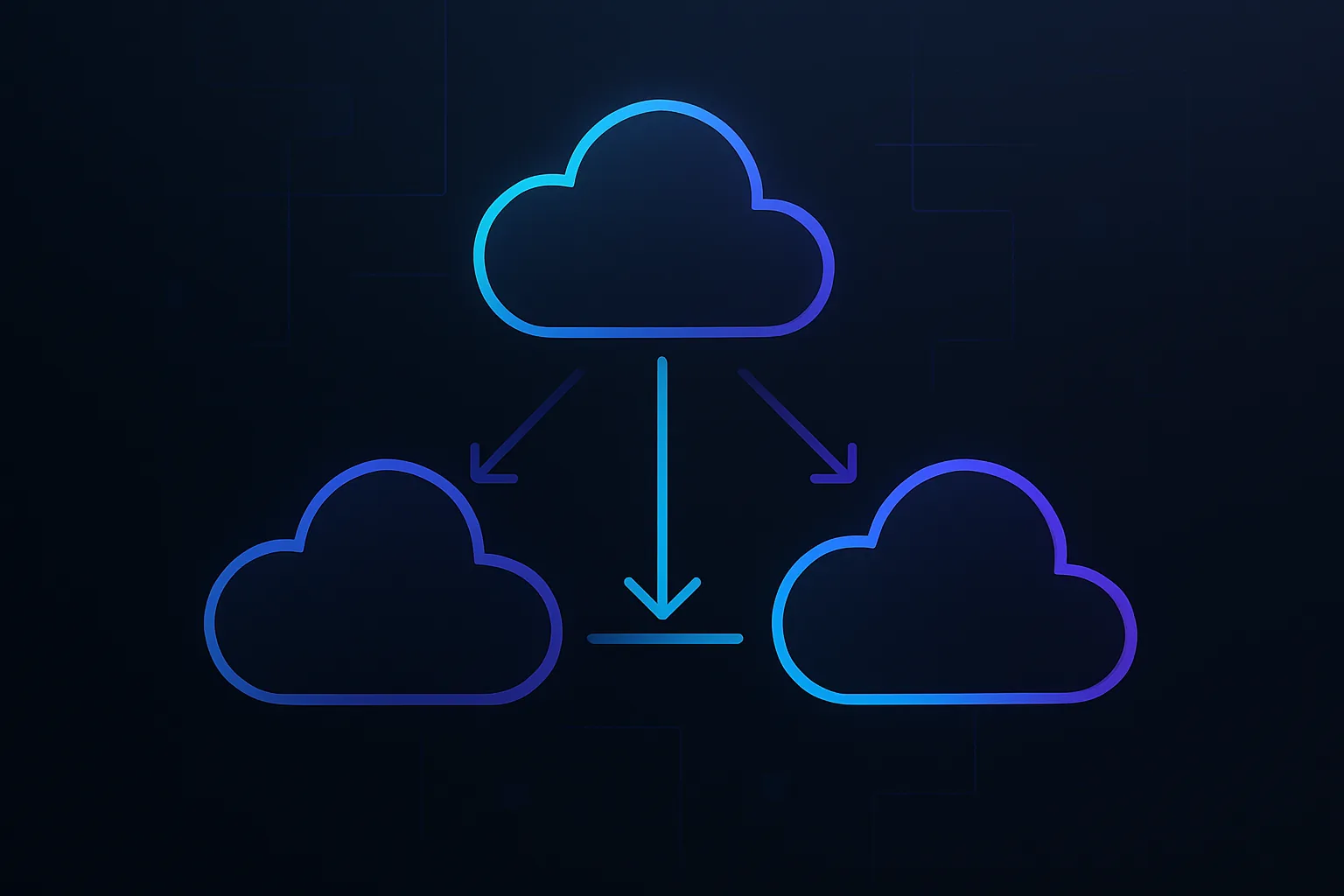
-
Evaluate Your Requirements: Start by listing your specific needs—compute power, storage, networking, AI services, etc. This will guide your decision-making process.
-
Compare Core Services: Look at the core services each provider offers. AWS is known for its extensive service catalog, GCP for its data and AI capabilities, and Azure for its enterprise integrations.
-
Consider Pricing Models: Analyze the pricing models. AWS offers pay-as-you-go, GCP provides sustained use discounts, and Azure has hybrid benefits for existing Microsoft customers.
-
Test Performance: Deploy a small-scale version of your application on each platform to test performance. Measure latency, throughput, and reliability.
-
Assess Support and Community: Evaluate the support options and community resources available. AWS has a vast community, GCP offers strong support for data services, and Azure provides comprehensive enterprise support.
Real-world Use Cases or Architecture Patterns
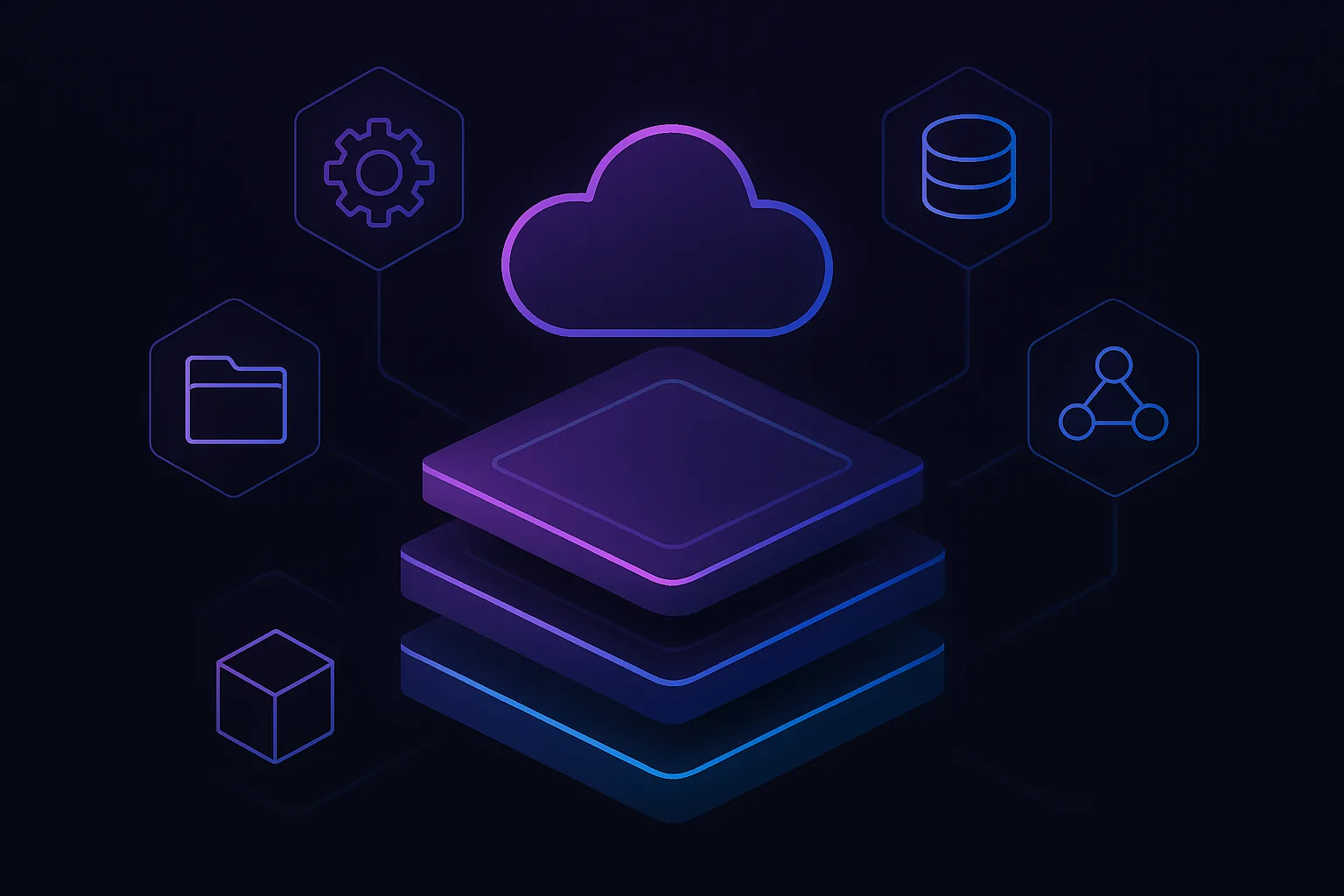
Many companies adopt a multi-cloud strategy to leverage the strengths of each provider. For instance, a company might use AWS for its robust compute services, GCP for its advanced AI tools, and Azure for seamless integration with Microsoft products. This approach can optimize performance and cost but requires careful management of cross-cloud data flows and security.
Common Mistakes Engineers Make
- Overestimating Cost Savings: Assuming one provider is cheaper without a detailed cost analysis can lead to unexpected expenses.
- Ignoring Latency Issues: Not considering the geographical distribution of data centers can result in higher latency.
- Underestimating Complexity: Multi-cloud strategies can introduce significant complexity in terms of management and security.
Trade-offs and When NOT to Use This Approach
While a multi-cloud strategy offers flexibility, it also increases complexity and management overhead. If your team lacks the resources to manage multiple platforms effectively, it might be better to focus on a single provider. Additionally, if your application has strict latency requirements, sticking to one provider with a strong regional presence might be more beneficial.
How This Impacts System Design Interviews
Understanding the strengths and weaknesses of AWS, GCP, and Azure can be a significant advantage in system design interviews. It demonstrates your ability to make informed architectural decisions and your awareness of the trade-offs involved in cloud platform selection.
Practical Recap
- List Your Requirements: Clearly define what you need from a cloud provider.
- Test Across Platforms: Deploy test applications to compare performance.
- Analyze Costs: Conduct a detailed cost analysis for each provider.
- Consider Multi-cloud: Evaluate if a multi-cloud strategy aligns with your goals.
- Stay Informed: Keep up with the latest developments in cloud services to make informed decisions.