Detect and Remediate Infrastructure Drift in the Cloud: A Practical Guide for Engineers
Infrastructure drift is a silent disruptor in cloud environments, often manifesting as unexpected failures, security vulnerabilities, or increased costs. Imagine deploying a microservice only to find it behaves differently across environments due to unnoticed configuration changes. This post delves into detecting and remediating infrastructure drift, ensuring your cloud infrastructure remains consistent and secure.
Context and Assumptions
This guide assumes you're working with AWS, Terraform, and a microservices architecture. Your stack might include Java 21, Spring Boot 3.3, and Kubernetes, handling around 5k req/s across multiple regions. While the principles apply broadly, specific tools and scripts are tailored to this setup. Out of scope are non-cloud environments and non-IaC managed infrastructures.
Why This Matters Now (2025-2026 Context)
As cloud adoption continues to grow, so does the complexity of managing infrastructure. With the rise of multi-cloud strategies and hybrid environments, infrastructure drift becomes a critical challenge. Drift can lead to compliance issues, security risks, and operational inefficiencies. In 2025-2026, with AI-driven infrastructure management tools becoming mainstream, understanding and addressing drift is more crucial than ever.
Step-by-step Walkthrough of the Approach
-
Baseline Your Infrastructure: Use Terraform to define your infrastructure as code. This serves as the source of truth.
bash
   terraform init
   terraform plan -out=tfplan
   terraform apply tfplan
Initialize and apply your infrastructure to establish a baseline. -
Automate Drift Detection: Implement a CI/CD pipeline to regularly check for drift using Terraform's
plancommand.
bash
   terraform plan -detailed-exitcode
Detects changes between your current state and the desired state. -
Alert and Report: Integrate with monitoring tools like AWS CloudWatch or Prometheus to alert on drift detection.
yaml
   # Example CloudWatch alarm configuration
   AlarmName: "TerraformDriftDetected"
   MetricName: "DriftStatus"
   Namespace: "Terraform"
   Statistic: "Maximum"
   Period: 300
   EvaluationPeriods: 1
   Threshold: 1
   ComparisonOperator: "GreaterThanThreshold"
Set up alerts to notify your team of detected drift. -
Remediate Automatically: Use Terraform's
applycommand in a controlled manner to remediate drift.
bash
   terraform apply -auto-approve
Automatically applies changes to bring infrastructure back to the desired state. -
Review and Iterate: Regularly review drift incidents and refine your detection and remediation processes.
Real-world Use Cases or Architecture Patterns
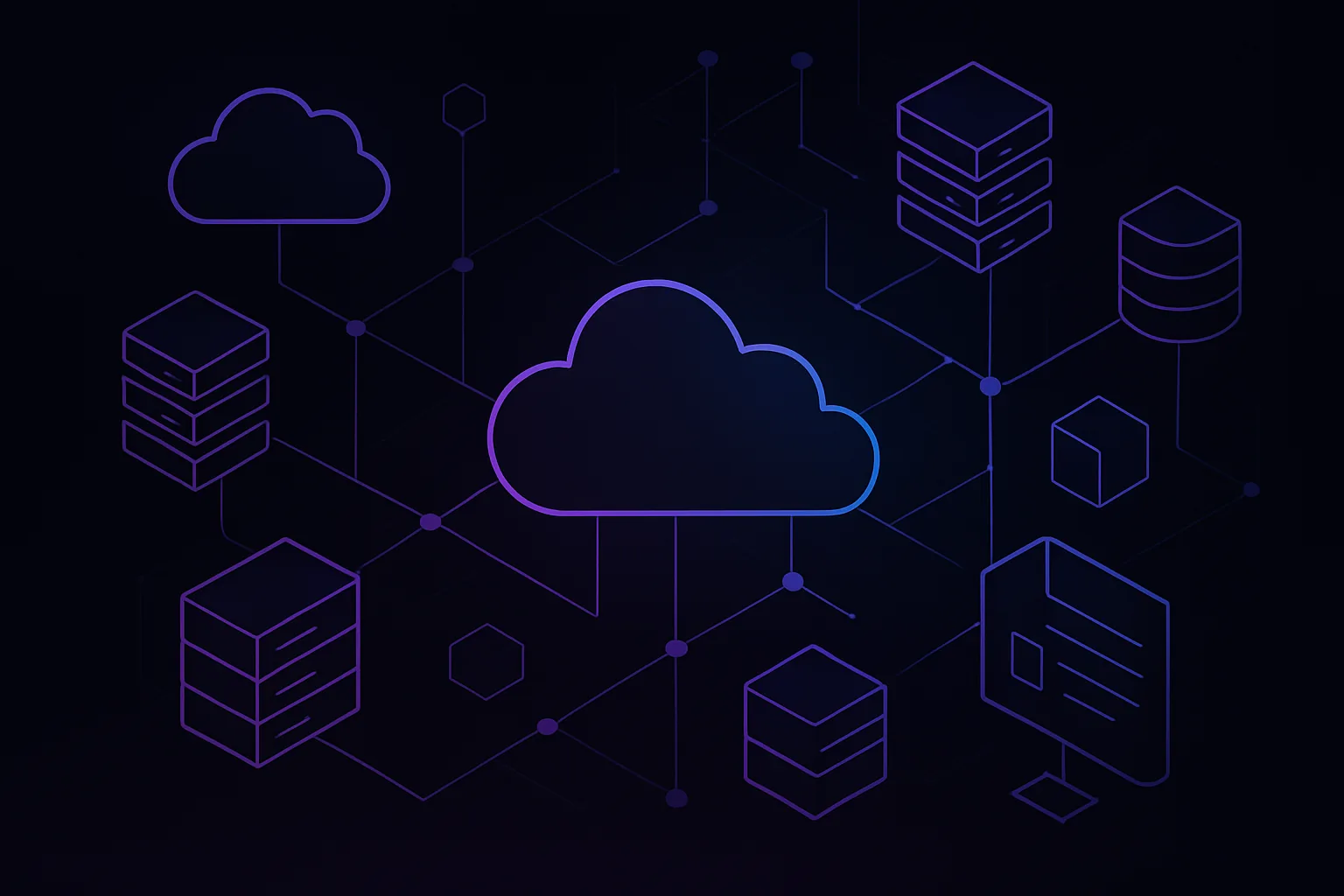
Many organizations, like Netflix and Airbnb, implement automated drift detection as part of their DevOps practices. They use a combination of Terraform, Jenkins, and custom scripts to ensure their infrastructure remains consistent across environments. This approach not only prevents drift but also enhances their ability to scale and adapt to new requirements quickly.
Common Mistakes Engineers Make
- Ignoring Small Drifts: Small, seemingly insignificant drifts can accumulate, leading to significant issues.
- Over-reliance on Automation: While automation is powerful, manual reviews are essential to catch edge cases.
- Lack of Alerts: Without proper alerting, drift can go unnoticed until it causes a problem.
Trade-offs and When NOT to Use This Approach
- Cost: Automated drift detection and remediation can incur additional costs, especially in large-scale environments.
- Complexity: Implementing a robust drift management system adds complexity to your DevOps processes.
- Not Suitable for Non-IaC Environments: This approach relies heavily on infrastructure as code.
How This Impacts System Design Interviews
Understanding infrastructure drift and its management can be a differentiator in system design interviews. It demonstrates your ability to maintain robust, scalable, and secure systems. Interviewers may probe your knowledge of IaC tools and your approach to maintaining infrastructure consistency.
Practical Recap
- Baseline Your Infrastructure: Use Terraform to define and apply your infrastructure.
- Automate Drift Detection: Implement CI/CD pipelines to regularly check for drift.
- Set Up Alerts: Use monitoring tools to alert your team of detected drift.
- Automate Remediation: Use Terraform to automatically apply changes.
- Review Regularly: Continuously improve your drift management processes.
By following these steps, you can effectively manage infrastructure drift, ensuring your cloud environments remain consistent, secure, and cost-effective.