
The Sunk Cost Fallacy in Engineering Decisions: Avoiding the Trap
In the world of software engineering, where decisions can make or break a project, the sunk cost fallacy is a cognitive bias that often leads teams astray. This fallacy occurs when engineers continue investing in a project based on the cumulative prior investment (time, money, resources) rather than the project's current and future value. As we move into 2025 and beyond, the rapid evolution of technology and methodologies makes it crucial to recognize and mitigate this bias.
Why This Topic Matters Now
The tech landscape of 2025–2026 is characterized by rapid advancements in AI, cloud computing, and microservices architecture. With these advancements, the pressure to innovate and deliver quickly has never been higher. Engineers are often faced with decisions about whether to pivot, persevere, or abandon projects. Understanding the sunk cost fallacy is essential to making rational decisions that align with current business goals and technological capabilities.
Understanding the Sunk Cost Fallacy
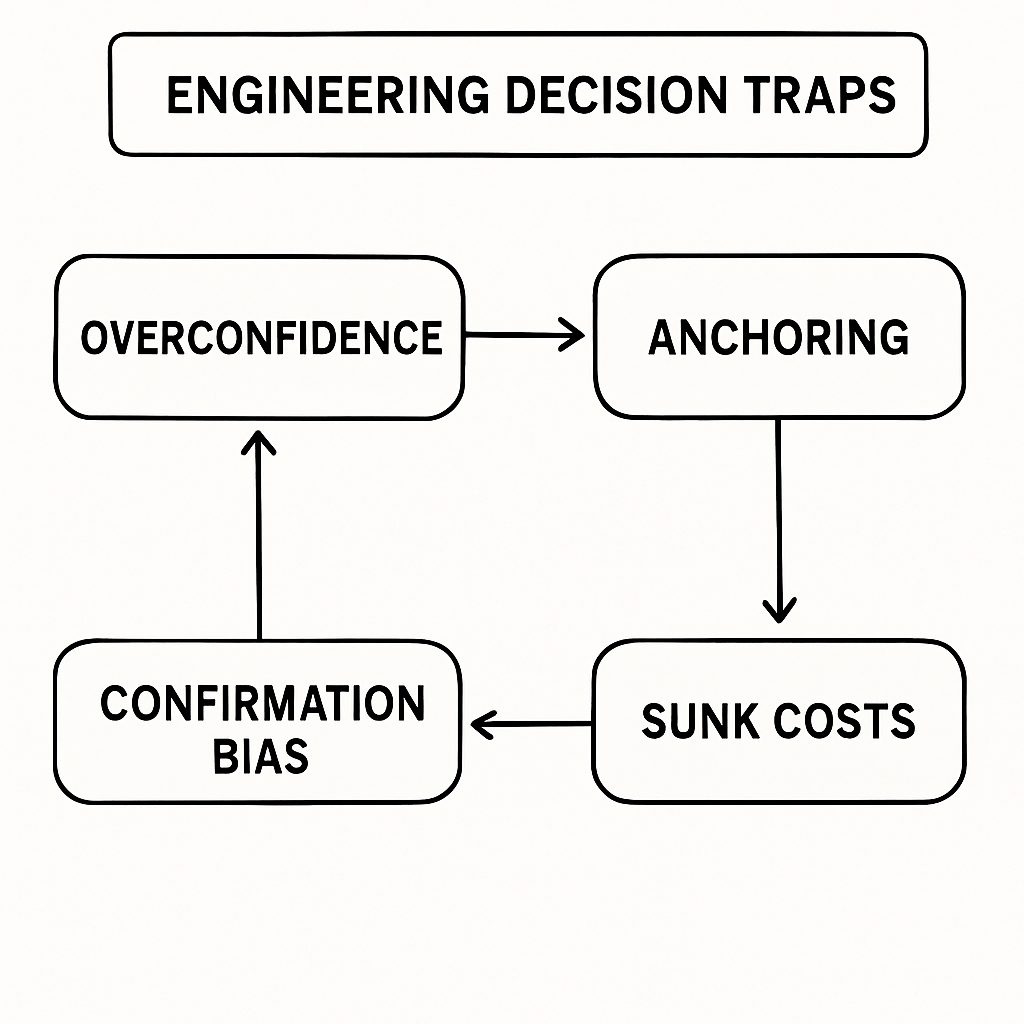
The sunk cost fallacy is the tendency to continue an endeavor once an investment in money, effort, or time has been made. In software engineering, this might manifest as continuing to develop a feature that no longer aligns with user needs or maintaining a legacy system that is costly to operate and difficult to scale.
Example Scenario
Imagine a team working on a monolithic application that has become increasingly difficult to maintain. Despite recognizing the benefits of transitioning to a microservices architecture, the team hesitates due to the significant investment already made in the existing system. This hesitation, driven by the sunk cost fallacy, can prevent the team from adopting a more scalable and efficient solution.
Real-World Use Cases and Architecture Patterns
Microservices Transition
Consider a company that has invested heavily in a monolithic application. The decision to transition to microservices involves not only technical challenges but also overcoming the sunk cost fallacy. The company must evaluate the long-term benefits of microservices, such as improved scalability and faster deployment cycles, against the short-term costs of refactoring and retraining.
Cloud Migration
Another common scenario is cloud migration. Companies with significant investments in on-premises infrastructure may resist moving to the cloud due to past expenditures. However, the potential for cost savings, flexibility, and access to cutting-edge technologies often outweighs the sunk costs.
Common Mistakes Engineers Make
- Overvaluing Past Investments: Engineers often overestimate the value of past investments, leading to suboptimal decision-making.
- Ignoring Opportunity Costs: Focusing solely on sunk costs can cause teams to overlook the opportunity costs of not pursuing more promising alternatives.
- Resistance to Change: Fear of change and the unknown can reinforce the sunk cost fallacy, preventing necessary innovation.
When NOT to Use This Approach
While it's important to recognize the sunk cost fallacy, there are situations where sticking with an existing solution is justified:
- Regulatory Compliance: If a system is deeply integrated with compliance requirements, the cost of change may outweigh the benefits.
- Short-Term Projects: For projects with a limited lifespan, the investment in change may not be justified.
How This Impacts System Design Interviews
Understanding the sunk cost fallacy can be a valuable asset in system design interviews. Interviewers often look for candidates who can make rational decisions based on current data rather than past investments. Demonstrating awareness of this bias can set you apart as a thoughtful and strategic thinker.
Best Practices and Recommendations
- Regularly Reassess Projects: Periodically evaluate projects to ensure they align with current goals and technologies.
- Encourage Open Dialogue: Foster a culture where team members feel comfortable discussing the viability of ongoing projects.
- Focus on Future Value: Make decisions based on the potential future value rather than past investments.
Future Outlook
As technology continues to evolve, the ability to make unbiased decisions will become increasingly important. AI-driven analytics and decision-support tools may help engineers identify and mitigate the sunk cost fallacy, leading to more efficient and effective project management.
Conclusion
The sunk cost fallacy is a common trap in engineering decisions, but by recognizing and addressing it, teams can make more rational choices that align with their strategic objectives. As we navigate the complexities of modern software development, staying vigilant against cognitive biases will be key to success.
By understanding and addressing the sunk cost fallacy, engineers can ensure that their decisions are driven by current and future value, rather than past investments. This mindset will be crucial as we continue to innovate and adapt in the ever-evolving tech landscape.