
The Secure Development Lifecycle: Building Security In, Not Bolting It On
In the ever-evolving world of software development, security has become a paramount concern. As we move into 2025 and beyond, the stakes are higher than ever. Cyber threats are more sophisticated, and the cost of a data breach can be catastrophic. Yet, many organizations still treat security as an afterthought, bolting it on at the end of the development process. This approach is not only inefficient but also risky. Instead, we need to build security into the development lifecycle from the ground up.
Why This Topic Matters Now
As we enter 2025, the digital landscape is more interconnected than ever. With the proliferation of IoT devices, cloud computing, and microservices architectures, the attack surface has expanded significantly. Regulatory requirements, such as GDPR and CCPA, have also tightened, imposing hefty fines for non-compliance. In this context, integrating security into the development lifecycle is not just a best practice—it's a necessity.
Deep Dive into Concepts
Secure Development Lifecycle (SDL)
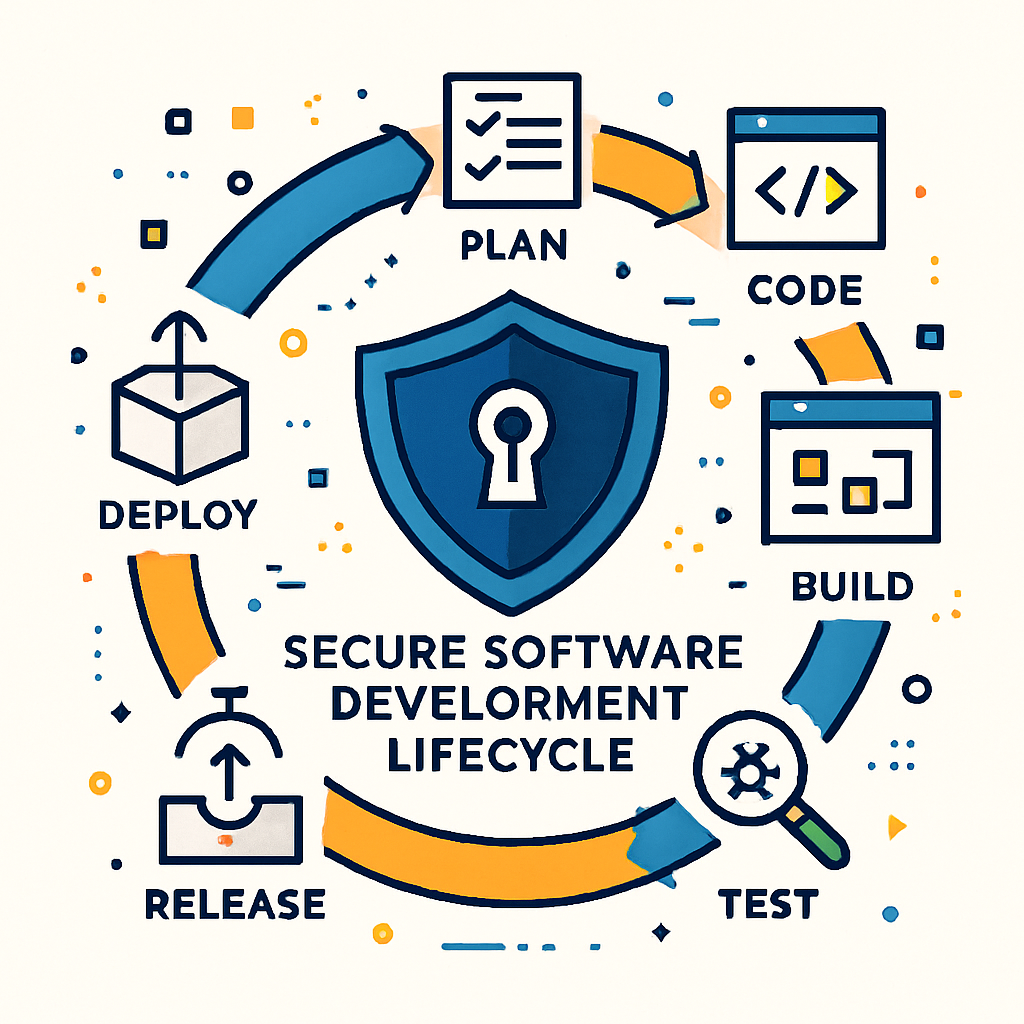
The Secure Development Lifecycle (SDL) is a process that integrates security at every stage of software development. It involves a series of practices designed to identify and mitigate security risks early in the development process. Here's a high-level overview of the SDL stages:
- Requirements Gathering: Identify security requirements alongside functional requirements.
- Design: Incorporate security design patterns and threat modeling.
- Implementation: Use secure coding practices and static analysis tools.
- Testing: Conduct security testing, including penetration testing and code reviews.
- Deployment: Ensure secure deployment configurations and continuous monitoring.
- Maintenance: Regularly update and patch software to address new vulnerabilities.
Real-World Use Cases and Architecture Patterns
Consider a microservices architecture deployed on a cloud platform. Each microservice must be designed with security in mind. For instance, using OAuth2 for authentication and authorization ensures that each service communicates securely. Additionally, implementing network segmentation and using API gateways can help isolate and protect services.
In this architecture, the API Gateway acts as a single entry point, handling authentication and routing requests to the appropriate microservices. This setup not only enhances security but also simplifies management.
Pros, Cons, and Challenges
Pros
- Proactive Security: Identifies vulnerabilities early, reducing the cost and impact of security breaches.
- Compliance: Helps meet regulatory requirements more effectively.
- Reputation: Builds trust with users by demonstrating a commitment to security.
Cons
- Initial Investment: Requires upfront investment in tools and training.
- Complexity: Can add complexity to the development process.
Challenges
- Cultural Shift: Requires a shift in mindset from developers and stakeholders.
- Tool Integration: Integrating security tools into existing CI/CD pipelines can be challenging.
Best Practices / Recommendations
- Adopt a Security-First Mindset: Encourage developers to think about security from the start.
- Use Automated Tools: Leverage static and dynamic analysis tools to automate security checks.
- Conduct Regular Training: Keep your team updated on the latest security threats and practices.
- Implement Continuous Monitoring: Use tools like Prometheus and Grafana to monitor security metrics in real-time.
Common Mistakes Engineers Make
- Ignoring Security in Early Stages: Focusing solely on functionality and leaving security for later.
- Overlooking Third-Party Dependencies: Failing to assess the security of third-party libraries and services.
- Inadequate Testing: Skipping thorough security testing due to time constraints.
When NOT to Use This Approach
While the SDL is beneficial for most projects, there are scenarios where a lighter approach might be more appropriate, such as:
- Prototyping: When building a quick prototype to validate an idea, a full SDL might be overkill.
- Non-Critical Applications: For applications with minimal security risks, a simplified security process may suffice.
How This Impacts System Design Interviews
Understanding and implementing SDL can be a differentiator in system design interviews. It demonstrates a holistic approach to software development, showcasing your ability to design systems that are not only functional but also secure. Interviewers often look for candidates who can balance security with other design considerations.
Future Outlook
As technology continues to evolve, the SDL will become even more critical. With advancements in AI and machine learning, we can expect more sophisticated security tools that can predict and mitigate threats in real-time. The integration of AI into the SDL process will likely become a standard practice, further enhancing the security posture of organizations.
Conclusion
Building security into the development lifecycle is no longer optional—it's essential. By adopting a Secure Development Lifecycle approach, organizations can proactively address security risks, comply with regulations, and build trust with their users. As we move forward, the integration of AI and continuous monitoring will further strengthen our ability to build secure systems. Remember, it's always better to build security in than to bolt it on later.