
The Principal Engineer Path: Beyond Staff and Senior
In the ever-evolving landscape of software engineering, the role of a Principal Engineer has emerged as a pivotal position that transcends the traditional boundaries of senior and staff engineering roles. As we navigate through 2025 and 2026, the demand for Principal Engineers is more pronounced than ever, driven by the complexities of modern software systems and the need for strategic technical leadership.

Why This Topic Matters NOW
The rapid advancement in technologies such as cloud computing, microservices, and artificial intelligence has transformed how software systems are designed and deployed. Companies are increasingly seeking engineers who can not only build robust systems but also guide architectural decisions, mentor teams, and align technical strategies with business goals. The Principal Engineer role is uniquely positioned to fulfill these needs, making it a critical career path for ambitious engineers.
Deep Dive into Concepts
The Role of a Principal Engineer
A Principal Engineer is often seen as a technical leader without direct managerial responsibilities. They are expected to:
- Lead complex projects and initiatives.
- Influence architectural decisions across multiple teams.
- Mentor and develop engineering talent.
- Drive innovation and technical excellence.
Real-World Use Cases and Architecture Patterns
Consider a scenario where a company is transitioning from a monolithic architecture to a microservices-based system. A Principal Engineer would play a crucial role in:
- Designing the microservices architecture.
- Ensuring scalability and resilience.
- Implementing best practices for API design and communication protocols.
Here's a simple example of a microservices architecture using Spring Boot:
@RestController
@RequestMapping("/api/orders")
public class OrderController {

    @Autowired
    private OrderService orderService;

    @PostMapping
    public ResponseEntity<Order> createOrder(@RequestBody Order order) {
        Order createdOrder = orderService.createOrder(order);
        return new ResponseEntity<>(createdOrder, HttpStatus.CREATED);
    }
}
System Design Example
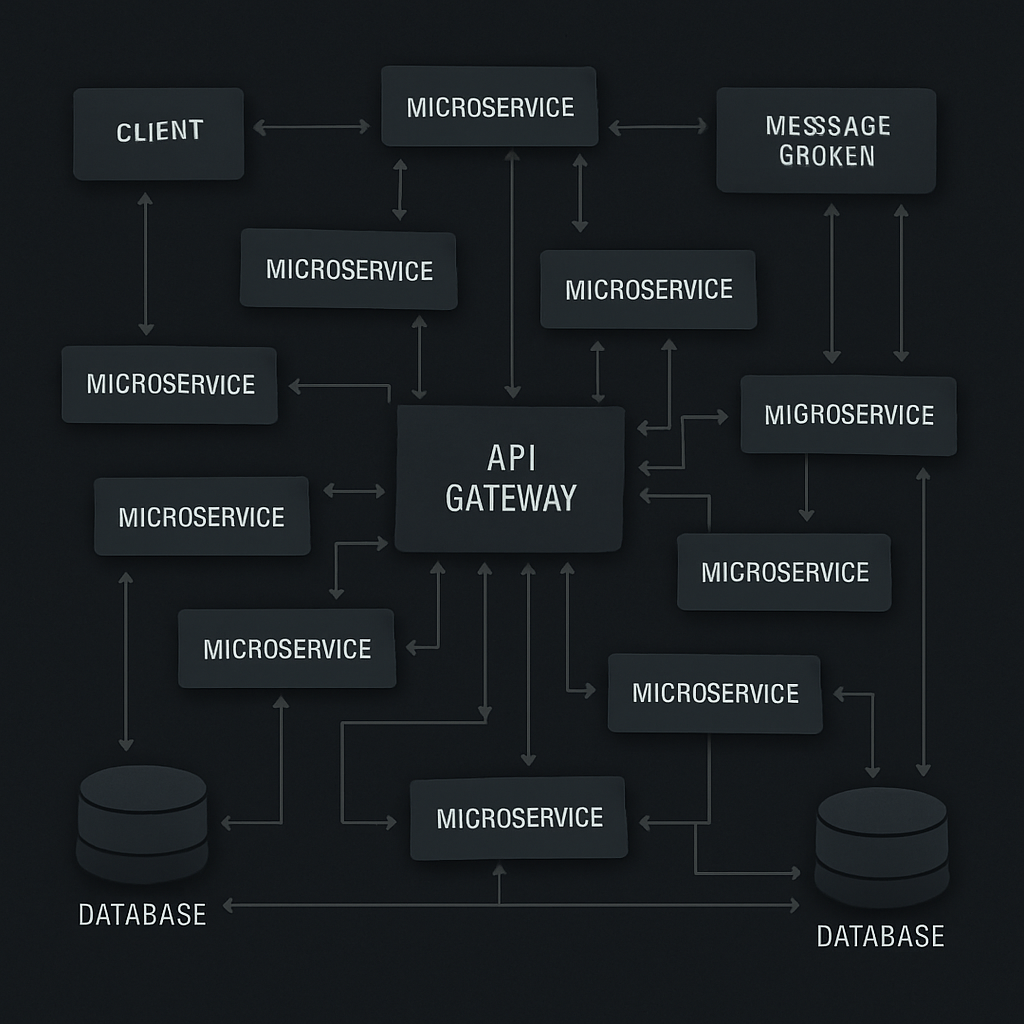
Let's visualize a microservices architecture for an e-commerce platform:
Pros, Cons, and Challenges
Pros
- Strategic Impact: Principal Engineers have a significant influence on the company's technical direction.
- Career Growth: This role offers a path to further leadership positions, such as CTO or VP of Engineering.
Cons
- High Expectations: The role demands a deep understanding of both technical and business aspects.
- Limited Positions: Opportunities for Principal Engineers are fewer compared to other roles.
Challenges
- Balancing technical depth with strategic oversight.
- Navigating organizational politics and aligning diverse teams.
Best Practices / Recommendations
- Continuous Learning: Stay updated with the latest technologies and industry trends.
- Networking: Build relationships with other technical leaders.
- Mentorship: Actively mentor junior engineers to build a strong team.
Common Mistakes Engineers Make
- Overemphasis on Technical Skills: Neglecting the importance of soft skills and strategic thinking.
- Isolation: Focusing too much on individual projects rather than cross-team collaboration.
When NOT to Use This Approach
- Small Teams: In startups or small teams, the role of a Principal Engineer might overlap with other roles, leading to inefficiencies.
- Lack of Organizational Support: Without buy-in from leadership, the impact of a Principal Engineer can be limited.
How This Impacts System Design Interviews
Principal Engineers are often involved in system design interviews, both as interviewers and interviewees. Their role requires:
- Evaluating candidates' ability to design scalable and resilient systems.
- Demonstrating a deep understanding of architectural trade-offs.
Future Outlook
As technology continues to evolve, the role of Principal Engineers will become even more critical. They will be at the forefront of integrating emerging technologies like AI and quantum computing into existing systems, ensuring that companies remain competitive.
Conclusion with Key Takeaways
The path to becoming a Principal Engineer is challenging but rewarding. It requires a blend of technical expertise, strategic vision, and leadership skills. As the demand for this role grows, engineers who aspire to reach this level must focus on continuous learning, mentorship, and cross-functional collaboration.
In summary, the Principal Engineer role is not just a career milestone but a pivotal position that shapes the future of technology within organizations. Embrace the journey, and you'll find yourself at the helm of innovation and impact.