
The Economics of Open Source Sustainability
In the ever-evolving landscape of software development, open source software (OSS) has become the backbone of innovation and collaboration. Yet, as we move into 2025 and beyond, the sustainability of these projects is under scrutiny. How do we ensure that the open source projects we rely on continue to thrive? This post delves into the economics of open source sustainability, offering insights, real-world examples, and best practices for maintaining these vital resources.

Why Open Source Sustainability Matters Now
The importance of open source sustainability has never been more pronounced. With the proliferation of microservices, cloud-native architectures, and AI-driven applications, the reliance on OSS has skyrocketed. Companies are building entire ecosystems on top of open source projects, making their sustainability critical to business continuity and innovation.
In 2025, the landscape is characterized by increased competition, rapid technological advancements, and a growing demand for transparency and security. Open source projects must adapt to these changes while ensuring they remain financially viable and technically robust.
Deep Dive into Open Source Sustainability
The Funding Dilemma
One of the primary challenges facing open source projects is funding. Unlike proprietary software, OSS is freely available, which complicates traditional revenue models. However, several innovative funding mechanisms have emerged:
- Sponsorships and Donations: Platforms like GitHub Sponsors and Open Collective allow individuals and organizations to financially support projects.
- Dual Licensing: Projects offer a free open source version and a paid proprietary version with additional features or support.
- Service-Based Models: Companies provide paid services such as consulting, support, or custom development around the open source project.
Real-World Use Cases
Consider the case of Elastic, the company behind Elasticsearch. Elastic adopted a dual licensing model, offering both an open source version and a proprietary version with additional features. This approach has allowed them to monetize their software while maintaining a strong open source community.
Another example is Red Hat, which has built a successful business model around providing enterprise support and services for open source software like Linux.
Architecture Patterns
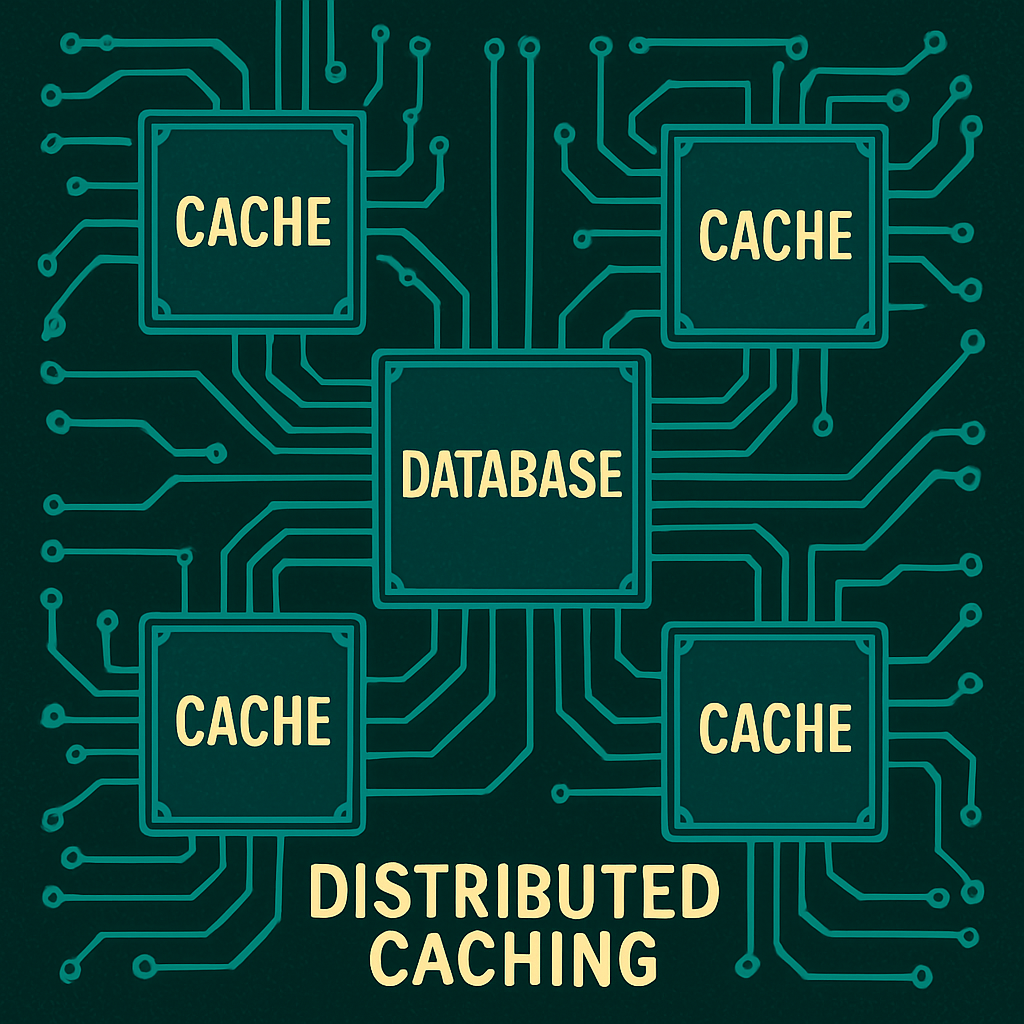
Incorporating open source components into system architectures requires careful consideration. Here's a typical architecture pattern using open source tools:
This architecture leverages open source databases and caching solutions, demonstrating how OSS can be integrated into scalable, cloud-native applications.
Pros, Cons, and Challenges
Pros
- Cost-Effectiveness: OSS reduces licensing costs and accelerates development.
- Community Support: A vibrant community can drive innovation and provide support.
- Transparency: Open source code allows for greater transparency and security.
Cons
- Sustainability Risks: Without proper funding, projects may become stagnant or abandoned.
- Integration Complexity: Combining multiple open source components can lead to compatibility and maintenance challenges.
Challenges
- Security: Ensuring the security of open source components is critical, especially in production environments.
- Governance: Effective governance models are needed to manage contributions and project direction.
Best Practices / Recommendations
- Diversify Funding Sources: Relying on a single funding source can be risky. Explore multiple revenue streams such as sponsorships, dual licensing, and services.
- Engage the Community: Foster a strong community by encouraging contributions, providing clear documentation, and recognizing contributors.
- Implement Robust Security Practices: Regularly audit open source components for vulnerabilities and ensure compliance with security standards.
- Adopt a Governance Model: Establish a clear governance structure to manage project contributions and decision-making.
Future Outlook
As we look to the future, the sustainability of open source projects will depend on innovative funding models, strong community engagement, and robust governance. The rise of AI and machine learning presents new opportunities for open source projects to thrive, as these technologies often rely on open source frameworks and libraries.
Common Mistakes Engineers Make
- Ignoring Licensing Terms: Failing to understand and comply with open source licenses can lead to legal issues.
- Underestimating Maintenance Effort: Engineers often overlook the ongoing maintenance required for open source components.
- Neglecting Community Engagement: A lack of engagement with the community can lead to missed opportunities for collaboration and support.
When NOT to Use This Approach
- Mission-Critical Systems: If an open source project lacks active maintenance or a strong community, it may not be suitable for mission-critical systems.
- Highly Specialized Needs: When specific features or support are required that open source projects cannot provide, proprietary solutions may be more appropriate.
How This Impacts System Design Interviews
Understanding the economics of open source sustainability can be a valuable asset in system design interviews. It demonstrates an awareness of the broader software ecosystem and the ability to make informed decisions about technology choices. Interviewers may probe your understanding of open source licensing, community dynamics, and integration challenges.
Conclusion
The economics of open source sustainability is a complex but crucial topic for modern software development. By understanding the challenges and opportunities, engineers can make informed decisions that ensure the longevity and success of open source projects. As we move forward, embracing innovative funding models, engaging with communities, and implementing robust governance will be key to sustaining the open source ecosystem.
Key Takeaways:
- Diversify funding sources to ensure project sustainability.
- Engage with the community to drive innovation and support.
- Implement strong security and governance practices to manage open source projects effectively.