
The Developer Advocate Role: Bridging OSS and Product
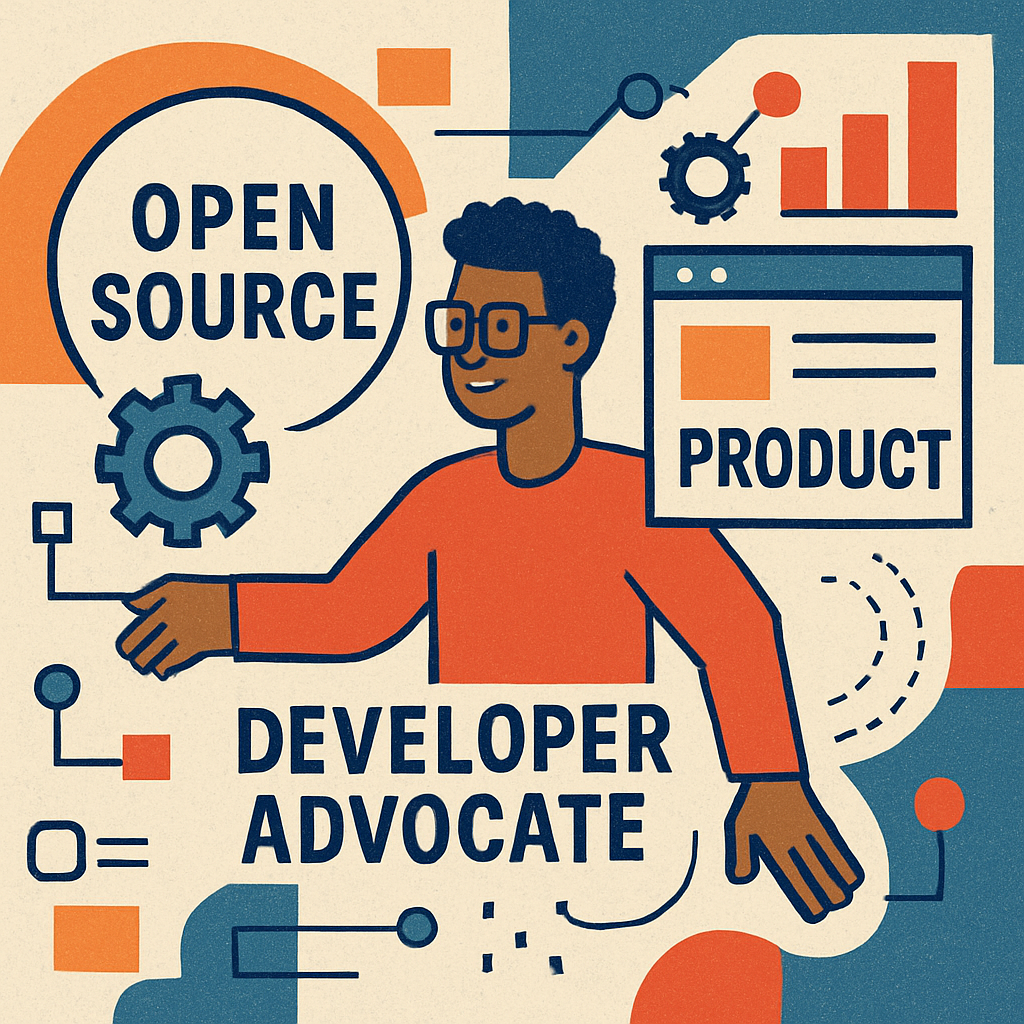
In the fast-paced world of software development, the role of a Developer Advocate has emerged as a pivotal bridge between open-source software (OSS) and commercial products. As companies increasingly rely on OSS to accelerate innovation and reduce costs, the need for a dedicated role to manage the intersection of community-driven projects and proprietary solutions has never been more critical.
Why This Topic Matters NOW
As we step into 2025–2026, the software industry is witnessing a paradigm shift. The adoption of OSS is at an all-time high, with enterprises leveraging it to build scalable, resilient systems. However, integrating OSS with proprietary products presents unique challenges, from licensing issues to community engagement. The Developer Advocate role is crucial in navigating these complexities, ensuring that both OSS and commercial products thrive symbiotically.
Deep Dive into Concepts
The Role of a Developer Advocate
A Developer Advocate serves as a liaison between the developer community and the product team. They are responsible for:
- Community Engagement: Building and nurturing relationships with the OSS community.
- Feedback Loop: Gathering insights from developers to inform product development.
- Education and Evangelism: Promoting best practices and educating developers on how to effectively use both OSS and proprietary tools.
Real-World Use Cases
Consider a company like Red Hat, which has successfully integrated OSS into its product offerings. Developer Advocates at Red Hat play a crucial role in engaging with the community, contributing to projects like Kubernetes, and ensuring that customer feedback is incorporated into their enterprise solutions.
Architecture Patterns
In a microservices architecture, Developer Advocates can help design systems that leverage OSS components effectively. For example, using Spring Boot for microservices development while integrating with proprietary APIs for specific business logic.
Pros, Cons, and Challenges
Pros
- Innovation: Access to cutting-edge OSS technologies.
- Cost Efficiency: Reduced development costs by leveraging existing OSS.
- Community Support: A vibrant community that contributes to rapid problem-solving.
Cons
- Licensing Risks: Potential legal issues with OSS licenses.
- Integration Complexity: Challenges in integrating OSS with proprietary systems.
- Community Management: Balancing community needs with business goals.
Challenges
- Maintaining Balance: Ensuring that both OSS and proprietary products receive adequate attention.
- Technical Debt: Managing the technical debt that can arise from integrating diverse technologies.
Best Practices / Recommendations
- Clear Communication: Establish transparent communication channels between the community and product teams.
- Regular Contributions: Encourage regular contributions to OSS projects to maintain credibility.
- Feedback Mechanisms: Implement robust feedback mechanisms to capture insights from both internal and external developers.
Future Outlook
The role of Developer Advocates will continue to evolve, with a greater emphasis on AI-driven insights to predict community trends and product needs. As AI becomes more integrated into development processes, Developer Advocates will need to adapt, leveraging these technologies to enhance their advocacy efforts.
Common Mistakes Engineers Make
- Ignoring Community Feedback: Failing to incorporate community feedback can lead to product misalignment.
- Over-Promising: Making commitments to the community that the product team cannot fulfill.
- Neglecting Documentation: Poor documentation can hinder OSS adoption and integration.
When NOT to Use This Approach
- Limited Resources: If your organization lacks the resources to support a Developer Advocate, it may be better to focus on other priorities.
- Niche Products: For highly specialized products with limited OSS interaction, a Developer Advocate may not be necessary.
How This Impacts System Design Interviews
Understanding the role of a Developer Advocate can be a differentiator in system design interviews. Candidates who can articulate how OSS and proprietary systems can be integrated effectively demonstrate a holistic understanding of modern software ecosystems.
Conclusion
The Developer Advocate role is indispensable in today's software landscape, bridging the gap between OSS and commercial products. By fostering community engagement, facilitating feedback loops, and promoting best practices, Developer Advocates ensure that both OSS and proprietary solutions thrive. As we look to the future, their role will only become more critical in navigating the complexities of an increasingly interconnected software ecosystem.
In this post, we've explored the multifaceted role of Developer Advocates, their impact on system design, and best practices for success. As the software industry continues to evolve, embracing this role will be key to harnessing the full potential of both open-source and proprietary technologies.