
The Death of the Junior Developer? Rethinking Career Ladders
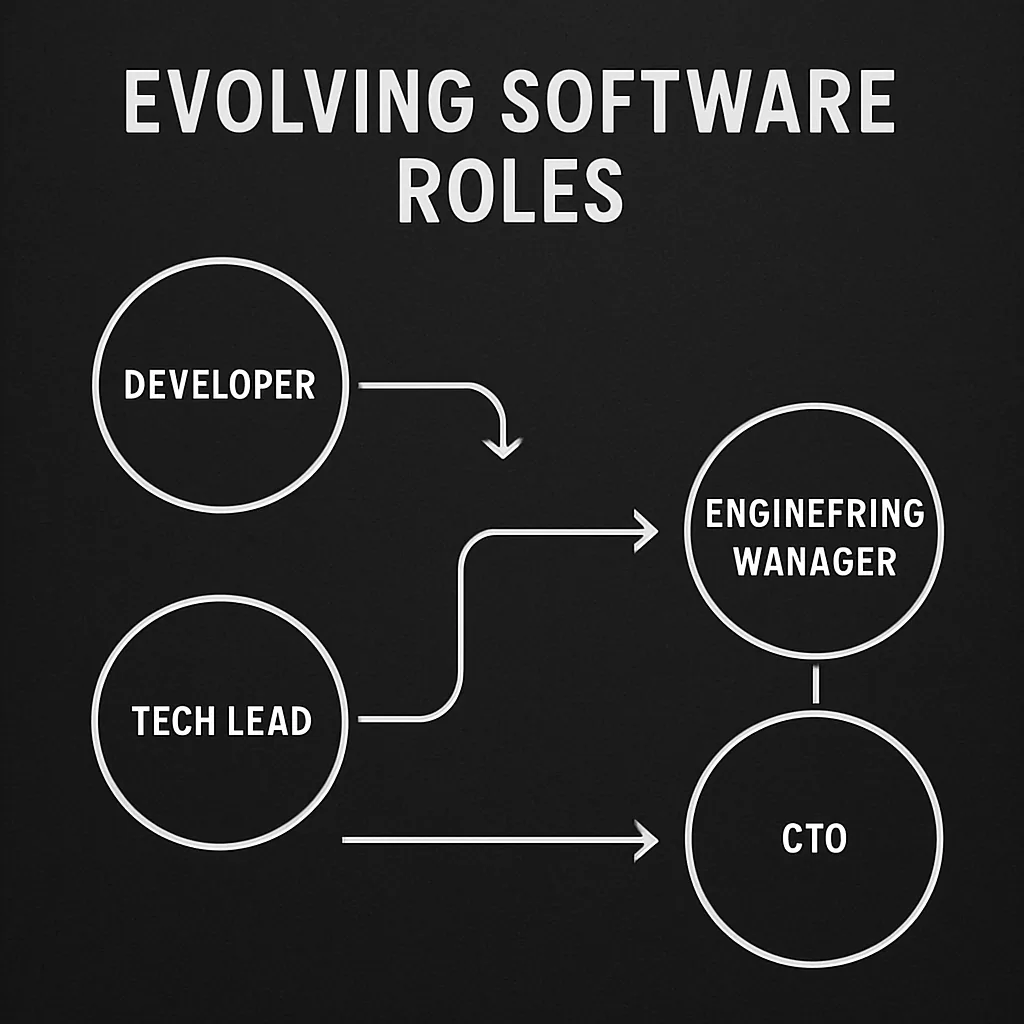
In the fast-paced world of software engineering, the traditional career ladder is undergoing a seismic shift. The role of the junior developer, once a staple in tech teams, is being redefined. As we move into 2025 and beyond, the question arises: Is the junior developer role becoming obsolete, or is it simply evolving?

Why This Topic Matters Now
The software industry is experiencing rapid technological advancements, with AI, cloud computing, and microservices architecture leading the charge. These changes demand a higher level of expertise and adaptability from engineers. As a result, companies are rethinking their hiring strategies and career development paths. The focus is shifting towards more experienced engineers who can hit the ground running, leaving junior developers in a precarious position.
Deep Dive into Concepts
The Evolving Role of Junior Developers
Traditionally, junior developers were seen as apprentices, learning the ropes under the guidance of senior engineers. However, with the increasing complexity of modern software systems, the learning curve has steepened. Companies now expect new hires to contribute meaningfully from day one, which is challenging for those just starting their careers.
Real-World Use Cases and Architecture Patterns
Consider a typical microservices architecture in a cloud environment. A junior developer might struggle with the intricacies of service communication, data consistency, and fault tolerance. Here's a simplified example of a microservices architecture:
In this setup, understanding the interactions between services and ensuring data integrity across distributed systems requires a level of expertise that junior developers may not yet possess.
Pros, Cons, and Challenges
Pros
- Increased Efficiency: Hiring more experienced developers can lead to faster project completion and fewer errors.
- Reduced Training Costs: Companies save on the resources needed to train junior developers.
Cons
- Limited Talent Pool: By focusing on experienced hires, companies may miss out on nurturing fresh talent.
- Higher Salaries: Experienced developers command higher salaries, impacting budgets.
Challenges
- Knowledge Transfer: Without junior developers, there's a risk of losing institutional knowledge as senior engineers move on.
- Innovation Stagnation: Fresh perspectives from junior developers can drive innovation, which may be lost if their roles diminish.
Best Practices / Recommendations
- Mentorship Programs: Establish strong mentorship programs to bridge the gap for junior developers.
- Incremental Learning: Implement structured learning paths that allow juniors to gradually take on more complex tasks.
- Diverse Teams: Maintain a balance of experience levels within teams to foster knowledge sharing and innovation.
Future Outlook
As AI and automation continue to evolve, the role of the junior developer will likely transform rather than disappear. Junior developers may focus more on specialized areas such as AI model training or DevOps automation, where they can quickly gain expertise and contribute value.
Common Mistakes Engineers Make
- Underestimating Complexity: Junior developers often underestimate the complexity of distributed systems, leading to design flaws.
- Over-reliance on Tools: Relying too heavily on frameworks without understanding underlying principles can be detrimental.
When NOT to Use This Approach
- Startups: In early-stage startups, the flexibility and fresh ideas of junior developers can be invaluable.
- Innovation Projects: Projects that require out-of-the-box thinking may benefit from the diverse perspectives of a mixed-experience team.
How This Impacts System Design Interviews
The shift in focus towards experienced hires is reflected in system design interviews. Candidates are expected to demonstrate a deep understanding of complex architectures and scalability challenges. Junior developers may find these interviews daunting without adequate preparation.
Conclusion
The role of the junior developer is not dying; it is evolving. As the industry adapts to new technologies and methodologies, so too must the career paths within it. By rethinking career ladders and embracing the potential of junior developers, companies can ensure a robust and innovative engineering future.
Key Takeaways:
- The role of junior developers is evolving due to technological advancements.
- Companies should balance experienced hires with nurturing fresh talent.
- Structured learning and mentorship are crucial for junior developer success.
In this ever-changing landscape, the key is adaptability. By embracing change and fostering growth, both companies and developers can thrive in the future of engineering.