Streaming Responses in FastAPI: SSE, WebSockets, and Chunked JSON
The Challenge of Real-Time Data Delivery

In today's fast-paced digital landscape, delivering real-time data to users is no longer a luxury—it's a necessity. Whether you're dealing with live sports scores, stock market updates, or collaborative applications, the need for efficient and timely data delivery is paramount. Engineers often face challenges like high latency, inefficient resource usage, and complex implementation when trying to achieve this. FastAPI, a modern web framework for Python, offers several solutions to these challenges, including Server-Sent Events (SSE), WebSockets, and Chunked JSON.
Context and Assumptions
This post assumes you're working with Python 3.9+, FastAPI 0.70+, and Uvicorn as the ASGI server. The focus is on backend systems handling up to 5k concurrent connections, primarily in a single-region deployment. We won't cover client-side implementations or non-Python server environments.
Why Streaming Matters in 2025-2026
As we move further into the decade, the demand for real-time applications continues to grow. Users expect instantaneous updates, and businesses need to provide seamless experiences to stay competitive. With the proliferation of IoT devices and the increasing complexity of web applications, efficient streaming solutions are more critical than ever. FastAPI's capabilities in handling asynchronous operations make it a strong candidate for implementing these solutions.
Implementing Streaming Responses in FastAPI
1. Setting Up Server-Sent Events (SSE)
SSE is a simple and efficient way to push updates from the server to the client. It's ideal for applications where the server needs to send updates without requiring a response from the client.
from fastapi import FastAPI
from fastapi.responses import StreamingResponse
import asyncio

app = FastAPI()

async def event_generator():
    while True:
        await asyncio.sleep(1)  # Simulate data generation
        yield f"data: The current time is {time.time()}\n\n"  # SSE format

@app.get("/sse")
async def sse_endpoint():
    return StreamingResponse(event_generator(), media_type="text/event-stream")
2. Utilizing WebSockets for Bidirectional Communication
WebSockets provide a full-duplex communication channel over a single TCP connection, making them perfect for real-time applications that require two-way communication.
from fastapi import FastAPI, WebSocket

app = FastAPI()

@app.websocket("/ws")
async def websocket_endpoint(websocket: WebSocket):
    await websocket.accept()
    while True:
        data = await websocket.receive_text()
        await websocket.send_text(f"Message text was: {data}")
3. Implementing Chunked JSON for Large Data Sets
Chunked JSON is useful when you need to send large amounts of data without overwhelming the client or server resources.
from fastapi import FastAPI
from fastapi.responses import JSONResponse

app = FastAPI()

async def chunked_json_generator():
    for i in range(10):
        yield {"chunk": i}
        await asyncio.sleep(1)  # Simulate delay

@app.get("/chunked-json")
async def chunked_json_endpoint():
    return JSONResponse(chunked_json_generator())
Real-world Use Cases or Architecture Patterns
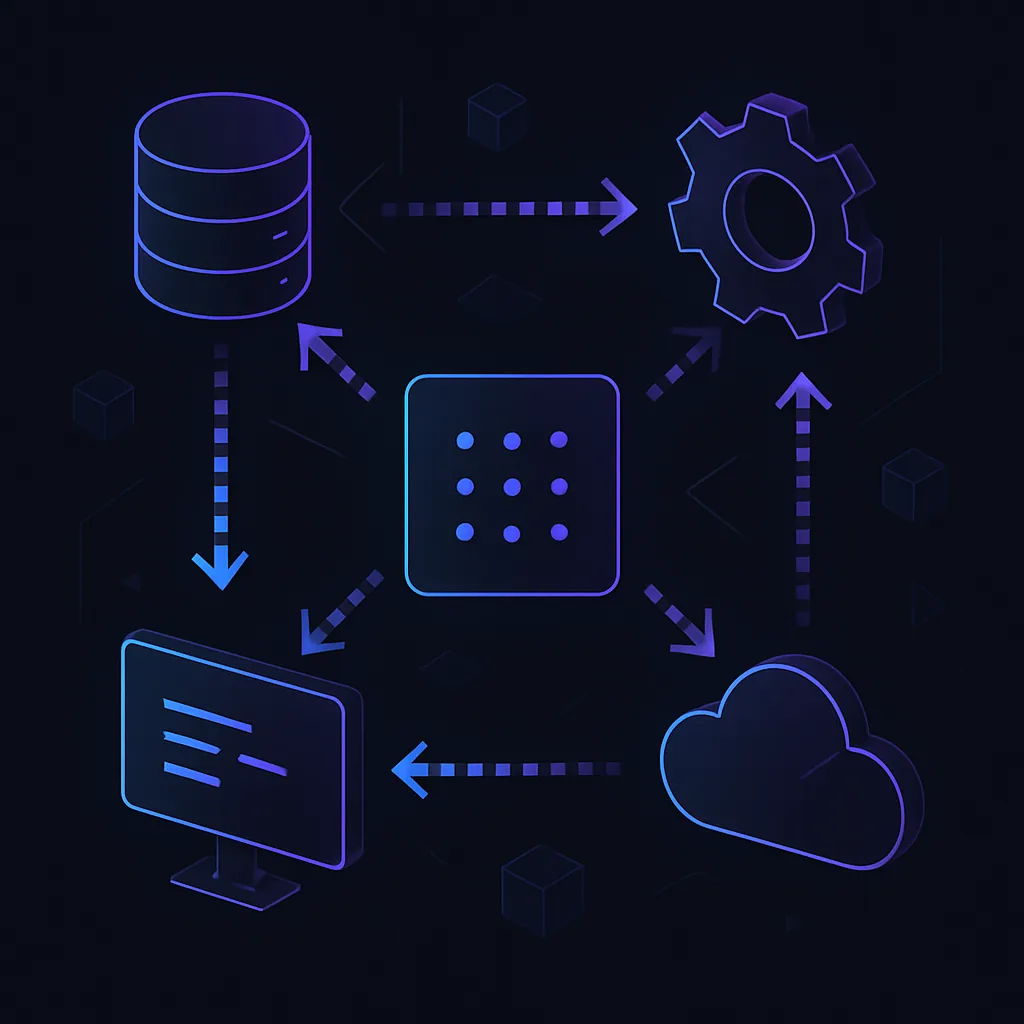
Many companies leverage these streaming techniques to enhance user experiences. For instance, financial services use WebSockets to provide real-time stock updates, while collaborative platforms use SSE for live notifications. Chunked JSON is often employed in data-heavy applications like analytics dashboards, where large datasets need to be processed incrementally.
Common Mistakes Engineers Make
- Ignoring Backpressure: Failing to implement backpressure can lead to resource exhaustion.
- Overusing WebSockets: Not every real-time application needs WebSockets; sometimes SSE is sufficient.
- Neglecting Security: Streaming endpoints can be vulnerable to attacks if not properly secured.
Trade-offs and When NOT to Use This Approach
- SSE vs. WebSockets: SSE is simpler but only supports server-to-client communication. WebSockets are more complex but support bidirectional communication.
- Resource Usage: Streaming can be resource-intensive. Ensure your infrastructure can handle the load.
- Complexity: Implementing streaming adds complexity to your application. Evaluate if the benefits outweigh the costs.
How This Impacts System Design Interviews
Understanding streaming responses can set you apart in system design interviews. It demonstrates your ability to design scalable, real-time systems and your knowledge of modern web technologies. Be prepared to discuss trade-offs and justify your choice of streaming method based on the application's requirements.
Actionable Takeaways
- Evaluate your application's real-time data needs and choose the appropriate streaming method.
- Implement backpressure mechanisms to prevent resource exhaustion.
- Secure your streaming endpoints to protect against potential attacks.
- Consider the trade-offs between SSE and WebSockets based on your use case.
- Practice explaining your streaming architecture in system design interviews.
By leveraging FastAPI's streaming capabilities, you can build responsive, real-time applications that meet the demands of modern users.