Second-Order Thinking: Anticipating Consequences in System Design
In the ever-evolving landscape of software development, the ability to foresee the ripple effects of design decisions is more critical than ever. As we step into 2025 and beyond, the complexity of systems continues to grow, driven by the proliferation of microservices, cloud-native architectures, and AI-driven applications. This complexity necessitates a shift from first-order thinking—where decisions are made based on immediate outcomes—to second-order thinking, which considers the long-term consequences and trade-offs of those decisions.

Why This Topic Matters NOW
The software industry is at a pivotal point where the demand for scalable, resilient, and maintainable systems is at an all-time high. With the increasing adoption of microservices and cloud-native architectures, engineers must anticipate not just the direct outcomes of their design choices but also the indirect effects that may manifest over time. Second-order thinking enables engineers to build systems that are not only functional but also robust against future challenges.
Deep Dive into Concepts
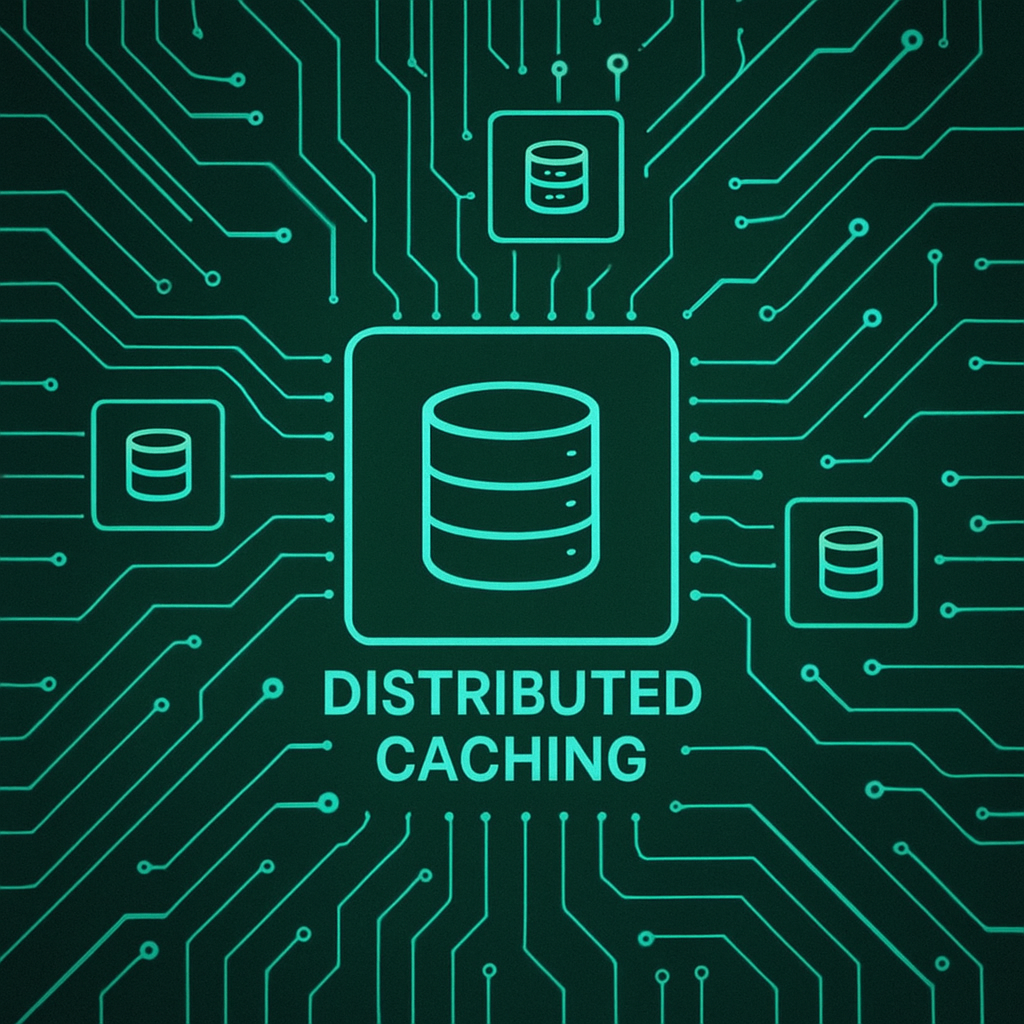
Second-order thinking involves looking beyond the immediate effects of a decision to understand its broader implications. For example, consider a decision to implement a caching layer to improve performance. While the first-order effect is improved response times, second-order thinking prompts us to consider cache invalidation strategies, potential data staleness, and the impact on system consistency.
Example: Caching in Microservices
@Service
public class ProductService {
    private final CacheManager cacheManager;

    public ProductService(CacheManager cacheManager) {
        this.cacheManager = cacheManager;
    }

    public Product getProductById(String productId) {
        return cacheManager.getCache("products").get(productId, Product.class);
    }

    public void updateProduct(Product product) {
        // Update product in database
        cacheManager.getCache("products").put(product.getId(), product);
    }
}
In this example, while caching improves performance, second-order thinking requires us to consider how cache invalidation will be handled when a product is updated. Failure to do so could lead to serving stale data, impacting user experience and system reliability.
Real-World Use Cases and Architecture Patterns
Use Case: Circuit Breaker Pattern
In a microservices architecture, the circuit breaker pattern is often used to prevent cascading failures. While the immediate benefit is increased system resilience, second-order thinking involves considering the impact on user experience when a service is unavailable and how to handle retries or fallbacks gracefully.
Use Case: Event-Driven Architectures
Event-driven architectures offer scalability and decoupling benefits. However, second-order thinking requires us to consider eventual consistency issues, message ordering, and the complexity of debugging asynchronous flows.
Pros, Cons, and Challenges
Pros
- Resilience: Anticipating second-order effects leads to more robust systems.
- Scalability: Better foresight allows for scalable design choices.
- Maintainability: Systems are easier to maintain when long-term impacts are considered.
Cons
- Complexity: Requires more upfront analysis and design effort.
- Overhead: May lead to over-engineering if not balanced properly.
Challenges
- Predicting Outcomes: Accurately predicting second-order effects can be difficult.
- Balancing Trade-offs: Finding the right balance between immediate needs and future impacts.
Best Practices / Recommendations
- Scenario Planning: Regularly conduct scenario planning sessions to explore potential second-order effects.
- Feedback Loops: Implement feedback loops to continuously learn from system behavior and adjust designs accordingly.
- Cross-Functional Collaboration: Engage with cross-functional teams to gain diverse perspectives on potential impacts.
Future Outlook
As systems become more complex, the importance of second-order thinking will only grow. AI and machine learning can aid in predicting second-order effects by analyzing vast amounts of data and identifying patterns that humans might miss. However, the human element of critical thinking and experience will remain irreplaceable.
Common Mistakes Engineers Make
- Ignoring Long-Term Impacts: Focusing solely on immediate outcomes without considering future consequences.
- Over-Engineering: Implementing overly complex solutions in anticipation of unlikely scenarios.
- Lack of Documentation: Failing to document the rationale behind design decisions, making it difficult to understand the reasoning for future changes.
When NOT to Use This Approach
- Simple Systems: For straightforward applications with limited complexity, second-order thinking may introduce unnecessary overhead.
- Rapid Prototyping: In scenarios where speed is critical, such as prototyping, focusing on immediate outcomes may be more beneficial.
How This Impacts System Design Interviews
In system design interviews, demonstrating second-order thinking can set candidates apart. Interviewers look for engineers who can anticipate the broader implications of their design choices and articulate the trade-offs involved. Practicing this approach can enhance problem-solving skills and improve interview performance.
Conclusion
Second-order thinking is an essential skill for modern software engineers. By anticipating the long-term consequences of design decisions, engineers can build systems that are not only functional but also resilient and scalable. As we continue to navigate the complexities of modern architectures, this approach will be invaluable in creating sustainable and robust software solutions.
Key takeaways:
- Consider both immediate and long-term impacts of design decisions.
- Use second-order thinking to enhance system resilience and scalability.
- Balance the need for foresight with the risk of over-engineering.