Remote Work for Software Engineers: Making It Actually Work
The shift to remote work has been one of the most significant changes in the software engineering landscape over the past decade. While the initial transition was driven by necessity, the continued evolution of remote work practices is now a strategic choice for many organizations. As we move into 2025 and beyond, it's crucial for software engineers to understand how to make remote work not just possible, but truly effective.
Why This Topic Matters NOW
In 2025, remote work is no longer a temporary solution but a permanent fixture in the tech industry. Companies have realized the benefits of tapping into a global talent pool, reducing overhead costs, and increasing employee satisfaction. However, the challenges of remote work—such as communication barriers, time zone differences, and maintaining productivity—remain. As software engineers, we must adapt our workflows, tools, and mindsets to thrive in this environment.
Deep Dive into Concepts
Communication and Collaboration
Effective communication is the backbone of successful remote work. Tools like Slack, Microsoft Teams, and Zoom have become indispensable. However, it's not just about the tools; it's about how we use them. Establishing clear communication protocols and regular check-ins can prevent misunderstandings and keep projects on track.
Code Collaboration and Version Control
Platforms like GitHub and GitLab have made remote code collaboration seamless. Using branching strategies like Git Flow can help manage feature development and releases efficiently. Here's a simple example of a branching strategy:
main
|
|-- develop
    |-- feature/awesome-feature
    |-- release/v1.0
System Design for Remote Teams
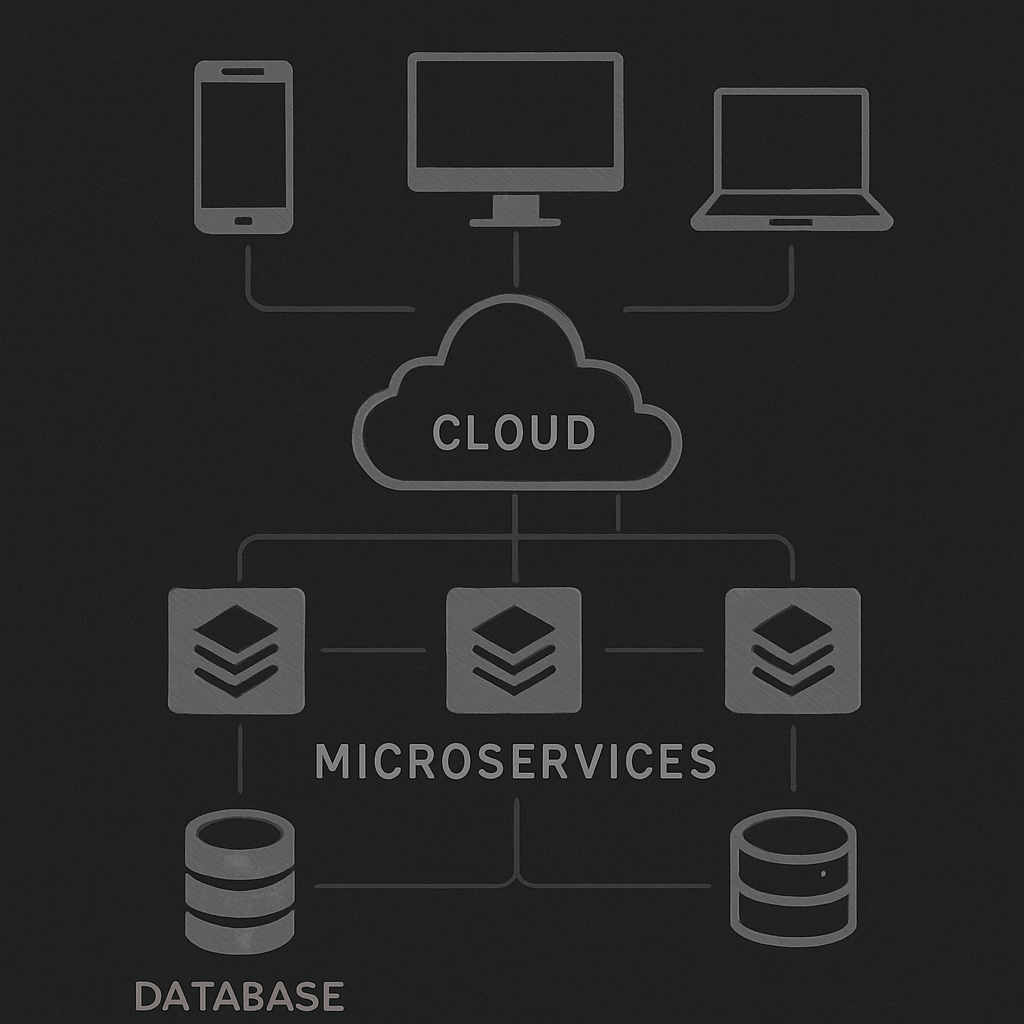
Designing systems with remote teams in mind involves leveraging cloud-based architectures. Microservices, for instance, allow teams to work on independent components without stepping on each other's toes. Here's a basic microservices architecture:
Real-World Use Cases
Case Study: A Cloud-Native Approach
Consider a company that transitioned to a fully remote model. By adopting a cloud-native approach, they utilized AWS Lambda for serverless functions, reducing the need for infrastructure management. This allowed their engineers to focus on writing code rather than maintaining servers.
Pros, Cons, and Challenges
Pros:
- Access to a global talent pool
- Increased flexibility and work-life balance
- Cost savings on office space
Cons:
- Potential for communication breakdowns
- Challenges in building team culture
- Time zone coordination issues
Challenges:
- Ensuring data security and compliance
- Maintaining productivity and accountability
- Providing adequate support and resources
Best Practices / Recommendations
- Invest in the Right Tools: Ensure your team has access to high-quality communication and collaboration tools.
- Establish Clear Protocols: Define communication norms, such as response times and meeting schedules.
- Focus on Outcomes: Shift from time-based to outcome-based performance metrics.
- Foster a Strong Culture: Regular virtual team-building activities can help maintain a sense of community.
Common Mistakes Engineers Make
- Over-reliance on Synchronous Communication: Not everything needs a meeting. Use asynchronous communication effectively.
- Neglecting Documentation: In a remote setup, comprehensive documentation is crucial for onboarding and knowledge sharing.
- Ignoring Time Zone Differences: Failing to consider time zones can lead to burnout and inefficiencies.
When NOT to Use This Approach
Remote work may not be suitable for projects requiring high levels of real-time collaboration or when dealing with sensitive data that mandates on-premises solutions. Additionally, teams that struggle with self-management may find remote work challenging.
How This Impacts System Design Interviews
Remote work has influenced system design interviews by emphasizing cloud-native solutions and distributed systems. Candidates are expected to demonstrate an understanding of designing scalable, resilient architectures that can be managed remotely.
Future Outlook
As technology continues to evolve, the tools and practices for remote work will become even more sophisticated. AI-driven project management tools and virtual reality meetings are on the horizon, promising to further enhance remote collaboration.
Conclusion with Key Takeaways
Remote work for software engineers is here to stay. By embracing the right tools, fostering effective communication, and focusing on outcomes, engineers can not only adapt to but thrive in a remote work environment. As we look to the future, staying agile and open to new technologies will be key to making remote work truly work.
In this blog post, we've explored the intricacies of remote work for software engineers, providing insights and practical advice to navigate this evolving landscape. Whether you're a seasoned remote worker or new to the concept, these strategies can help you succeed in a distributed work environment.