
Redis Streams: A Lightweight Kafka Alternative for Event-Driven Architectures
Redis Streams: Solving the Complexity of Kafka

If you've ever struggled with the complexity of managing a Kafka cluster, you're not alone. Many engineers face challenges with Kafka's operational overhead, especially when dealing with smaller-scale applications or when low latency is a priority. Redis Streams offers a lightweight alternative that can simplify your architecture while still providing robust event streaming capabilities.
Context and Assumptions
This post assumes you're working with:
- Java 21, Spring Boot 3.3
- Redis 7.x
- Microservices architecture
- Event-driven systems with moderate throughput (~1k req/s)
- Single-region deployment
Out of scope: High-throughput systems requiring Kafka's partitioning and replication features.
Why Redis Streams Matters Now
As we move into 2025-2026, the demand for real-time data processing continues to grow. Companies are increasingly looking for solutions that offer the benefits of event-driven architectures without the complexity of traditional message brokers like Kafka. Redis Streams provides a compelling option, especially for teams already using Redis for caching or other purposes.
Step-by-step Walkthrough of Using Redis Streams
- Set Up Redis Streams: Start by configuring Redis Streams in your existing Redis setup. This involves creating a stream and defining consumer groups.
bash
   XADD mystream * sensor-id 1234 temperature 19.8
This command adds an entry to the stream mystream with fields sensor-id and temperature.
- Create Consumer Groups: Define consumer groups to allow multiple consumers to read from the stream concurrently.
bash
   XGROUP CREATE mystream mygroup $ MKSTREAM
This creates a consumer group mygroup for the stream mystream.
- Consume Messages: Use the
XREADGROUPcommand to read messages from the stream.
bash
   XREADGROUP GROUP mygroup consumer1 COUNT 1 STREAMS mystream >
This reads new messages for consumer1 in mygroup.
- Acknowledge Processing: After processing a message, acknowledge it to prevent reprocessing.
bash
   XACK mystream mygroup 1526569495631-0
This acknowledges the message with ID 1526569495631-0.
- Handle Failures Gracefully: Implement retry logic and dead-letter queues to handle message processing failures.
Redis Streams facilitates seamless data flow in event-driven architectures.
Real-world Use Cases or Architecture Patterns
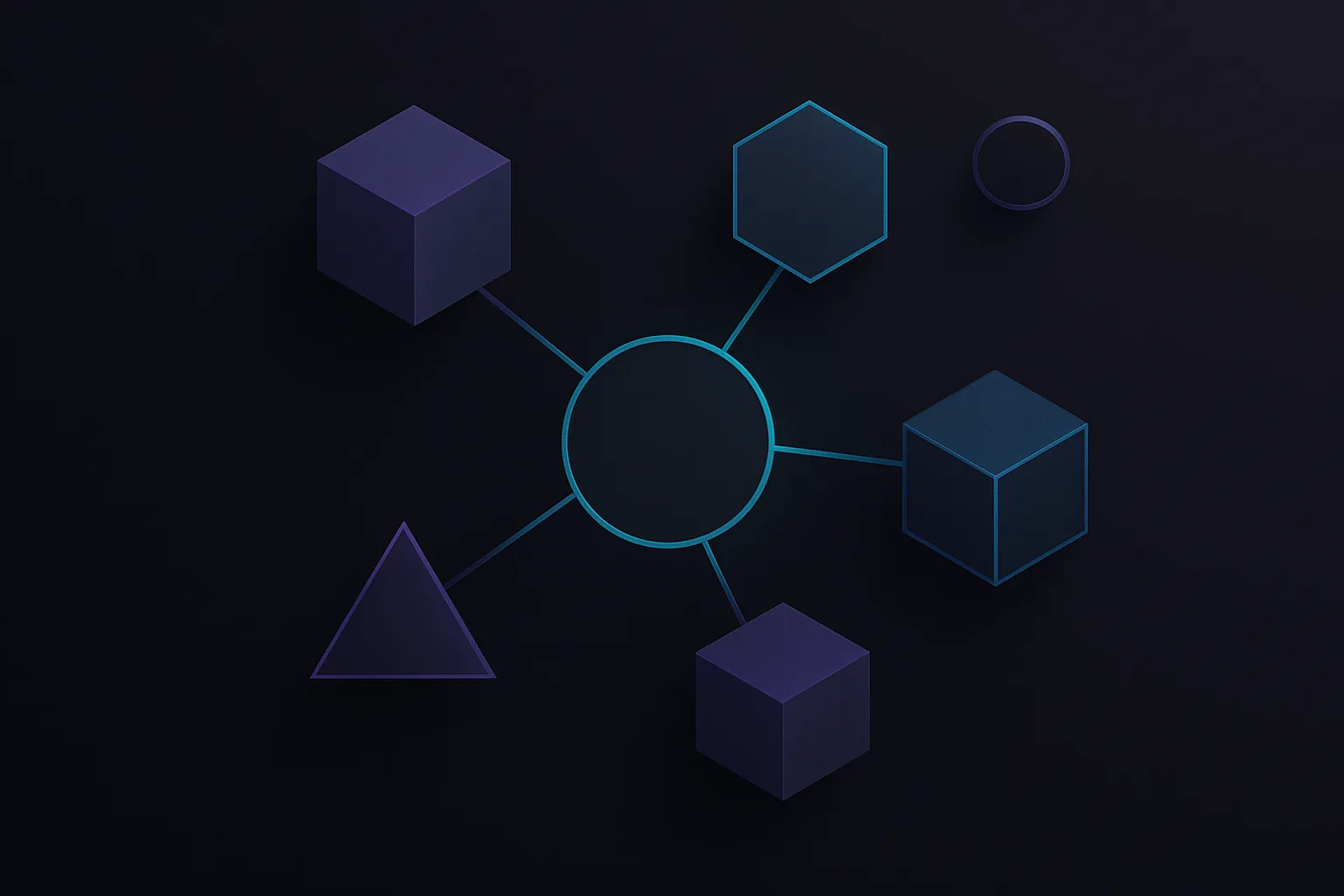
Redis Streams is particularly effective in scenarios where low latency and simplicity are crucial. Companies often use it for:
- Real-time Analytics: Streaming data from IoT devices for immediate processing and insights.
- Microservices Communication: Acting as a central hub for event-driven communication between microservices.
- Event Sourcing: Capturing changes in application state as a sequence of events.
Redis Streams acts as a central hub for microservices communication.
Common Mistakes Engineers Make
- Ignoring Persistence: Redis Streams data is stored in memory, which can lead to data loss if not persisted. Ensure you configure persistence appropriately.
- Overlooking Consumer Group Management: Failing to manage consumer groups can lead to uneven load distribution and processing bottlenecks.
- Neglecting Monitoring: Without proper monitoring, you might miss performance issues or message loss.
Trade-offs and When NOT to Use Redis Streams
While Redis Streams offers simplicity, it comes with trade-offs:
- Limited Scalability: Unlike Kafka, Redis Streams doesn't support partitioning across multiple nodes, which can limit scalability.
- Memory Usage: As an in-memory data structure, Redis Streams can consume significant memory, especially with large volumes of data.
- Lack of Built-in Security: Redis lacks the robust security features of Kafka, such as encryption and authentication.
Consider these factors when deciding whether Redis Streams is the right fit for your application.
How This Impacts System Design Interviews
Understanding Redis Streams can be a valuable asset in system design interviews, especially when discussing event-driven architectures. It demonstrates your ability to choose the right tool for the job and balance complexity with functionality.
Practical Recap
- Evaluate Redis Streams for low-latency, event-driven applications.
- Set up Redis Streams with consumer groups for concurrent processing.
- Implement persistence and monitoring to avoid common pitfalls.
- Consider trade-offs like scalability and memory usage before choosing Redis Streams.
- Use Redis Streams knowledge to enhance your system design interview discussions.