
Orchestrating AI for Complex Tasks with Multi-Agent Systems
The Challenge of Scaling AI for Complex Tasks
Imagine you're running a distributed AI system that suddenly spikes in latency, causing a cascade of failures across your microservices. This isn't just a theoretical problem—it's a reality for many engineers dealing with complex AI tasks. The solution? Multi-agent systems that can orchestrate AI agents to handle these tasks more efficiently.
Context and Assumptions
This post assumes you're working with a tech stack that includes Java 21, Spring Boot 3.3, and Kubernetes, handling around 5k req/s across multiple regions. We're focusing on AI tasks that require coordination among multiple agents, such as autonomous vehicles or large-scale simulations. Out of scope are single-agent systems or non-distributed environments.
Why Multi-Agent Systems Matter Now
As we move into 2025-2026, the demand for AI systems that can handle complex, distributed tasks is skyrocketing. Multi-agent systems offer a way to distribute workloads, improve fault tolerance, and enhance scalability. With advancements in AI and cloud technologies, orchestrating multiple agents has become more feasible and necessary.
Step-by-step Walkthrough of the Approach

- Define the Agents: Start by identifying the roles and responsibilities of each agent. For instance, in an autonomous vehicle system, you might have agents for navigation, obstacle detection, and communication.
java
   public class NavigationAgent extends Agent {
       @Override
       public void performTask() {
           // Logic for navigation
       }
   }
- Establish Communication Protocols: Use a message broker like Kafka to facilitate communication between agents. This ensures that agents can share data and coordinate actions effectively.
yaml
   spring:
     kafka:
       bootstrap-servers: localhost:9092
- Implement Coordination Logic: Use a coordination framework like Apache Zookeeper to manage the state and coordination of agents. This helps in maintaining consistency and handling failures.
java
   public class CoordinationService {
       private ZooKeeper zooKeeper;
       // Coordination logic
   }
- Deploy and Monitor: Use Kubernetes to deploy your agents as microservices. Implement monitoring tools like Prometheus to track performance and identify bottlenecks.
yaml
   apiVersion: apps/v1
   kind: Deployment
   metadata:
     name: navigation-agent
Real-world Use Cases or Architecture Patterns
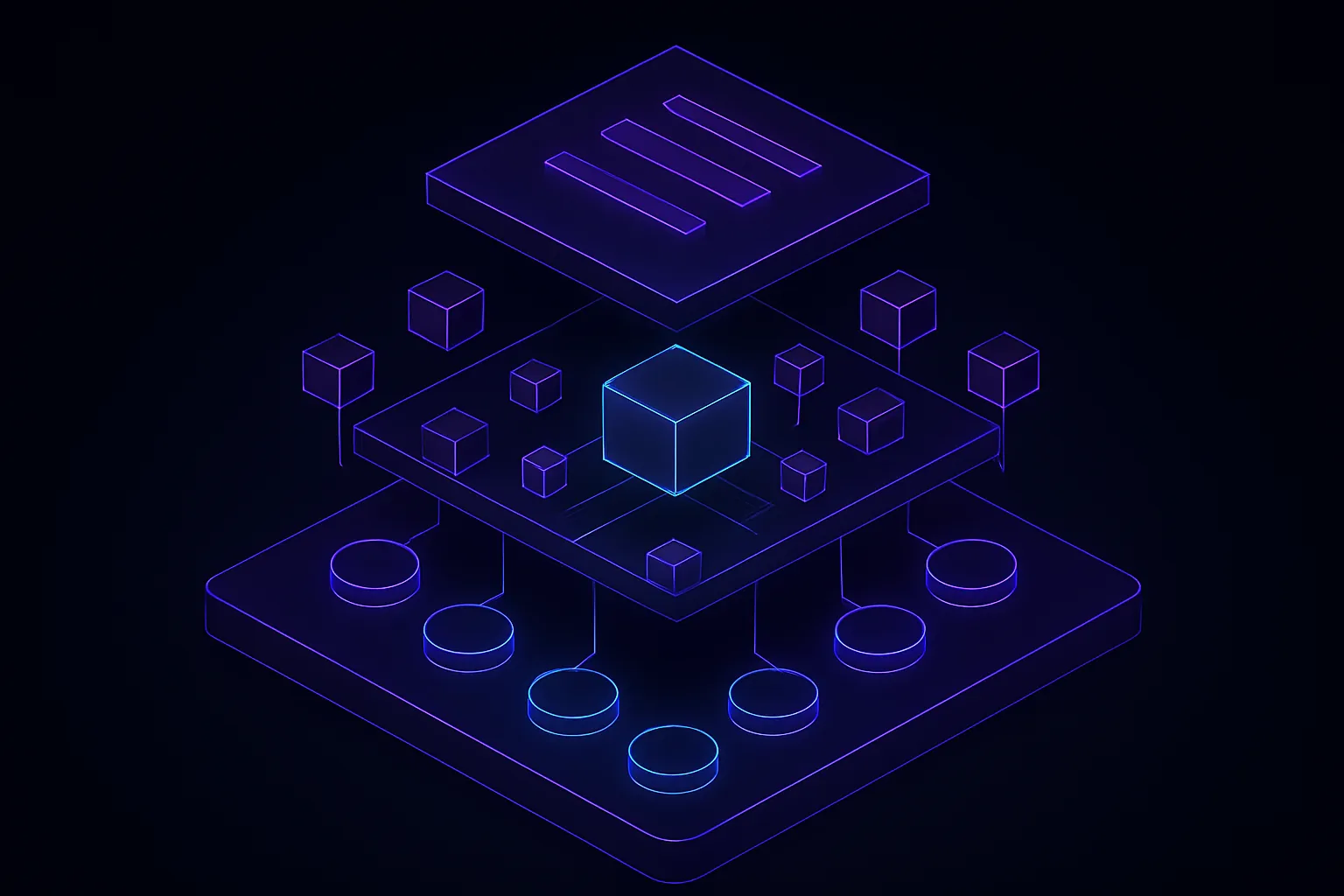
Companies like Uber and Amazon are leveraging multi-agent systems for tasks like route optimization and warehouse automation. These systems often use a layered architecture where agents operate at different levels of abstraction, from low-level data processing to high-level decision-making.
Common Mistakes Engineers Make
- Overcomplicating Agent Roles: Engineers often make the mistake of assigning too many responsibilities to a single agent, leading to bottlenecks.
- Ignoring Fault Tolerance: Without proper fault tolerance, a single agent failure can bring down the entire system.
- Poor Communication Design: Inefficient communication protocols can lead to high latency and data inconsistency.
Trade-offs and When NOT to Use This Approach
While multi-agent systems offer scalability and flexibility, they come with increased complexity and overhead. If your task can be efficiently handled by a single agent or a simpler system, the added complexity of a multi-agent system may not be justified.
How This Impacts System Design Interviews
Understanding multi-agent systems can give you an edge in system design interviews, especially for roles involving AI and distributed systems. Interviewers often look for candidates who can design scalable, fault-tolerant systems.
Practical Recap
- Identify Agent Roles: Clearly define what each agent is responsible for.
- Use Efficient Communication: Implement robust communication protocols using tools like Kafka.
- Implement Coordination: Use frameworks like Zookeeper for agent coordination.
- Monitor Performance: Deploy agents with Kubernetes and monitor with Prometheus.
- Evaluate Complexity: Consider whether the complexity of a multi-agent system is justified for your task.