Open Source Contribution as Interview Preparation: What Recruiters Notice
In the competitive world of software engineering, standing out during interviews is crucial. While traditional preparation methods like coding challenges and mock interviews are effective, open source contributions have emerged as a powerful tool for interview preparation. But what exactly do recruiters notice about your open source contributions, and how can they impact your system design interviews?
Why This Topic Matters NOW (2025–2026 Context)
As we move further into the mid-2020s, the software industry continues to evolve rapidly. The demand for engineers who can demonstrate real-world problem-solving skills and collaborative experience is at an all-time high. Open source projects provide a unique platform to showcase these skills. With the rise of remote work and global collaboration, contributing to open source has become more accessible and relevant than ever.
Deep Dive into Concepts
What Recruiters Look For
Recruiters are increasingly valuing open source contributions for several reasons:
-
Real-World Problem Solving: Unlike coding challenges, open source projects involve solving real-world problems. Recruiters look for contributions that demonstrate your ability to tackle complex issues.
-
Collaboration and Communication: Open source projects require collaboration with other developers. Recruiters notice how you communicate in pull requests, issue discussions, and code reviews.
-
Code Quality and Best Practices: Your contributions reflect your coding standards and adherence to best practices. Recruiters assess your ability to write clean, maintainable code.
-
Technical Depth and Breadth: Contributions to diverse projects can showcase your expertise in various technologies and domains.
Real-World Use Cases
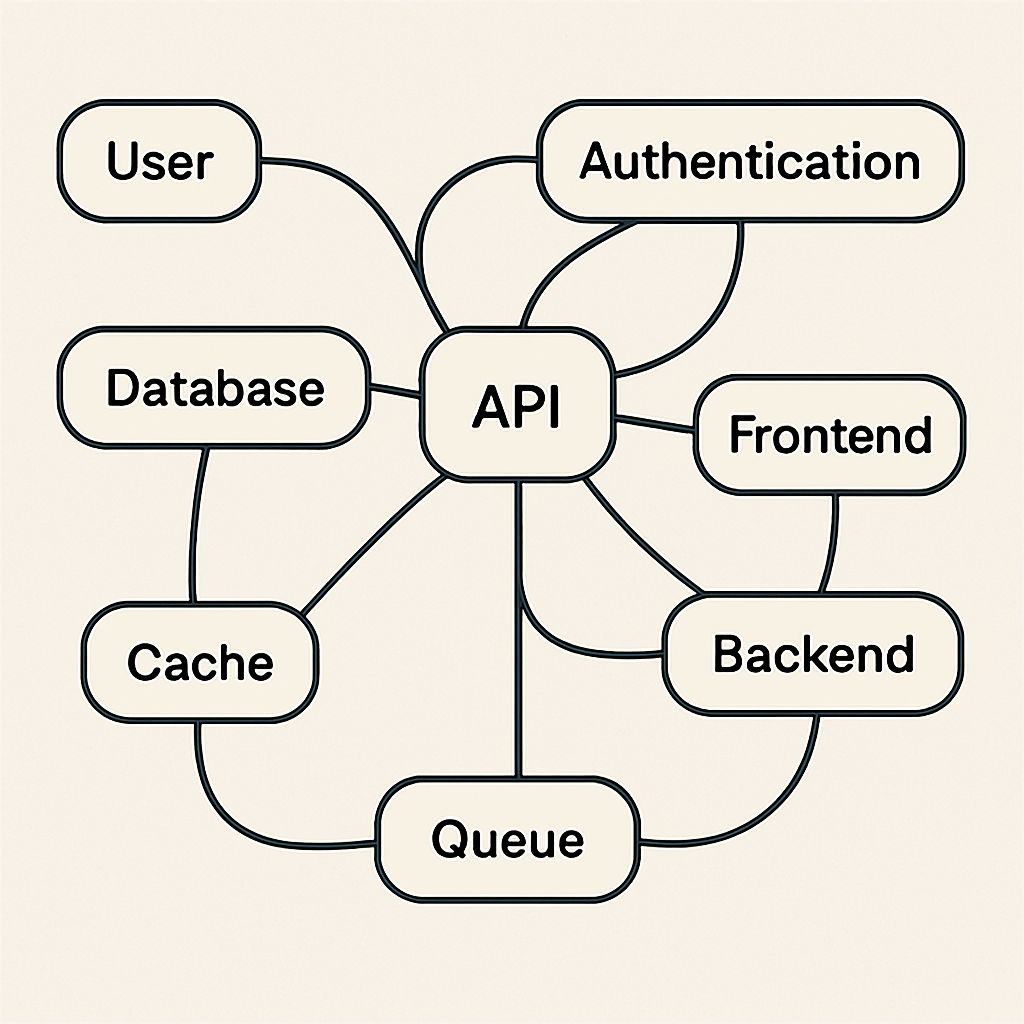
Consider a scenario where you contribute to a Spring Boot microservices project. Your contributions might involve optimizing service communication or implementing a new feature. Here's a simplified example of a microservice architecture you might work on:
In this architecture, your contributions could include improving the API Gateway's routing logic or enhancing the Inventory Service's scalability.
Pros, Cons, and Challenges
Pros:
- Visibility: Your work is publicly visible, allowing recruiters to see your skills firsthand.
- Networking: Engaging with the open source community can lead to valuable connections.
- Learning: Exposure to different codebases and practices enhances your learning.
Cons:
- Time-Consuming: Meaningful contributions require significant time and effort.
- Overwhelming: Navigating large codebases can be daunting for newcomers.
Challenges:
- Finding the Right Project: Identifying projects that align with your skills and interests can be challenging.
- Maintaining Consistency: Regular contributions are necessary to build a strong portfolio.
Best Practices / Recommendations
- Start Small: Begin with small issues or documentation improvements to familiarize yourself with the project.
- Engage with the Community: Participate in discussions and seek feedback to improve your contributions.
- Focus on Quality: Prioritize writing clean, well-documented code over quantity of contributions.
- Leverage Your Strengths: Contribute to projects that align with your expertise and career goals.
Common Mistakes Engineers Make
- Ignoring Documentation: Overlooking the importance of documentation can lead to misunderstandings and poor communication.
- Lack of Consistency: Sporadic contributions may not leave a lasting impression on recruiters.
- Overcommitting: Taking on too many tasks can lead to burnout and incomplete contributions.
When NOT to Use This Approach
- Immediate Job Search: If you're in urgent need of a job, open source contributions may not yield immediate results.
- Lack of Interest: Contributing without genuine interest can lead to disengagement and low-quality work.
How This Impacts System Design Interviews
Open source contributions can significantly impact system design interviews. They provide concrete examples of your ability to design and implement scalable systems. Recruiters may ask you to discuss your contributions, focusing on architectural decisions and trade-offs.
Example Discussion Points:
- Scalability: How did you ensure the system could handle increased load?
- Resilience: What measures did you implement to enhance fault tolerance?
- Performance: How did you optimize service communication for better performance?
Future Outlook
As the software industry continues to prioritize collaboration and real-world problem-solving, open source contributions will remain a valuable asset for interview preparation. The trend towards open collaboration is likely to grow, making these contributions even more relevant in the future.
Conclusion with Key Takeaways
Open source contributions offer a unique opportunity to prepare for interviews by showcasing your technical skills, collaboration abilities, and problem-solving prowess. By strategically selecting projects and maintaining consistent, high-quality contributions, you can make a lasting impression on recruiters and enhance your chances of success in system design interviews.
Incorporate open source contributions into your interview preparation strategy, and you'll not only stand out to recruiters but also grow as a software engineer.