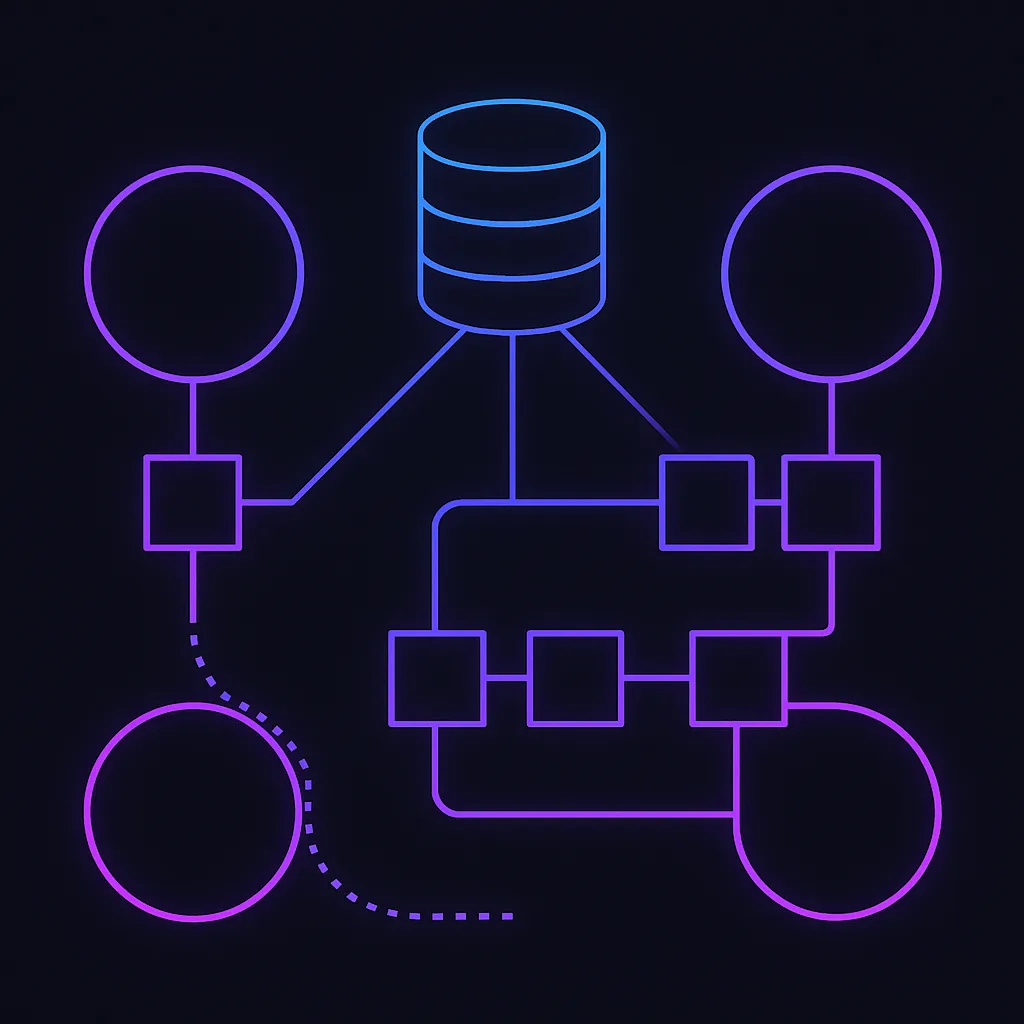
Navigating Distributed Transactions: The Two-Phase Commit Problem and the Saga Pattern
In the ever-evolving landscape of distributed systems, ensuring data consistency across multiple services is a formidable challenge. As microservices architectures become the norm, the need for robust transaction management strategies has never been more critical. Enter the Two-Phase Commit (2PC) Problem and the Saga Pattern—two approaches that offer solutions to distributed transaction management, each with its own set of trade-offs.
Why This Topic Matters Now
As we move into 2025 and beyond, the complexity of distributed systems continues to grow. With the proliferation of cloud-native applications and the increasing demand for scalability and resilience, understanding how to manage transactions across distributed services is essential. The Two-Phase Commit Problem and the Saga Pattern are at the forefront of this challenge, offering insights into how we can maintain data integrity without sacrificing performance.
Deep Dive into Concepts
The Two-Phase Commit Problem
The Two-Phase Commit protocol is a classic approach to achieving atomic transactions across distributed systems. It involves two main phases: the prepare phase and the commit phase.
- Prepare Phase: The coordinator node asks all participating nodes if they can commit the transaction. Each node responds with a "yes" or "no."
- Commit Phase: If all nodes agree, the coordinator sends a commit message. If any node disagrees, a rollback is initiated.
Example
Consider a banking system where a transaction involves debiting one account and crediting another. Using 2PC, both operations must succeed or fail together.
public class TwoPhaseCommit {
    public void executeTransaction() {
        // Prepare phase
        boolean canCommit = prepareTransaction();

        // Commit phase
        if (canCommit) {
            commitTransaction();
        } else {
            rollbackTransaction();
        }
    }

    private boolean prepareTransaction() {
        // Logic to prepare transaction
        return true; // Assume all nodes agree
    }

    private void commitTransaction() {
        // Logic to commit transaction
    }

    private void rollbackTransaction() {
        // Logic to rollback transaction
    }
}
The Saga Pattern
The Saga Pattern offers an alternative by breaking a transaction into a series of smaller, independent transactions. Each step in the saga has a corresponding compensating action to undo the work if necessary.
Example
In an e-commerce application, a saga might involve placing an order, reserving inventory, and processing payment. If payment fails, the saga compensates by canceling the order and releasing the inventory.
public class SagaPattern {
    public void executeSaga() {
        try {
            placeOrder();
            reserveInventory();
            processPayment();
        } catch (Exception e) {
            compensate();
        }
    }

    private void placeOrder() {
        // Logic to place order
    }

    private void reserveInventory() {
        // Logic to reserve inventory
    }

    private void processPayment() {
        // Logic to process payment
    }

    private void compensate() {
        // Logic to compensate for failure
    }
}
Real-World Use Cases
Two-Phase Commit
- Financial Services: Ensuring atomicity in transactions across multiple banking systems.
- Distributed Databases: Coordinating commits across shards or replicas.
Saga Pattern
- E-commerce: Managing complex order fulfillment processes.
- Travel Booking: Coordinating bookings across flights, hotels, and car rentals.
Pros, Cons, and Challenges
Two-Phase Commit
Pros:
- Strong consistency guarantees.
- Simplicity in implementation for small-scale systems.
Cons:
- Performance bottlenecks due to synchronous operations.
- Single point of failure at the coordinator.
Saga Pattern
Pros:
- Asynchronous and scalable.
- Resilience through compensating transactions.
Cons:
- Complexity in designing compensating actions.
- Potential for eventual consistency issues.
Best Practices / Recommendations
- Use 2PC when strong consistency is paramount and the system can tolerate potential bottlenecks.
- Adopt the Saga Pattern for systems requiring high availability and scalability, where eventual consistency is acceptable.
- Implement Idempotency in compensating actions to handle retries gracefully.
Future Outlook
As distributed systems continue to evolve, hybrid approaches combining elements of both 2PC and the Saga Pattern may emerge. Advances in AI and machine learning could also play a role in optimizing transaction management strategies.
Common Mistakes Engineers Make
- Overusing 2PC: Applying 2PC in high-latency environments can degrade performance.
- Ignoring Compensation: Failing to design effective compensating actions in the Saga Pattern can lead to data inconsistencies.
When NOT to Use This Approach
- 2PC: Avoid in systems where high throughput and low latency are critical.
- Saga Pattern: Avoid when strong consistency is non-negotiable.
How This Impacts System Design Interviews
Understanding these patterns is crucial for system design interviews, especially for roles focused on distributed systems. Candidates should be prepared to discuss trade-offs and justify their choice of transaction management strategy.
Conclusion
The Two-Phase Commit Problem and the Saga Pattern are essential tools in the system designer's toolkit. By understanding their strengths and limitations, engineers can make informed decisions that align with their system's requirements. As we look to the future, these patterns will continue to shape the way we build resilient, scalable distributed systems.
In conclusion, mastering these patterns not only enhances your technical acumen but also prepares you for the challenges of modern system design.