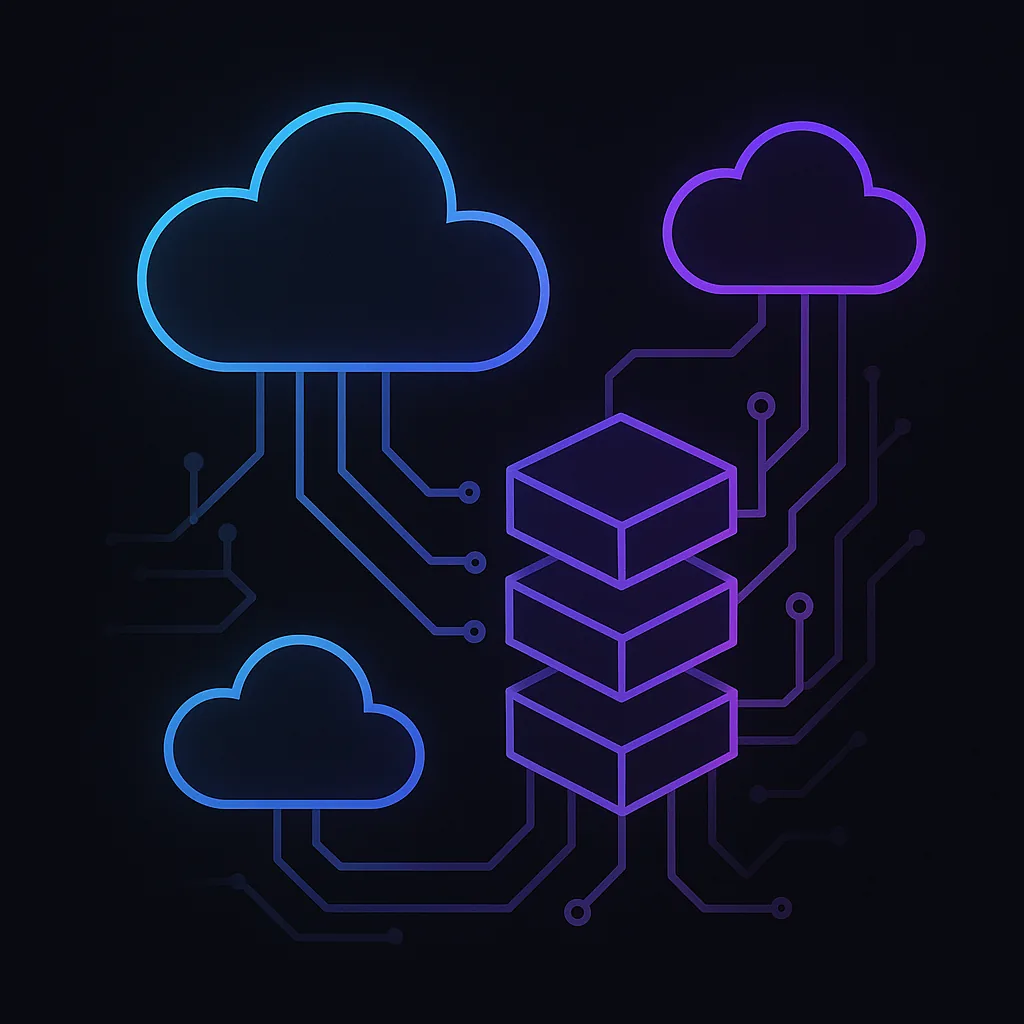
Multi-Cloud Architecture: Benefits, Pitfalls, and Reality Check
In the ever-evolving landscape of cloud computing, the concept of multi-cloud architecture has emerged as a compelling strategy for organizations seeking to leverage the strengths of multiple cloud providers. As we step into 2025 and beyond, the multi-cloud approach is not just a trend but a necessity for businesses aiming to enhance resilience, optimize costs, and avoid vendor lock-in. However, like any architectural decision, it comes with its own set of challenges and trade-offs.
Why Multi-Cloud Matters Now
The shift towards multi-cloud architecture is driven by several factors. First, the increasing complexity of applications and the need for global reach demand a more flexible and scalable infrastructure. Second, regulatory requirements and data sovereignty laws often necessitate the use of multiple cloud providers. Lastly, the competitive landscape pushes companies to innovate faster, and a multi-cloud strategy can provide the agility needed to stay ahead.
Deep Dive into Multi-Cloud Concepts
At its core, multi-cloud architecture involves using services from multiple cloud providers, such as AWS, Azure, and Google Cloud, to build and deploy applications. This approach allows organizations to choose the best services from each provider, optimizing for performance, cost, and compliance.
Example: A Multi-Cloud Microservices Architecture
Consider a microservices-based application where different services are hosted on different cloud platforms. For instance, a payment processing service might run on AWS for its robust security features, while a machine learning service could leverage Google's AI capabilities.
Real-World Use Cases and Architecture Patterns
Use Case: E-commerce Platform
An e-commerce platform might use a multi-cloud strategy to ensure high availability and disaster recovery. By distributing services across multiple clouds, the platform can continue to operate even if one provider experiences an outage.
Architecture Pattern: Hybrid Multi-Cloud
In a hybrid multi-cloud setup, on-premises infrastructure is integrated with multiple cloud environments. This pattern is particularly useful for industries with strict compliance requirements, allowing sensitive data to remain on-premises while leveraging cloud scalability.
Pros, Cons, and Challenges
Benefits
- Resilience and Redundancy: By spreading workloads across multiple clouds, organizations can achieve higher availability and fault tolerance.
- Cost Optimization: Different providers offer varying pricing models, allowing businesses to optimize costs by selecting the most economical options for specific services.
- Avoiding Vendor Lock-In: A multi-cloud strategy reduces dependency on a single provider, offering greater flexibility and bargaining power.
Pitfalls
- Complexity: Managing multiple cloud environments can be complex, requiring sophisticated orchestration and monitoring tools.
- Interoperability Issues: Ensuring seamless integration between different cloud services can be challenging.
- Security Risks: A broader attack surface and varying security models across providers can increase vulnerability.
Common Mistakes Engineers Make
- Overlooking Data Transfer Costs: Engineers often underestimate the costs associated with data transfer between clouds, leading to unexpected expenses.
- Ignoring Compliance Requirements: Failing to account for data residency and compliance regulations can result in legal challenges.
- Inadequate Monitoring: Without comprehensive monitoring, identifying and resolving issues across multiple clouds becomes difficult.
When NOT to Use This Approach
- Small-Scale Applications: For smaller applications with limited scalability needs, the complexity of a multi-cloud setup may outweigh the benefits.
- Tight Budgets: Organizations with constrained budgets might find the cost of managing multiple clouds prohibitive.
How This Impacts System Design Interviews
In system design interviews, understanding multi-cloud architecture can set candidates apart. Interviewers often look for candidates who can design scalable, resilient systems. Demonstrating knowledge of multi-cloud strategies shows an ability to think beyond single-provider solutions and consider broader architectural implications.
Best Practices and Recommendations
- Adopt a Cloud-Agnostic Approach: Design applications to be cloud-agnostic, minimizing dependencies on specific provider features.
- Invest in Automation: Use Infrastructure as Code (IaC) tools like Terraform to automate deployments across multiple clouds.
- Implement Robust Monitoring: Utilize centralized monitoring solutions to gain visibility into all cloud environments.
Future Outlook
As cloud technologies continue to evolve, the multi-cloud approach will become increasingly sophisticated. Advances in AI and machine learning will enable more intelligent orchestration and optimization of multi-cloud environments. Additionally, emerging standards and interoperability frameworks will simplify integration challenges.
Conclusion: Key Takeaways
Multi-cloud architecture offers significant benefits in terms of resilience, cost optimization, and flexibility. However, it also introduces complexity and requires careful planning and execution. By understanding the trade-offs and following best practices, organizations can successfully navigate the multi-cloud landscape and harness its full potential.
In the rapidly changing world of cloud computing, staying informed and adaptable is crucial. As we move forward, the ability to effectively leverage multi-cloud strategies will be a key differentiator for successful organizations.