Microservices Logging: Correlation IDs and Centralized Logs
In the fast-paced world of microservices, where applications are composed of numerous independent services, effective logging is not just a luxury—it's a necessity. As systems grow in complexity, the ability to trace requests across multiple services becomes critical for debugging and performance monitoring. This is where correlation IDs and centralized logging come into play.
Why This Topic Matters Now
As we move into 2025 and beyond, the adoption of microservices continues to accelerate. Organizations are increasingly relying on distributed architectures to achieve scalability and resilience. However, this shift brings new challenges in observability and troubleshooting. Traditional logging methods fall short in these environments, making correlation IDs and centralized logging indispensable tools for modern software engineers.
Deep Dive into Concepts
Correlation IDs
A correlation ID is a unique identifier assigned to a request as it traverses through various microservices. This ID allows engineers to trace the entire journey of a request, making it easier to diagnose issues and understand system behavior.
Example in Java/Spring Boot:
import org.slf4j.MDC;

public class CorrelationIdFilter extends OncePerRequestFilter {

    @Override
    protected void doFilterInternal(HttpServletRequest request, HttpServletResponse response, FilterChain filterChain)
            throws ServletException, IOException {
        String correlationId = request.getHeader("X-Correlation-ID");
        if (correlationId == null) {
            correlationId = UUID.randomUUID().toString();
        }
        MDC.put("correlationId", correlationId);
        response.setHeader("X-Correlation-ID", correlationId);
        try {
            filterChain.doFilter(request, response);
        } finally {
            MDC.remove("correlationId");
        }
    }
}
Centralized Logging
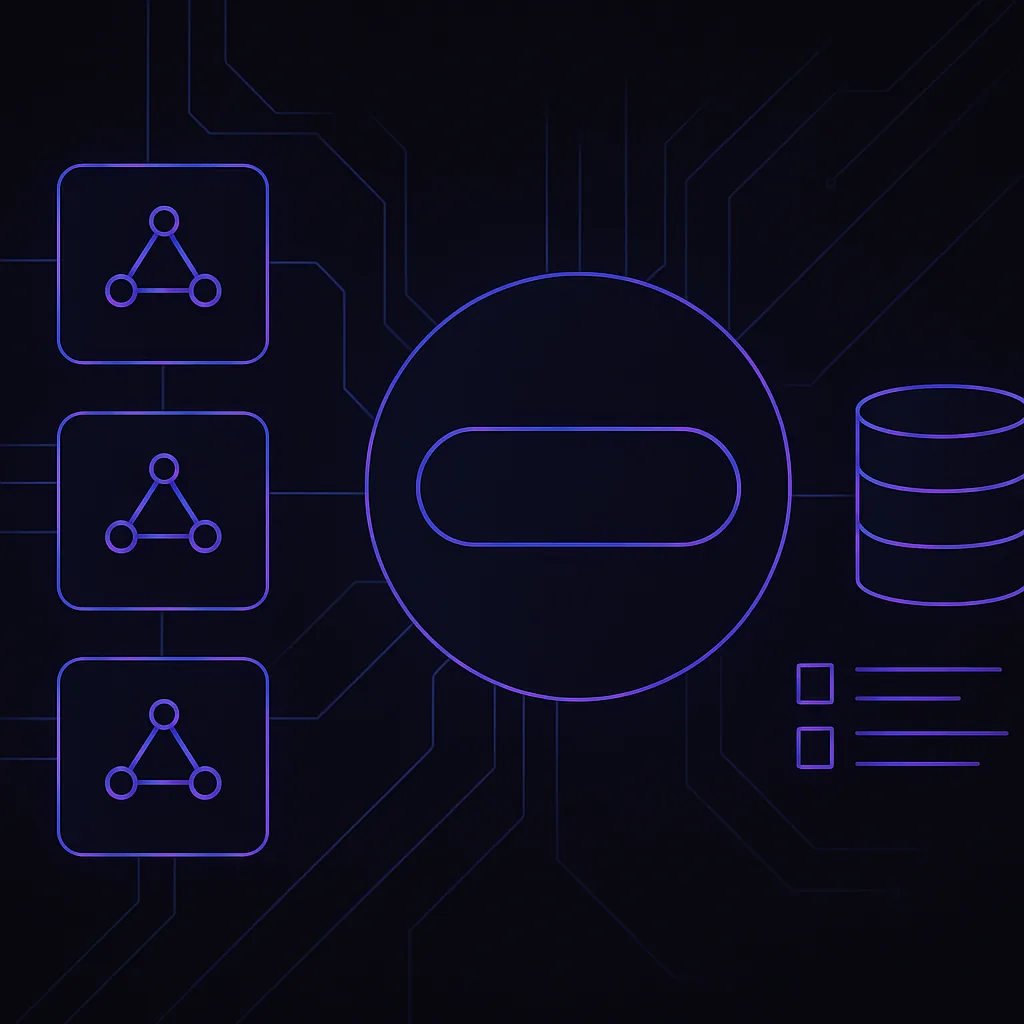
Centralized logging involves aggregating logs from various services into a single location. This approach simplifies log management and enhances the ability to perform comprehensive analysis.
Architecture Pattern:
Real-World Use Cases
Use Case: E-commerce Platform
Consider an e-commerce platform with multiple services such as inventory, payment, and shipping. When a customer places an order, the request flows through these services. By using correlation IDs, engineers can trace the order's journey, ensuring each service processes it correctly. Centralized logging allows for quick identification of bottlenecks or failures.
Implementation in Companies
Many companies implement centralized logging using tools like ELK Stack (Elasticsearch, Logstash, Kibana) or cloud-based solutions like AWS CloudWatch. These tools provide powerful querying and visualization capabilities, making it easier to monitor system health.
Pros, Cons, and Challenges
Pros
- Improved Traceability: Correlation IDs provide a clear path of request flow.
- Enhanced Monitoring: Centralized logs offer a holistic view of system performance.
- Faster Debugging: Engineers can quickly pinpoint issues across services.
Cons
- Overhead: Implementing correlation IDs and centralized logging can introduce additional complexity.
- Cost: Centralized logging solutions may incur significant costs, especially at scale.
Challenges
- Data Volume: Managing large volumes of log data can be challenging.
- Security: Ensuring log data is secure and compliant with regulations is critical.
Best Practices / Recommendations
- Standardize Correlation ID Usage: Ensure all services consistently propagate correlation IDs.
- Choose the Right Tools: Evaluate logging solutions based on your specific needs and budget.
- Implement Log Retention Policies: Manage storage costs by defining clear retention policies.
- Secure Your Logs: Use encryption and access controls to protect sensitive log data.
Future Outlook
As microservices architectures continue to evolve, the importance of effective logging will only grow. Advances in AI and machine learning may offer new ways to analyze log data, providing deeper insights and predictive capabilities.
Common Mistakes Engineers Make
- Ignoring Correlation IDs: Failing to implement correlation IDs can lead to fragmented logs and difficult debugging.
- Overlooking Security: Neglecting log security can expose sensitive information.
When NOT to Use This Approach
- Small Systems: For simple applications with few services, the overhead of correlation IDs and centralized logging may not be justified.
- Budget Constraints: If cost is a major concern, consider lightweight logging solutions.
How This Impacts System Design Interviews
Understanding logging strategies is crucial for system design interviews. Candidates should be prepared to discuss how they would implement logging in a microservices architecture, including the use of correlation IDs and centralized logging.
Conclusion
In conclusion, correlation IDs and centralized logging are vital components of a robust microservices architecture. By implementing these practices, engineers can enhance system observability, streamline debugging, and ensure reliable performance. As the landscape of software development continues to evolve, staying ahead with effective logging strategies will be key to success.