Message Queue Patterns: When to Use Dead Letter Queues
In the ever-evolving landscape of distributed systems, ensuring reliable message processing is paramount. As we step into 2025, the complexity of microservices architectures continues to grow, making robust message handling mechanisms more critical than ever. One such mechanism is the Dead Letter Queue (DLQ), a pattern that addresses the challenges of message processing failures. In this post, we'll delve into the intricacies of DLQs, exploring when and how to use them effectively.
Why This Topic Matters Now
As organizations increasingly adopt microservices and event-driven architectures, the volume and complexity of inter-service communication have skyrocketed. With this shift, the need for resilient message processing has become a top priority. Dead Letter Queues offer a safety net for handling messages that cannot be processed successfully, preventing them from clogging the system and allowing for better error handling and debugging.
Understanding Dead Letter Queues
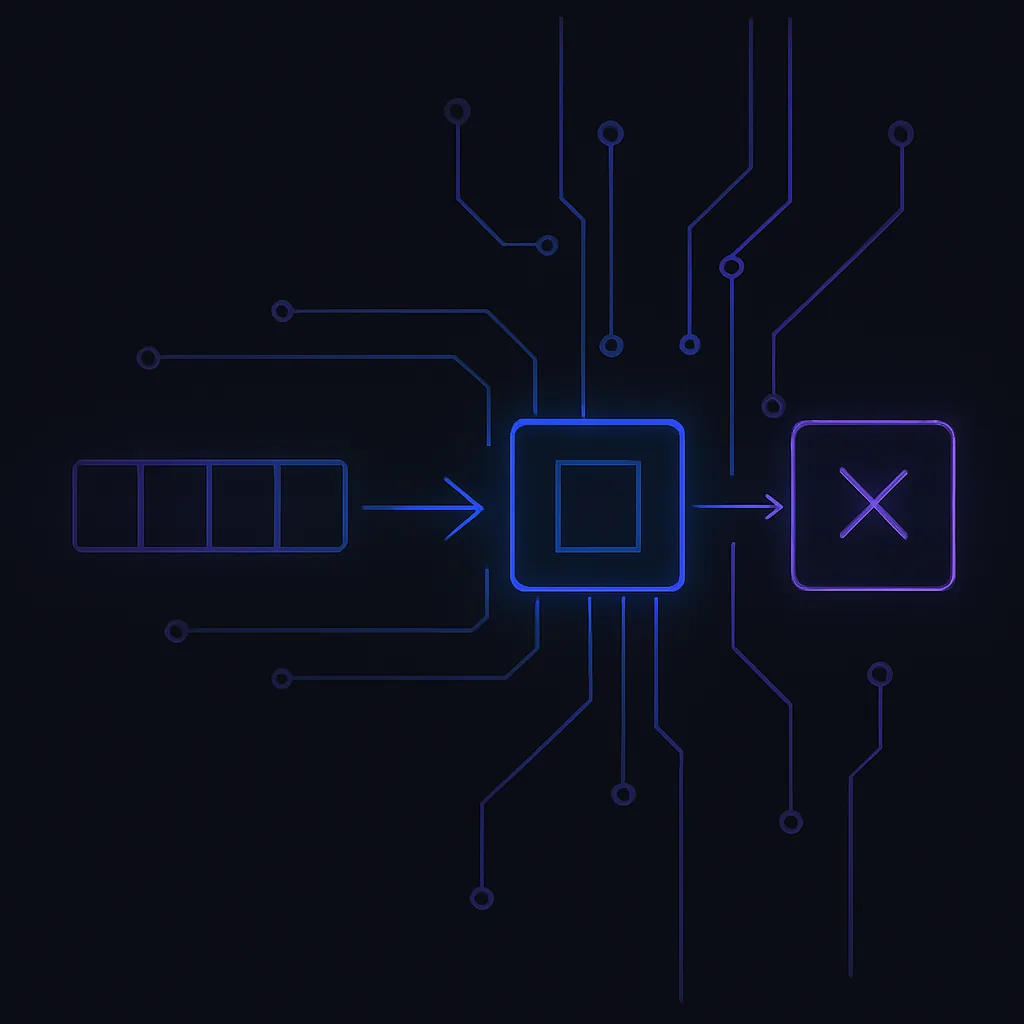
A Dead Letter Queue is a secondary queue where messages that cannot be processed successfully are sent. This can occur due to various reasons such as message format errors, processing logic failures, or timeouts. By isolating these problematic messages, DLQs help maintain the health of the primary message queue and provide a mechanism for later analysis and reprocessing.
Example: Implementing DLQs in Java with Spring Boot
Let's consider a simple example using Java and Spring Boot with Apache Kafka as the message broker. Here's how you might configure a DLQ:
import org.apache.kafka.clients.consumer.ConsumerConfig;
import org.apache.kafka.clients.consumer.KafkaConsumer;
import org.apache.kafka.common.serialization.StringDeserializer;
import org.springframework.kafka.annotation.KafkaListener;
import org.springframework.kafka.core.KafkaTemplate;
import org.springframework.stereotype.Service;

import java.util.HashMap;
import java.util.Map;

@Service
public class MessageProcessor {

    private final KafkaTemplate<String, String> kafkaTemplate;

    public MessageProcessor(KafkaTemplate<String, String> kafkaTemplate) {
        this.kafkaTemplate = kafkaTemplate;
    }

    @KafkaListener(topics = "main-topic", groupId = "group_id")
    public void listen(String message) {
        try {
            // Process the message
        } catch (Exception e) {
            // Send to DLQ
            kafkaTemplate.send("dead-letter-topic", message);
        }
    }

    public Map<String, Object> consumerConfigs() {
        Map<String, Object> props = new HashMap<>();
        props.put(ConsumerConfig.BOOTSTRAP_SERVERS_CONFIG, "localhost:9092");
        props.put(ConsumerConfig.KEY_DESERIALIZER_CLASS_CONFIG, StringDeserializer.class);
        props.put(ConsumerConfig.VALUE_DESERIALIZER_CLASS_CONFIG, StringDeserializer.class);
        return props;
    }
}
Real-World Use Cases and Architecture Patterns
Use Case: E-commerce Order Processing
In an e-commerce platform, order processing involves multiple steps such as payment processing, inventory check, and shipment scheduling. If a message related to payment processing fails due to a network issue or a third-party service outage, it can be redirected to a DLQ. This ensures that the order processing pipeline remains unblocked while the failed message can be retried or analyzed later.
Pros, Cons, and Challenges
Pros
- Isolation of Failures: DLQs prevent failed messages from affecting the main processing flow.
- Improved Debugging: They provide a centralized location for analyzing failed messages.
- Flexibility: Allows for custom handling strategies for different types of failures.
Cons
- Complexity: Introducing DLQs adds complexity to the system architecture.
- Resource Overhead: Maintaining additional queues requires more resources.
- Potential for Message Loss: If not monitored properly, messages in DLQs can be overlooked.
Challenges
- Monitoring and Alerting: Effective monitoring is crucial to ensure that messages in DLQs are addressed promptly.
- Reprocessing Logic: Developing robust reprocessing logic can be challenging, especially in systems with complex dependencies.
Best Practices and Recommendations
- Automate Monitoring: Use tools like Prometheus and Grafana to monitor DLQ metrics and set up alerts for anomalies.
- Implement Retry Mechanisms: Before sending messages to a DLQ, implement retry mechanisms to handle transient failures.
- Regularly Review DLQs: Establish a process for regularly reviewing and processing messages in DLQs.
Common Mistakes Engineers Make
- Ignoring DLQs: Failing to monitor and process DLQs can lead to message loss and system degradation.
- Overusing DLQs: Not all failures warrant a DLQ. Use them judiciously to avoid unnecessary complexity.
- Lack of Clear Policies: Without clear policies for handling DLQ messages, they can accumulate and become unmanageable.
When NOT to Use This Approach
- Simple Systems: In systems with low complexity and minimal message processing, DLQs may be overkill.
- Real-Time Processing: For systems requiring real-time processing, the delay introduced by DLQs might be unacceptable.
How This Impacts System Design Interviews
Understanding DLQs can be a differentiator in system design interviews. It demonstrates your ability to design resilient systems and handle edge cases effectively. Be prepared to discuss scenarios where DLQs are beneficial and how you would implement them in a given architecture.
Future Outlook
As we move towards more sophisticated AI-driven systems, the role of DLQs will evolve. They will likely integrate with AI tools to automatically classify and resolve certain types of failures, further enhancing system resilience.
Conclusion
Dead Letter Queues are a powerful tool in the arsenal of modern system design, offering a way to handle message processing failures gracefully. By understanding when and how to use DLQs, engineers can design more robust and resilient systems. As with any tool, the key lies in thoughtful implementation and continuous monitoring.
Incorporating DLQs into your system design can significantly enhance its reliability and maintainability. As you continue to build and scale distributed systems, keep these insights and best practices in mind to leverage DLQs effectively.