
Mentoring Junior Engineers: What Actually Works
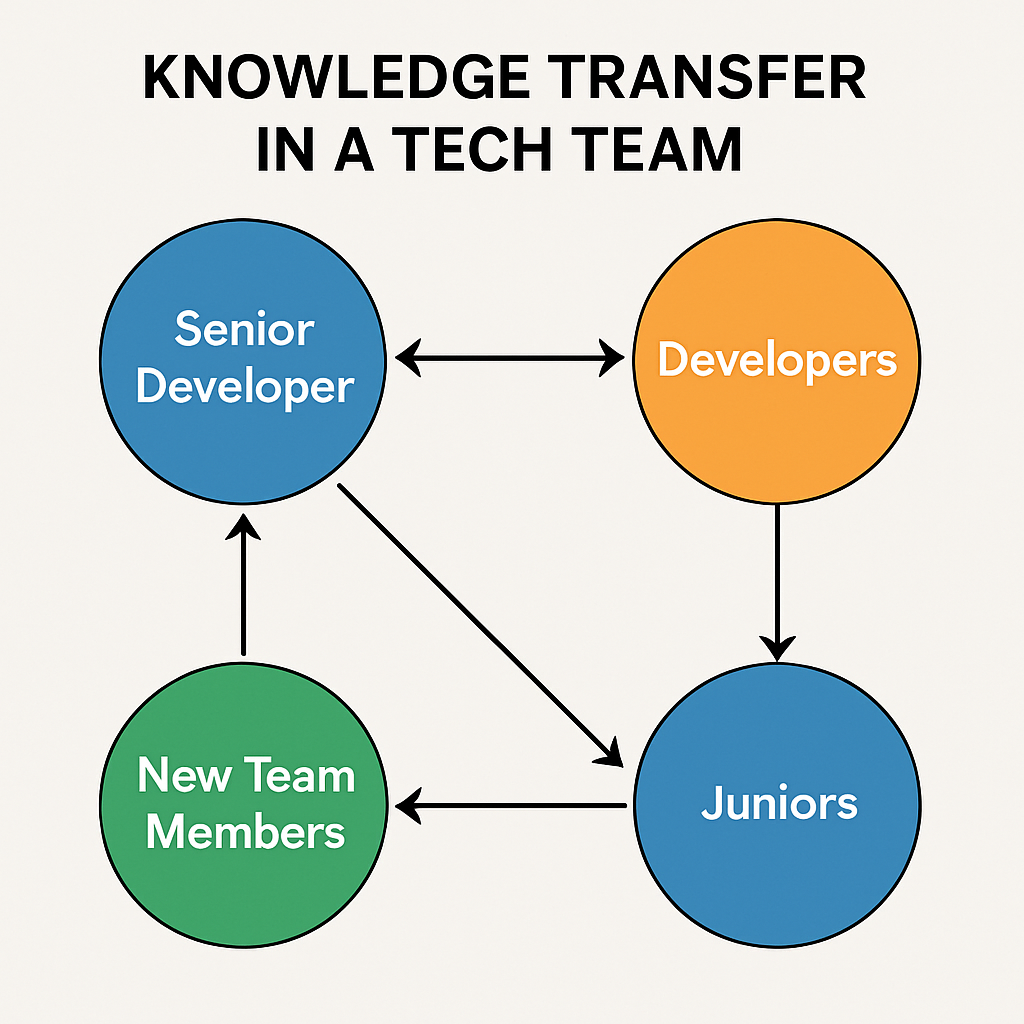
In the ever-evolving world of software engineering, mentoring junior engineers has become more critical than ever. As we navigate through 2025 and beyond, the rapid pace of technological advancements demands that new engineers quickly adapt and contribute effectively. But what does effective mentoring look like in this context? Let's dive into strategies that truly work, backed by real-world insights and examples.

Why Mentoring Matters Now
The tech industry is experiencing unprecedented growth, with new tools and frameworks emerging almost daily. Junior engineers entering the field face a steep learning curve, and without proper guidance, they risk becoming overwhelmed. Effective mentoring not only accelerates their learning but also ensures that they become valuable contributors to their teams. In a world where remote work and distributed teams are the norm, mentoring has also evolved to include virtual and asynchronous methods, making it more accessible yet challenging.
Deep Dive into Effective Mentoring Strategies
1. Pair Programming and Code Reviews
Pair programming is a powerful tool for mentoring. It allows junior engineers to learn by doing, with immediate feedback from a more experienced engineer. This hands-on approach is invaluable for understanding complex codebases and learning best practices.
Example:
In a Spring Boot microservices project, a senior engineer might pair with a junior engineer to implement a new feature. The senior engineer guides the junior through setting up the service, integrating with existing APIs, and writing tests.
@RestController
@RequestMapping("/api/v1/orders")
public class OrderController {

    @Autowired
    private OrderService orderService;

    @PostMapping
    public ResponseEntity<Order> createOrder(@RequestBody Order order) {
        Order createdOrder = orderService.createOrder(order);
        return new ResponseEntity<>(createdOrder, HttpStatus.CREATED);
    }
}
2. Real-World Use Cases and Architecture Patterns
Mentoring should include exposure to real-world use cases and architecture patterns. This helps junior engineers understand how theoretical concepts apply in practice.
Example:
Consider a system design session where a senior engineer explains the architecture of a microservices-based e-commerce platform. The discussion might include how services communicate, the role of an API gateway, and strategies for scaling.
3. Encouraging Ownership and Responsibility
Encouraging junior engineers to take ownership of small projects or components fosters a sense of responsibility and boosts confidence. This approach also provides them with a safe space to make mistakes and learn from them.
Common Mistakes Engineers Make
- Overloading with Information: Bombarding juniors with too much information at once can be counterproductive. Focus on incremental learning.
- Lack of Feedback: Regular feedback is crucial. Without it, juniors may not know if they're on the right track.
- Ignoring Soft Skills: Technical skills are important, but communication and teamwork are equally vital.
When NOT to Use This Approach
- Time-Pressured Projects: In high-pressure situations, pair programming might slow down progress. Consider alternative mentoring methods like code reviews.
- Highly Specialized Tasks: If a task requires deep expertise, it might be more efficient for a senior engineer to handle it directly.
How This Impacts System Design Interviews
Mentoring can significantly impact a junior engineer's performance in system design interviews. Exposure to real-world architecture discussions and problem-solving sessions equips them with the skills to tackle complex design problems confidently.
Best Practices and Recommendations
- Set Clear Goals: Define what success looks like for both the mentor and the mentee.
- Regular Check-Ins: Schedule regular meetings to discuss progress and address any challenges.
- Leverage Technology: Use tools like Slack, Zoom, and GitHub to facilitate communication and collaboration.
Future Outlook
As AI and automation continue to reshape the tech landscape, mentoring will evolve to include these technologies. AI-driven tools can provide personalized learning paths and real-time feedback, complementing traditional mentoring methods.
Conclusion
Mentoring junior engineers is not just about transferring knowledge; it's about fostering a culture of continuous learning and growth. By implementing effective strategies, we can ensure that the next generation of engineers is well-equipped to tackle the challenges of tomorrow.
Key Takeaways:
- Effective mentoring accelerates learning and boosts team productivity.
- Real-world examples and hands-on experience are crucial.
- Avoid common pitfalls by focusing on incremental learning and regular feedback.
By investing in mentoring, we not only enhance the skills of junior engineers but also strengthen the entire engineering team.