Mastering the CQRS Pattern with Kafka and Event Sourcing
In the ever-evolving landscape of software architecture, the Command Query Responsibility Segregation (CQRS) pattern, combined with Kafka and event sourcing, has emerged as a powerful approach to building scalable and resilient systems. As we move into 2025 and beyond, understanding and implementing these patterns is crucial for engineers looking to design systems that can handle the demands of modern applications.
Why This Topic Matters Now
With the proliferation of microservices and the increasing need for real-time data processing, the CQRS pattern, when paired with Kafka and event sourcing, offers a robust solution for managing complex data flows and ensuring system reliability. As organizations continue to embrace digital transformation, the ability to efficiently handle large volumes of data and provide real-time insights is more critical than ever.
Deep Dive into Concepts
Understanding CQRS
CQRS is a design pattern that separates the read and write operations of a system. This separation allows for optimized handling of queries and commands, enabling systems to scale more effectively.
// Example of a simple command in a CQRS setup
public class CreateOrderCommand {
    private final String orderId;
    private final List<OrderItem> items;

    public CreateOrderCommand(String orderId, List<OrderItem> items) {
        this.orderId = orderId;
        this.items = items;
    }

    // Getters and other methods
}
Kafka as the Backbone
Apache Kafka serves as the backbone for event-driven architectures, providing a distributed platform for publishing and subscribing to streams of records. Its ability to handle high throughput and low latency makes it ideal for implementing CQRS with event sourcing.
Event Sourcing Explained
Event sourcing is a pattern where state changes are stored as a sequence of events. Instead of storing the current state, the system reconstructs the state by replaying events. This approach provides a complete audit trail and enables features like time travel and event replay.
// Example of an event in an event-sourced system
public class OrderCreatedEvent {
    private final String orderId;
    private final List<OrderItem> items;

    public OrderCreatedEvent(String orderId, List<OrderItem> items) {
        this.orderId = orderId;
        this.items = items;
    }

    // Getters and other methods
}
Real-World Use Cases and Architecture Patterns
Architecture Overview
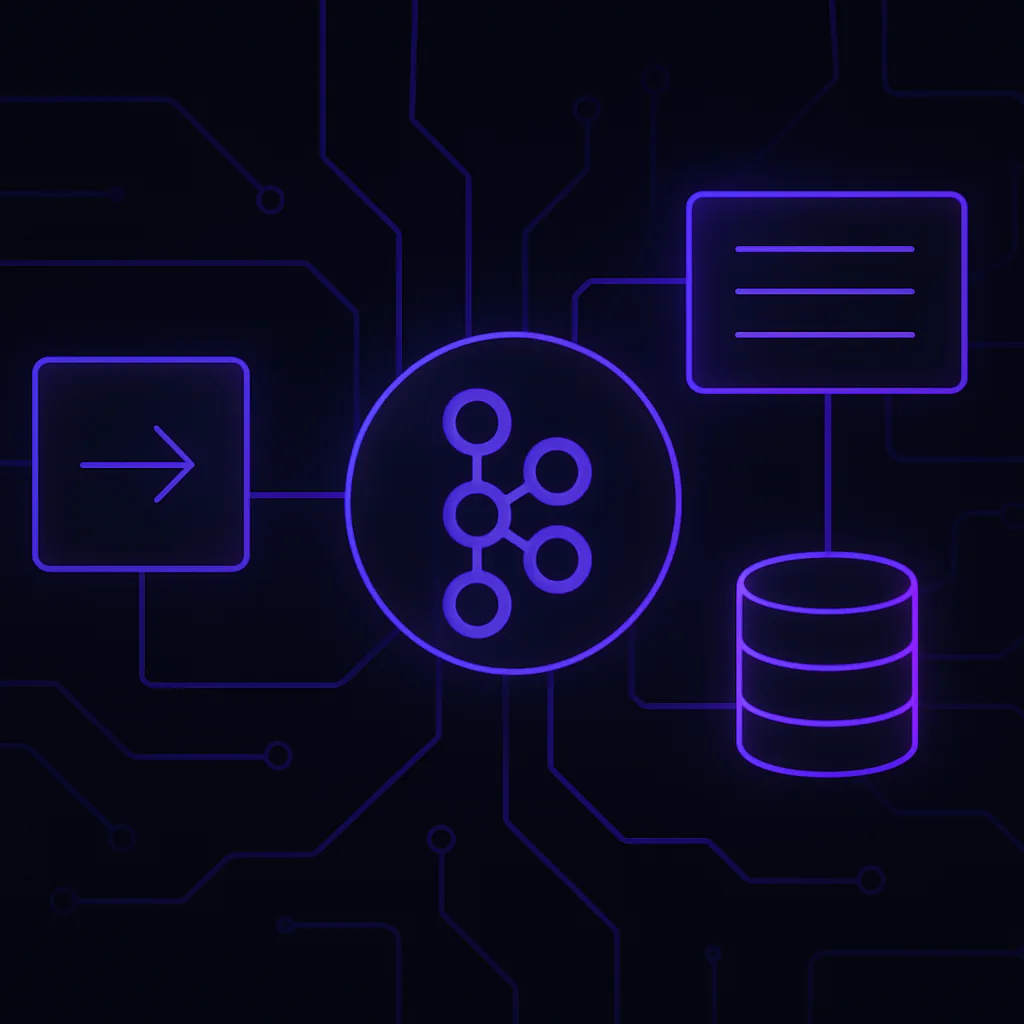
In a typical CQRS and event sourcing setup with Kafka, commands are processed by a command handler, which publishes events to a Kafka topic. These events are then consumed by one or more read models, which update their state accordingly.
Use Cases
- E-commerce Platforms: Handling complex order processing and inventory management.
- Financial Services: Real-time transaction processing and audit trails.
- IoT Systems: Managing and analyzing streams of sensor data.
Pros, Cons, and Challenges
Pros
- Scalability: Separating reads and writes allows for independent scaling.
- Flexibility: Different models for reading and writing can be optimized separately.
- Auditability: Complete history of changes is maintained.
Cons
- Complexity: Increased architectural complexity and potential for eventual consistency issues.
- Latency: Eventual consistency can introduce latency in data propagation.
Challenges
- Data Consistency: Ensuring eventual consistency across distributed systems.
- Operational Overhead: Managing Kafka clusters and event stores.
Best Practices / Recommendations
- Design for Failure: Implement robust error handling and retry mechanisms.
- Optimize Read Models: Tailor read models to specific query requirements for performance.
- Monitor and Scale: Use monitoring tools to track system performance and scale components as needed.
Common Mistakes Engineers Make
- Overcomplicating the Design: Not every system needs CQRS and event sourcing. Evaluate the complexity and requirements before implementation.
- Ignoring Event Versioning: Failing to version events can lead to compatibility issues as the system evolves.
- Neglecting Data Privacy: Ensure sensitive data is handled appropriately, especially in event logs.
When NOT to Use This Approach
- Simple CRUD Applications: For straightforward applications, the added complexity may not be justified.
- Low Throughput Systems: If the system does not require high throughput or real-time processing, simpler architectures may suffice.
How This Impacts System Design Interviews
Understanding CQRS and event sourcing can set candidates apart in system design interviews. Demonstrating knowledge of these patterns shows an ability to design scalable, resilient systems. However, it's crucial to articulate when and why these patterns are appropriate, showcasing a balanced understanding of their trade-offs.
Future Outlook
As we look to the future, the integration of AI and machine learning with CQRS and event sourcing will open new possibilities for predictive analytics and automated decision-making. The ability to process and analyze data in real-time will continue to drive innovation across industries.
Conclusion
The CQRS pattern, when combined with Kafka and event sourcing, offers a powerful toolkit for building modern, scalable systems. By understanding the intricacies of these patterns and their real-world applications, engineers can design systems that meet the demands of today's data-driven world. As with any architectural decision, it's essential to weigh the benefits against the complexity and choose the right approach for your specific use case.