
Mastering Product Development with Amazon's "Working Backwards" Technique
The Challenge of Misaligned Product Development
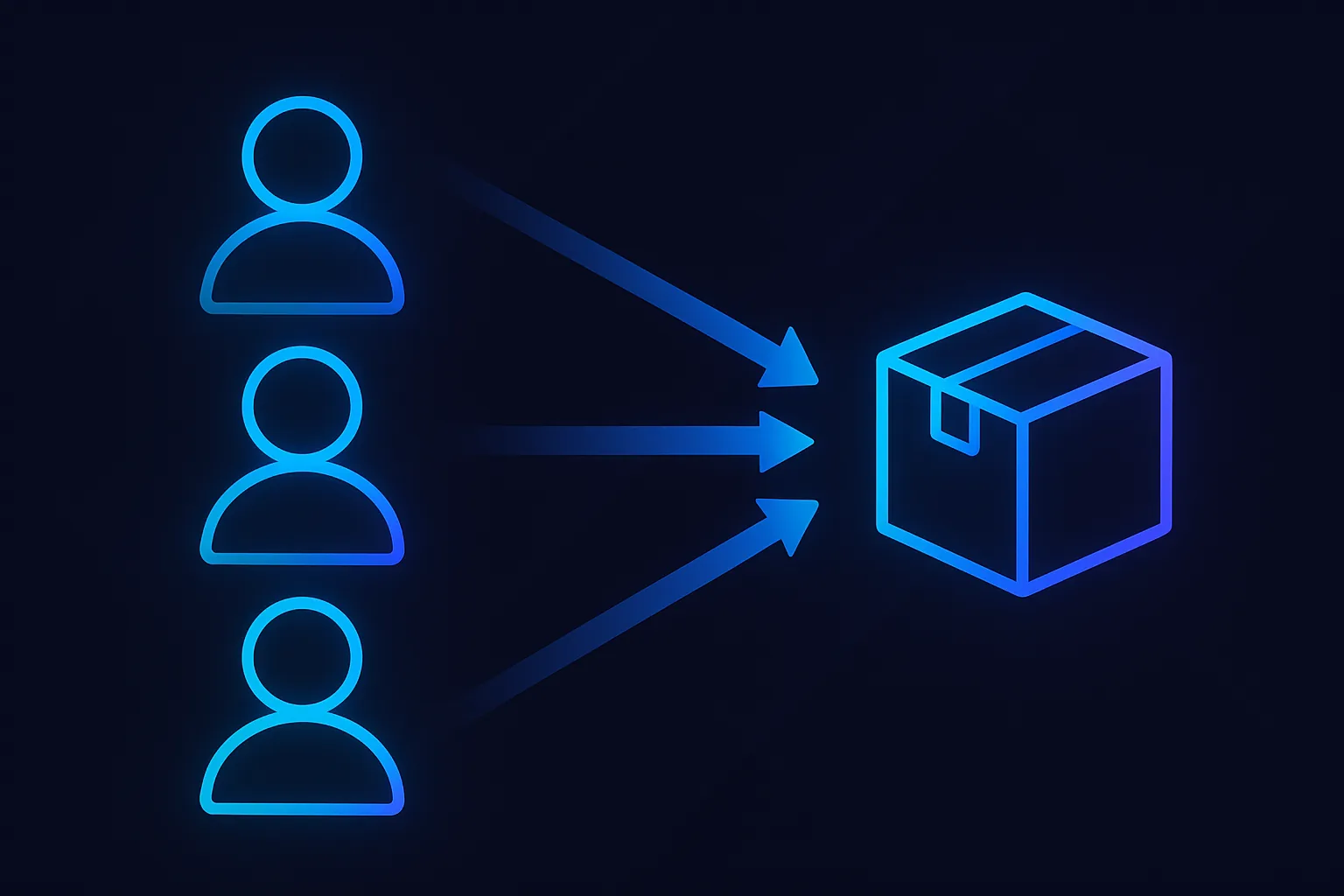
Imagine you're a software engineer at a mid-sized tech company. You've just spent months developing a new feature, only to find out post-launch that it doesn't meet customer needs, leading to poor adoption and wasted resources. This scenario is all too common in the tech industry, where product development often starts with a solution rather than a problem. Enter Amazon's "Working Backwards" technique—a method that flips traditional development on its head by starting with the customer and working backward to the product.
Context and Assumptions
This post assumes familiarity with modern software development practices, including agile methodologies and customer-centric design. The focus is on backend engineers, system designers, and DevOps engineers working in environments using Java, Spring Boot, and cloud services. The scale is medium to large enterprises, and while the principles can apply broadly, the examples will be most relevant to those in similar settings.
Why This Matters Now (2025-2026 Context)
In 2025, the tech landscape is more competitive than ever. With AI-driven personalization and rapid deployment cycles, customer expectations are at an all-time high. Companies that fail to align their products with customer needs risk obsolescence. The "Working Backwards" technique is crucial for ensuring that development efforts are not just innovative but also relevant and impactful.
Step-by-step Walkthrough of the Approach
-
Start with the Press Release: Draft a press release as if the product is already launched. This document should clearly articulate the problem being solved, the target audience, and the benefits. This step forces clarity and focus on customer value from the outset.
-
Create a FAQ Document: Develop a Frequently Asked Questions document to anticipate customer queries and concerns. This helps identify potential pitfalls and areas needing further refinement.
-
Visualize the Customer Experience: Use storyboards or wireframes to map out the customer journey. This visualization ensures that every feature aligns with the intended user experience.
-
Iterate on the Documents: Continuously refine the press release and FAQ based on feedback from stakeholders and potential customers. This iterative process helps in honing the product vision.
-
Develop the Product: With a clear understanding of customer needs and expectations, proceed with development. This step is where traditional agile practices come into play, but with a sharper focus on the end goal.
// Example of a simple Spring Boot application setup
@SpringBootApplication
public class WorkingBackwardsApp {
    public static void main(String[] args) {
        SpringApplication.run(WorkingBackwardsApp.class, args); // Launches the application
    }
}
Real-world Use Cases or Architecture Patterns

Amazon famously uses the "Working Backwards" technique to ensure that every product aligns with customer needs. This approach has been instrumental in the success of products like the Kindle and AWS. Other companies, such as Netflix and Spotify, have adopted similar methodologies to maintain their competitive edge.
Common Mistakes Engineers Make
- Skipping the Press Release: Some teams jump straight into development without a clear vision, leading to misaligned features.
- Ignoring Stakeholder Feedback: Failing to iterate on the initial documents can result in a product that doesn't meet market needs.
- Overcomplicating the Process: The technique is meant to simplify decision-making, not add unnecessary complexity.
Trade-offs and When NOT to Use This Approach
While "Working Backwards" is powerful, it's not always the best fit. For projects with extremely tight deadlines or where rapid prototyping is essential, the upfront time investment may not be feasible. Additionally, in highly experimental projects where customer needs are not yet clear, a more exploratory approach might be warranted.
How This Impacts System Design Interviews
Understanding and applying the "Working Backwards" technique can be a differentiator in system design interviews. It demonstrates a candidate's ability to think strategically about product development and align technical decisions with business goals.
Practical Recap
- Draft a Press Release: Start every project by clearly defining the customer problem and solution.
- Develop a FAQ: Anticipate customer questions to refine your product vision.
- Visualize the Experience: Use storyboards to ensure alignment with customer expectations.
- Iterate and Refine: Continuously improve your documents based on feedback.
- Focus on Customer Value: Keep the end-user at the center of your development process.
By adopting Amazon's "Working Backwards" technique, you can ensure that your software development efforts are not only innovative but also deeply aligned with customer needs, leading to more successful product launches and satisfied users.