Mastering PostgreSQL Logical Replication: From Basics to Advanced Change Data Capture
A 3AM Page: The Catalyst for Change
It was 3AM when Alex's phone buzzed with a critical alert. The notification was from the company's monitoring system, indicating a severe lag in data synchronization between their primary and standby databases. As the lead data engineer, Alex knew this was not just a minor hiccup but a symptom of a deeper issue that had been brewing for months. The current system, reliant on PostgreSQL's physical replication, was buckling under the pressure of the company's rapid growth.
The Limitations of the Current System
The existing setup was designed for a time when the company's data needs were simpler. Physical replication, while robust, mirrored the entire database cluster at the block level. This approach was efficient for disaster recovery but lacked the flexibility needed for the company's evolving architecture. As the business expanded, so did the complexity of its data operations. The need for real-time analytics, seamless data integration across microservices, and the ability to selectively replicate data to different environments were becoming increasingly critical.
Physical replication's all-or-nothing approach meant that any change, no matter how small, required the entire database to be replicated. This was not only resource-intensive but also introduced significant latency, which was unacceptable for the company's real-time data processing needs. The alert at 3AM was a wake-up call—literally and figuratively—that the current system was no longer sustainable.
The Need for a Scalable Solution
Alex realized that the company needed a more scalable and flexible solution to handle its growing data demands. The answer lay in PostgreSQL's logical replication, a feature that promised to address the limitations of physical replication. Unlike its predecessor, logical replication allowed for selective data replication at the table level, enabling more granular control over what data was replicated and where it was sent.
This capability was precisely what Alex's company needed to support its microservices architecture and real-time analytics requirements. Logical replication would not only reduce the load on the primary database but also provide the flexibility to replicate data to different systems without the overhead of duplicating the entire database.
As Alex sat down to draft a plan for implementing logical replication, they knew this was the beginning of a transformative journey for the company's data infrastructure. The 3AM alert had set the stage for a much-needed evolution, one that would ensure the company's data systems could scale alongside its ambitions.
Before Logical Replication: The Era of Physical Replication
As Alex sat at their desk, the early morning alert still fresh in their mind, they couldn't help but reflect on the evolution of data replication in PostgreSQL. Before the advent of logical replication, physical replication was the go-to method for ensuring data consistency across databases. Understanding its limitations was crucial for Alex as they embarked on the journey to implement a more scalable solution.
Physical Replication Basics
Physical replication in PostgreSQL is a process that involves copying the entire database cluster at the binary level. This method ensures that the primary and standby databases are exact replicas, byte-for-byte. It operates by streaming Write-Ahead Logging (WAL) files from the primary server to one or more standby servers. These WAL files contain all the changes made to the database, allowing the standby servers to replay these changes and stay in sync with the primary.
The setup typically involves:
- Primary Server: The main database server where all write operations occur.
- Standby Server: A replica that receives WAL files from the primary server.
- WAL Archiving: The process of storing WAL files for replication purposes.
Challenges Faced by Engineers
While physical replication was a robust solution for many years, it came with its own set of challenges that engineers like Alex had to navigate:
-
Lack of Flexibility: Physical replication required the entire database to be replicated, which was not ideal for scenarios where only specific tables or schemas needed to be synchronized.
-
Downtime During Failover: In the event of a primary server failure, promoting a standby server to primary could result in downtime, impacting availability.
-
Resource Intensive: The binary-level replication meant that any change, no matter how small, required the entire WAL file to be streamed and applied, consuming significant network and storage resources.
-
Version Compatibility: Both primary and standby servers needed to run the same PostgreSQL version, limiting the ability to perform rolling upgrades.
The Inception of Logical Replication
The limitations of physical replication led to the development of logical replication, a more flexible and granular approach. Logical replication allows for the replication of individual tables or subsets of data, rather than the entire database. This was a game-changer for engineers like Alex, who needed a solution that could scale with the growing demands of their tech company.
Logical replication was introduced in PostgreSQL 10, marking a significant shift in how data could be replicated. It provided the ability to:
- Replicate Specific Data: Engineers could choose which tables or schemas to replicate, reducing unnecessary data transfer.
- Support for Different Versions: Logical replication allowed for replication between different PostgreSQL versions, facilitating easier upgrades.
- Minimal Downtime: With logical replication, failover processes could be more seamless, reducing downtime and improving availability.
As Alex pondered these advancements, they realized that logical replication was not just a new feature but a necessary evolution to meet the modern demands of data engineering. The journey ahead would involve leveraging these capabilities to build a robust and scalable replication strategy for their company.
Understanding Logical Replication: A New Paradigm
As Alex sat at their desk, contemplating the limitations of the current data replication system, they realized it was time to explore a new paradigm: logical replication. This approach promised to address the challenges they faced with physical replication, offering a more flexible and scalable solution for their growing tech company.
What is Logical Replication?
Logical replication in PostgreSQL is a method of replicating data changes from one database to another in a more granular and customizable way than traditional physical replication. Unlike physical replication, which copies the entire database cluster at the binary level, logical replication allows for the replication of individual tables or even specific rows. This is achieved by capturing changes at the logical level, such as INSERT, UPDATE, and DELETE operations, and then applying these changes to a subscriber database.
Key Differences from Physical Replication
Understanding the differences between logical and physical replication is crucial for Alex as they evaluate the best approach for their company's needs:
-
Granularity: Physical replication operates at the level of the entire database cluster, while logical replication allows for selective replication of specific tables or rows. This means Alex can choose to replicate only the data that is relevant to different parts of their system.
-
Flexibility: Logical replication supports more complex topologies, such as one-to-many and many-to-one configurations. This flexibility is essential for Alex's company as they scale their microservices architecture.
-
Version Independence: Logical replication can work across different PostgreSQL versions, making it easier for Alex to manage upgrades and migrations without downtime.
-
Data Transformation: With logical replication, Alex can transform data during replication, allowing for real-time data integration and transformation tasks that are not possible with physical replication.
Benefits of Logical Replication
The benefits of logical replication align perfectly with the needs of Alex's company:
-
Scalability: By replicating only the necessary data, logical replication reduces the overhead on the network and storage, allowing Alex's company to scale efficiently.
-
Real-Time Analytics: Logical replication enables real-time data analytics by continuously streaming changes to analytical databases, providing Alex with up-to-date insights.
-
Disaster Recovery: With logical replication, Alex can set up a more robust disaster recovery system by replicating critical data to geographically distributed locations.
-
Microservices Support: As Alex's company adopts a microservices architecture, logical replication allows for the seamless integration of data across different services, ensuring consistency and reliability.
Logical Replication Process
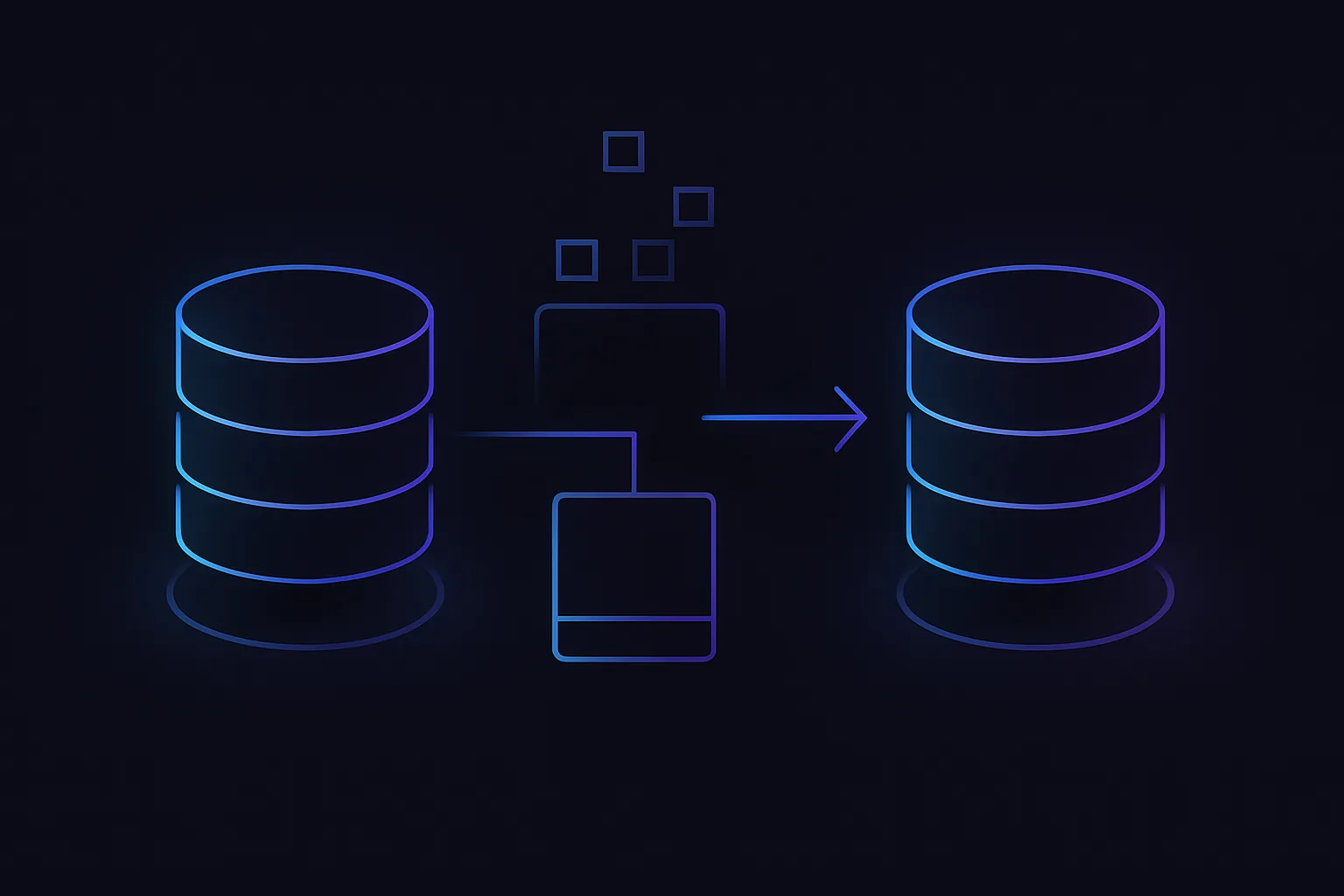
To visualize how logical replication works, consider the following flowchart:
In this process, the primary database captures changes through logical decoding and streams them via a replication slot. These changes are then published and sent to the subscriber database, where they are applied to keep the data up-to-date.
As Alex delves deeper into the world of logical replication, they see the potential it holds for transforming their company's data infrastructure. With a clear understanding of its definition, differences, and benefits, Alex is ready to take the next steps in implementing this powerful tool.
How Logical Replication Works: Under the Hood
As Alex delved deeper into the world of PostgreSQL logical replication, they realized that understanding its mechanics was crucial for a successful implementation. Logical replication, unlike its physical counterpart, operates at a higher level of abstraction, allowing for more flexibility and control over data replication. Here's how it works under the hood.
Logical Decoding Process
At the heart of logical replication is the logical decoding process. This process involves extracting changes from the write-ahead log (WAL) in a format that can be understood and applied by subscribers. Unlike physical replication, which copies the entire database state, logical replication focuses on individual changes, such as inserts, updates, and deletes.
Alex learned that logical decoding requires a plugin to interpret the WAL entries. PostgreSQL provides a built-in plugin called pgoutput, which is commonly used for logical replication. The decoding process involves:
- Reading WAL Entries: The logical decoder reads changes from the WAL.
- Decoding Changes: The plugin decodes these changes into a logical format.
- Sending Changes: The decoded changes are sent to the subscribers.
This process allows for selective replication of tables and even specific rows, providing the granularity that Alex's company needed.
Replication Slots and Publications
To manage the flow of data, PostgreSQL uses replication slots and publications. Alex found these concepts pivotal in setting up a robust replication system.
- Replication Slots: These are used to ensure that the WAL segments required for replication are retained until they are no longer needed by the subscribers. This prevents data loss and ensures consistency. Alex created a replication slot using the following command:
sql
  SELECT * FROM pg_create_logical_replication_slot('my_slot', 'pgoutput');
This command creates a logical replication slot named my_slot using the pgoutput plugin.
- Publications: These define what data is available for replication. A publication can include one or more tables, and it determines which changes are sent to the subscribers. Alex set up a publication with:
sql
  CREATE PUBLICATION my_publication FOR TABLE my_table;
This command creates a publication named my_publication for the table my_table.
Subscriber Setup
With the logical decoding and publication in place, the next step for Alex was to set up the subscribers. Subscribers are the databases that receive and apply the changes from the publisher.
- Create a Subscription: On the subscriber database, Alex created a subscription to the publication:
sql
   CREATE SUBSCRIPTION my_subscription
   CONNECTION 'host=publisher_host dbname=publisher_db user=replicator password=secret'
   PUBLICATION my_publication;
This command establishes a connection to the publisher and subscribes to my_publication.
-
Apply Changes: Once the subscription is active, the subscriber begins receiving changes from the publisher. These changes are applied in the order they are received, ensuring consistency.
-
Monitor Subscription: Alex monitored the subscription to ensure it was functioning correctly. PostgreSQL provides views like
pg_stat_subscriptionto check the status and performance of subscriptions.
Visualizing the Process
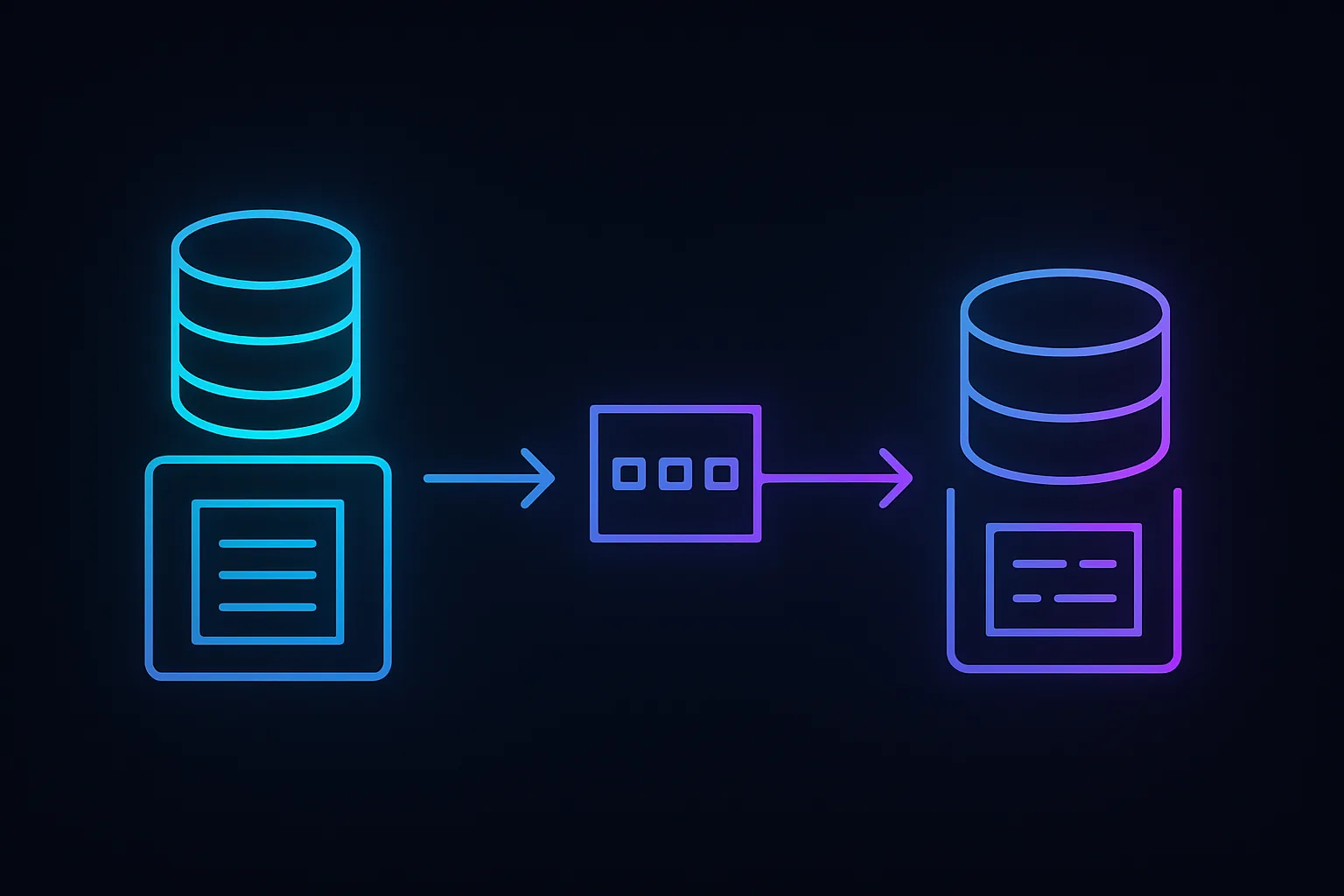
To better understand the flow of logical replication, Alex sketched a diagram:
This diagram illustrates how changes flow from the publisher to the subscriber, highlighting the role of each component in the process.
By mastering these mechanics, Alex was able to implement a logical replication system that met the growing demands of their company. The flexibility and control offered by logical replication proved invaluable, allowing for a scalable and efficient data replication strategy.
Setting Up Your First Logical Replication
Alex, the data engineer at a burgeoning tech company, was tasked with setting up PostgreSQL Logical Replication to address the company's growing data needs. With the foundational understanding of logical replication in place, Alex was ready to dive into the practical setup. Here's how Alex approached the task, ensuring a smooth transition from theory to practice.
Prerequisites for Setup
Before Alex could begin configuring logical replication, several prerequisites needed to be in place:
- PostgreSQL Version: Ensure that PostgreSQL 10 or later is installed, as logical replication is supported from version 10 onwards.
- Network Configuration: The primary and replica servers must be able to communicate over the network. Ensure that the necessary ports (default is 5432) are open.
- User Privileges: A replication role with appropriate privileges is required. This user must have the
REPLICATIONattribute. - WAL Level: The Write-Ahead Logging (WAL) level must be set to
logical. This can be configured in thepostgresql.conffile.
-- Set WAL level to logical
ALTER SYSTEM SET wal_level = 'logical';
- Max Replication Slots and Connections: Adjust the
max_replication_slotsandmax_wal_senderssettings to accommodate the number of replication slots and connections needed.
-- Example configuration
ALTER SYSTEM SET max_replication_slots = 4;
ALTER SYSTEM SET max_wal_senders = 4;
Step-by-Step Configuration
With the prerequisites in place, Alex proceeded with the configuration:
- Create a Publication on the Primary Server: A publication defines which changes are sent to subscribers. Alex decided to replicate all changes from a specific table.
-- Create a publication for a specific table
CREATE PUBLICATION my_publication FOR TABLE my_table;
- Set Up a Subscription on the Replica Server: A subscription connects to the publication and applies the changes. Alex configured the subscription on the replica server.
-- Create a subscription to the publication
CREATE SUBSCRIPTION my_subscription
CONNECTION 'host=primary_host dbname=mydb user=replicator password=secret'
PUBLICATION my_publication;
- Verify Network and User Access: Ensure that the
pg_hba.conffile on the primary server allows connections from the replica server's IP address.
# Example entry in pg_hba.conf
host    replication     replicator     replica_ip/32     md5
- Reload Configuration: After making changes to configuration files, Alex reloaded the PostgreSQL configuration to apply the changes.
# Reload PostgreSQL configuration
SELECT pg_reload_conf();
Verifying Replication
With the setup complete, Alex needed to verify that logical replication was functioning correctly:
- Check Subscription Status: On the replica server, Alex checked the status of the subscription to ensure it was active and receiving changes.
-- Check subscription status
SELECT * FROM pg_stat_subscription;
- Test Data Changes: Alex performed a simple data modification on the primary server to see if it replicated to the replica server.
-- Insert a test row on the primary server
INSERT INTO my_table (column1, column2) VALUES ('test', 123);
- Verify Data on Replica: Finally, Alex confirmed that the data change appeared on the replica server, indicating successful replication.
-- Check the replicated data on the replica server
SELECT * FROM my_table WHERE column1 = 'test';
Through careful planning and execution, Alex successfully set up logical replication, paving the way for scalable data solutions at the company. This foundational setup would later allow Alex to explore more advanced techniques and optimizations, ensuring the system could handle the company's evolving data demands.
Real-World Use Cases: Scaling with Logical Replication
As Alex delved deeper into the world of PostgreSQL Logical Replication, they discovered its transformative potential for tech companies, especially those experiencing rapid growth. Logical replication offers a flexible and efficient way to scale databases, making it an invaluable tool for modern architectures.
Use Cases in Tech Companies
Tech companies often face the challenge of scaling their databases to accommodate increasing data loads and user demands. Logical replication provides a solution by allowing selective data replication. This means that instead of replicating entire databases, companies can choose specific tables or even subsets of data to replicate. This selective replication is particularly beneficial for:
- Data Warehousing: Companies can replicate only the necessary data to a data warehouse, reducing storage costs and improving query performance.
- Geographically Distributed Systems: Logical replication enables data to be replicated across different geographic locations, ensuring low-latency access for users worldwide.
- Real-Time Analytics: By replicating only the data needed for analytics, companies can perform real-time data analysis without impacting the performance of their primary database.
Benefits in Microservices Architecture
In a microservices architecture, different services often require access to shared data. Logical replication facilitates this by allowing each microservice to have its own database instance with the necessary data. This approach offers several benefits:
- Decoupling Services: Each microservice can operate independently, reducing the risk of a single point of failure.
- Scalability: Services can be scaled independently based on their specific data needs and load.
- Data Consistency: Logical replication ensures that all services have access to the most up-to-date data, maintaining consistency across the architecture.
Case Study: Alex's Company
At Alex's company, the need for a scalable solution became evident as the user base grew exponentially. The existing physical replication setup was struggling to keep up with the demand, leading to performance bottlenecks and increased latency. Alex proposed implementing logical replication to address these challenges.
The company had several microservices that required access to user data, transaction records, and analytics. By setting up logical replication, Alex was able to:
- Optimize Data Flow: Only the necessary data was replicated to each microservice, reducing unnecessary data transfer and storage.
- Enhance Performance: With each microservice having its own dedicated database instance, query performance improved significantly.
- Improve Reliability: The decoupled architecture ensured that issues in one service did not cascade to others, enhancing overall system reliability.
The implementation of logical replication not only resolved the immediate performance issues but also positioned the company for future growth. As new services were developed, they could easily tap into the existing replication setup, ensuring seamless integration and data access.
Alex's journey with logical replication highlighted its potential to transform database management in tech companies. By leveraging its capabilities, companies can achieve greater scalability, flexibility, and efficiency, paving the way for innovation and growth.
Advanced Techniques: Tuning and Optimization
As Alex delved deeper into the world of PostgreSQL Logical Replication, they quickly realized that setting up replication was just the beginning. To truly harness its power, especially in a rapidly growing tech company, Alex needed to optimize the system for performance, handle large data volumes efficiently, and ensure robust monitoring and troubleshooting mechanisms were in place.
Performance Tuning Tips
One of the first challenges Alex faced was ensuring that logical replication didn't become a bottleneck. Here are some key performance tuning tips Alex discovered:
- Adjusting
max_replication_slotsandmax_wal_senders: These parameters control the number of replication slots and WAL sender processes. Alex increased these values to accommodate more subscribers, ensuring the system could handle the growing number of replicas.
sql
  ALTER SYSTEM SET max_replication_slots = 10;
  ALTER SYSTEM SET max_wal_senders = 10;
- Tuning
wal_level: Setting thewal_leveltologicalis crucial for logical replication. Alex ensured this was configured correctly to capture all necessary changes.
sql
  ALTER SYSTEM SET wal_level = 'logical';
-
Optimizing Network Bandwidth: Alex noticed that network latency could impact replication performance. By compressing data before transmission, they reduced the bandwidth usage, which was particularly beneficial for remote subscribers.
-
Batching Transactions: By grouping smaller transactions into larger ones, Alex reduced the overhead associated with each transaction, improving throughput.
Handling Large Data Volumes
As the company scaled, so did the volume of data. Alex needed strategies to handle this efficiently:
-
Initial Data Load: For large datasets, Alex used tools like
pg_dumpandpg_restoreto perform the initial data load, ensuring that logical replication started with a consistent state. -
Partitioning Tables: By partitioning large tables, Alex improved query performance and reduced the replication load. This approach allowed for more efficient data management and replication.
-
Using
pglogicalExtension: Alex explored thepglogicalextension, which offered advanced features like selective replication and conflict resolution, making it easier to manage large datasets.
Monitoring and Troubleshooting
To maintain a healthy replication setup, Alex implemented robust monitoring and troubleshooting practices:
- Monitoring Replication Lag: Alex set up alerts to monitor replication lag using the
pg_stat_replicationview. This allowed them to quickly identify and address any delays in data propagation.
sql
  SELECT application_name, state, sync_state, write_lag, flush_lag, replay_lag
  FROM pg_stat_replication;
-
Logging and Analyzing Errors: By enabling detailed logging, Alex could capture and analyze errors related to replication. This was crucial for diagnosing issues and ensuring data consistency.
-
Regular Health Checks: Alex scheduled regular health checks to verify the integrity of the replication setup. This included checking for orphaned replication slots and ensuring that all subscribers were up-to-date.
-
Automated Failover: To enhance reliability, Alex implemented automated failover mechanisms. This ensured that in the event of a primary server failure, a standby server could quickly take over, minimizing downtime.
Code Example: Handling Replication Slots
Alex found that managing replication slots was critical for maintaining a stable replication environment. Here's a snippet that Alex used to monitor and clean up unused replication slots:
-- List all replication slots
SELECT slot_name, active FROM pg_replication_slots;

-- Drop an unused replication slot
SELECT pg_drop_replication_slot('unused_slot_name');
By regularly reviewing and cleaning up replication slots, Alex prevented potential issues related to resource exhaustion.
Through these advanced techniques, Alex successfully optimized PostgreSQL Logical Replication to meet the company's growing demands. The system was now robust, efficient, and capable of handling the challenges of a dynamic tech environment.
When to Use Logical Replication: Best Practices
As Alex sat in the bustling office of the tech company, they pondered the best approach to scale the database infrastructure. The company was growing rapidly, and the need for a robust, scalable solution was more pressing than ever. Logical replication emerged as a promising candidate, but Alex needed to ensure it was the right fit for their specific needs.
Scenarios Ideal for Logical Replication
Logical replication shines in several scenarios, making it an ideal choice for Alex's company:
-
Selective Data Replication: Unlike physical replication, logical replication allows for selective replication of tables or even specific rows. This is particularly useful for Alex, who needed to replicate only certain parts of the database to different environments, such as development and testing.
-
Cross-Version Replication: Logical replication supports replication between different PostgreSQL versions. This flexibility was crucial for Alex's team, who were planning a gradual upgrade of their database systems without downtime.
-
Data Integration: For companies like Alex's, which integrate data from multiple sources, logical replication provides a seamless way to consolidate data into a central database. This capability was essential for their analytics team, who needed real-time access to diverse datasets.
-
Microservices Architecture: In a microservices environment, logical replication can be used to synchronize data across services without tightly coupling them. Alex's company was moving towards a microservices architecture, making logical replication a perfect fit.
Alternatives and Their Use Cases
While logical replication offers many benefits, it's not the only solution available. Alex considered several alternatives:
-
Physical Replication: Best suited for high-availability setups where an exact replica of the database is needed. However, it lacks the flexibility of logical replication in terms of selective data replication and cross-version compatibility.
-
Debezium: An open-source CDC (Change Data Capture) tool that integrates with Kafka. It's ideal for streaming changes to other systems but requires additional infrastructure and expertise in Kafka.
-
Kafka Connect: Useful for streaming data changes to various sinks, but like Debezium, it demands a robust Kafka setup and is more complex to manage.
-
Custom ETL Solutions: For specific data transformation needs, custom ETL (Extract, Transform, Load) processes can be developed. However, they often require significant development effort and maintenance.
Alex's Decision-Making Process
Alex's decision to implement logical replication was driven by a combination of technical requirements and strategic goals. They considered the following factors:
-
Scalability Needs: The company's rapid growth necessitated a solution that could scale efficiently. Logical replication's ability to handle selective data replication and cross-version compatibility made it a strong contender.
-
Resource Availability: With a limited team, Alex needed a solution that was relatively easy to set up and maintain. Logical replication's integration within PostgreSQL meant fewer moving parts compared to external CDC tools.
-
Future-Proofing: As the company planned to adopt a microservices architecture, logical replication's flexibility in synchronizing data across services aligned with their long-term vision.
After weighing these factors, Alex confidently moved forward with logical replication, setting the stage for a scalable and resilient database infrastructure that could grow alongside the company.
Common Pitfalls and How to Avoid Them
As Alex delved deeper into implementing PostgreSQL Logical Replication at their tech company, they encountered several challenges that could have derailed the project. Understanding these common pitfalls and how to avoid them can save time and ensure a smoother replication setup.
Configuration Errors
One of the first hurdles Alex faced was configuration errors. Logical replication requires precise setup, and even minor misconfigurations can lead to significant issues. Here are some common configuration mistakes and how to avoid them:
-
Incorrect Permissions: Ensure that the replication user has the necessary permissions. The user must have
REPLICATIONprivileges and access to the databases involved in replication. -
Misconfigured
pg_hba.conf: This file controls client authentication. Alex initially forgot to allow the replication user to connect from the subscriber's IP address. To fix this, they added an entry like:
host replication replicator 192.168.1.0/24 md5
This line allows the userreplicatorto connect from the specified IP range using MD5 authentication. -
Publication and Subscription Mismatch: Ensure that the tables included in the publication match those expected by the subscription. Alex once forgot to include a critical table in the publication, leading to missing data on the subscriber.
Performance Bottlenecks
As the company grew, Alex noticed performance bottlenecks that affected replication efficiency. Here are some strategies they used to address these issues:
-
Network Latency: High network latency can slow down replication. Alex worked with the network team to optimize routes and reduce latency between the primary and subscriber databases.
-
Large Transactions: Large transactions can overwhelm the replication process. Alex implemented a strategy to break down large transactions into smaller, more manageable chunks, reducing the load on the replication system.
-
Resource Allocation: Insufficient resources on the subscriber can lead to bottlenecks. Alex ensured that the subscriber had adequate CPU, memory, and disk I/O capacity to handle the incoming data stream.
Alex's Lessons Learned
Through trial and error, Alex learned valuable lessons that helped refine the replication setup:
-
Thorough Testing: Before deploying changes to production, Alex set up a staging environment to test replication configurations and performance. This practice caught several issues early, preventing potential downtime.
-
Monitoring and Alerts: Implementing robust monitoring and alerting systems was crucial. Alex used tools like
pg_stat_replicationto monitor replication lag and set up alerts for any anomalies. This proactive approach allowed for quick responses to issues. -
Documentation and Training: Alex documented every step of the replication setup and trained the team on best practices. This documentation became an invaluable resource for troubleshooting and onboarding new team members.
By addressing these common pitfalls, Alex successfully implemented a robust logical replication system that scaled with the company's needs. These lessons not only improved the current setup but also prepared the team for future challenges as the company continued to grow.
Logical Replication vs. Other CDC Solutions
As Alex delved deeper into the world of PostgreSQL Logical Replication, they encountered a critical question: how does it stack up against other Change Data Capture (CDC) solutions? In the rapidly evolving landscape of data engineering, choosing the right tool can make or break a project. Alex needed to understand the nuances of Logical Replication compared to other popular CDC solutions like Debezium and Kafka.
Comparison with Debezium
Debezium is an open-source CDC platform that captures changes from various databases, including PostgreSQL, and streams them to Apache Kafka. It operates by reading the database's transaction logs, similar to Logical Replication, but with some key differences:
-
Flexibility: Debezium supports multiple databases, making it a versatile choice for heterogeneous environments. In contrast, PostgreSQL Logical Replication is specific to PostgreSQL, which can be a limitation if Alex's company plans to integrate with other database systems in the future.
-
Integration with Kafka: Debezium is designed to work seamlessly with Kafka, providing a robust pipeline for streaming data. This integration is beneficial for companies already using Kafka as their data backbone. Alex noted that while Logical Replication can be integrated with Kafka, it requires additional setup and tools, such as Kafka Connect.
-
Schema Evolution: Debezium offers built-in support for schema changes, which can be a significant advantage in dynamic environments where database schemas frequently evolve. Logical Replication, on the other hand, requires careful management of schema changes to avoid replication issues.
Trade-offs with Kafka
Kafka, primarily known as a distributed event streaming platform, also offers CDC capabilities through Kafka Connect and its ecosystem. Alex considered the trade-offs between using Kafka directly for CDC and PostgreSQL Logical Replication:
-
Scalability: Kafka is renowned for its ability to handle high-throughput data streams, making it ideal for large-scale applications. If Alex's company anticipates rapid growth and massive data volumes, Kafka's scalability could be a decisive factor.
-
Complexity: Implementing CDC with Kafka involves setting up Kafka Connect, configuring connectors, and managing the Kafka cluster. This complexity can be daunting for teams without prior Kafka experience. In contrast, PostgreSQL Logical Replication is more straightforward to set up within a PostgreSQL environment, which could save Alex's team valuable time and resources.
-
Latency: Kafka's architecture is optimized for low-latency data processing, which is crucial for real-time analytics and monitoring. While Logical Replication is efficient, it may not match Kafka's performance in scenarios demanding ultra-low latency.
Choosing the Right Tool
Faced with these options, Alex needed to weigh the pros and cons based on the company's specific needs and future plans. Here are some considerations that guided Alex's decision-making process:
-
Current Infrastructure: If the company already has a robust Kafka setup, leveraging Debezium or Kafka Connect for CDC might be more efficient. However, if PostgreSQL is the primary database and the team is familiar with it, Logical Replication could be the path of least resistance.
-
Future Growth: For a company expecting rapid expansion and diverse data sources, Debezium's flexibility and Kafka's scalability might be more appealing. Conversely, if the focus is on optimizing the existing PostgreSQL infrastructure, Logical Replication offers a more tailored solution.
-
Team Expertise: The team's familiarity with the tools is crucial. A steep learning curve can delay implementation and increase the risk of errors. Alex's team, being well-versed in PostgreSQL, found Logical Replication to be a more accessible choice.
-
Use Case Requirements: Real-time data processing needs, such as those in financial services or IoT, might necessitate Kafka's low-latency capabilities. For less time-sensitive applications, Logical Replication's simplicity and reliability could suffice.
Ultimately, Alex's decision hinged on aligning the tool's strengths with the company's strategic goals and technical capabilities. By understanding the trade-offs and synergies between Logical Replication, Debezium, and Kafka, Alex was better equipped to implement a CDC solution that would scale with the company's evolving needs.
The Future of Logical Replication
As Alex reflects on the successful deployment of PostgreSQL Logical Replication at their company, they can't help but wonder about the future of this powerful feature. The PostgreSQL community is known for its vibrant contributions and continuous enhancements, and logical replication is no exception. Understanding the planned enhancements and community contributions can help Alex and other data engineers prepare for future projects and leverage new capabilities as they become available.
Planned Enhancements
The PostgreSQL development team is actively working on several enhancements to logical replication, aiming to make it even more robust and versatile. One of the most anticipated features is the support for bidirectional replication. This enhancement will allow data to be replicated in both directions between two databases, enabling more complex architectures such as multi-master setups. This feature is expected to be a game-changer for companies looking to implement high availability and disaster recovery solutions.
Another significant enhancement in the pipeline is the improvement of conflict resolution mechanisms. As logical replication becomes more widely used in environments with concurrent data modifications, handling conflicts efficiently is crucial. The PostgreSQL team is exploring ways to provide more granular control over conflict resolution, allowing users to define custom rules and strategies.
Additionally, there are plans to enhance the performance of logical replication by optimizing the way changes are decoded and transmitted. This includes reducing the overhead associated with logical decoding and improving the efficiency of network communication. These improvements will be particularly beneficial for companies dealing with large volumes of data and requiring real-time replication.
Community Contributions
The PostgreSQL community plays a vital role in the evolution of logical replication. Open-source contributors are constantly experimenting with new ideas and submitting patches to enhance the feature set. One notable community-driven project is the development of additional replication plugins that extend the capabilities of logical replication. These plugins offer specialized functionalities, such as filtering specific tables or columns, which can be particularly useful in complex data environments.
Moreover, the community is actively involved in creating comprehensive documentation and tutorials to help users get the most out of logical replication. This collaborative effort ensures that even newcomers can quickly understand and implement logical replication in their projects.
Alex's Outlook on Future Projects
With these upcoming enhancements and community contributions in mind, Alex is excited about the possibilities for future projects. The prospect of bidirectional replication opens up new avenues for designing resilient and scalable systems. Alex envisions implementing a multi-master architecture that can seamlessly handle data across multiple geographic locations, providing both high availability and low latency for users worldwide.
Furthermore, the improvements in conflict resolution and performance optimization align perfectly with Alex's goal of maintaining a robust and efficient data infrastructure. By staying informed about the latest developments in logical replication, Alex can proactively plan for upgrades and ensure that their company's data systems remain at the cutting edge.
As Alex looks to the future, they are confident that PostgreSQL Logical Replication will continue to evolve, driven by both the core development team and the passionate open-source community. This ongoing innovation promises to deliver even more powerful tools for data engineers, enabling them to tackle increasingly complex challenges with ease.
Key Takeaways for Implementing Logical Replication
As Alex reflects on the journey of implementing PostgreSQL Logical Replication at their tech company, several key insights emerge that can guide others embarking on a similar path.
Summary of Benefits
Logical replication has proven to be a game-changer for Alex's company. It offers flexibility in replicating specific tables or even subsets of data, unlike physical replication, which requires a full copy of the database. This granularity allows for more efficient use of resources and tailored data distribution across different systems. Additionally, logical replication supports heterogeneous replication, enabling integration with non-PostgreSQL systems, which is crucial for companies with diverse tech stacks. The ability to perform upgrades with minimal downtime and the facilitation of real-time analytics are other significant advantages that have helped Alex's company scale effectively.
Checklist for Implementation
For those ready to implement logical replication, Alex recommends the following checklist to ensure a smooth setup:
- Assess Requirements: Determine which tables or data subsets need replication and identify the target systems.
- Prepare the Environment: Ensure that the PostgreSQL version supports logical replication (version 10 or later) and that the necessary extensions (e.g.,
pglogical) are installed. - Configure Publications: Set up publications on the primary database for the tables you wish to replicate.
- Set Up Subscribers: Configure subscribers on the target databases to receive the data.
- Test the Setup: Conduct thorough testing to verify that data is replicating as expected and that performance meets your needs.
- Monitor and Optimize: Continuously monitor the replication process and optimize configurations to handle data volume and performance requirements.
Final Thoughts from Alex
Reflecting on the implementation, Alex emphasizes the importance of understanding the specific needs of your organization and tailoring the replication setup accordingly. Logical replication has not only addressed the immediate challenges faced by Alex's company but has also laid a robust foundation for future growth. Alex advises staying informed about the latest developments in PostgreSQL and logical replication to leverage new features and improvements as they become available. With careful planning and execution, logical replication can be a powerful tool in any data engineer's arsenal.