Mastering Database Query Optimization: Joins, Subqueries, and CTEs
In the fast-paced world of software development, where microservices and cloud-native architectures dominate, the efficiency of database queries can make or break your application's performance. As we step into 2025, the demand for real-time data processing and analytics has never been higher. This blog post explores the intricacies of database query optimization, focusing on joins, subqueries, and Common Table Expressions (CTEs), and how they can be leveraged to build high-performance systems.

Why Query Optimization Matters Now
With the proliferation of data-driven applications, the ability to efficiently retrieve and manipulate data is paramount. As systems scale, poorly optimized queries can lead to increased latency, higher costs, and degraded user experiences. In 2025, where AI-driven insights and real-time processing are the norms, mastering query optimization is not just beneficial—it's essential.
Deep Dive into Concepts
Joins
Joins are fundamental in combining data from multiple tables based on a related column. They are powerful but can be a double-edged sword if not used judiciously.
Example:
SELECT employees.name, departments.name
FROM employees
JOIN departments ON employees.department_id = departments.id;
Real-World Insight: In a microservices architecture, where data might be distributed across services, joins can become complex and costly. Consider data denormalization or caching strategies to mitigate performance hits.
Subqueries
Subqueries, or nested queries, allow you to execute a query within another query. They can be useful for breaking down complex queries into manageable parts.
Example:
SELECT name
FROM employees
WHERE department_id = (SELECT id FROM departments WHERE name = 'Engineering');
Trade-Offs: While subqueries can simplify query logic, they may lead to performance issues if not optimized, especially if the subquery is executed multiple times.
Common Table Expressions (CTEs)
CTEs provide a way to define temporary result sets that can be referenced within a SELECT, INSERT, UPDATE, or DELETE statement.
Example:
WITH EngineeringEmployees AS (
    SELECT * FROM employees WHERE department_id = (SELECT id FROM departments WHERE name = 'Engineering')
)
SELECT name FROM EngineeringEmployees;
Advantages: CTEs improve readability and maintainability, especially for complex queries. They are also optimized by the database engine, potentially offering performance benefits over subqueries.
Real-World Use Cases and Architecture Patterns
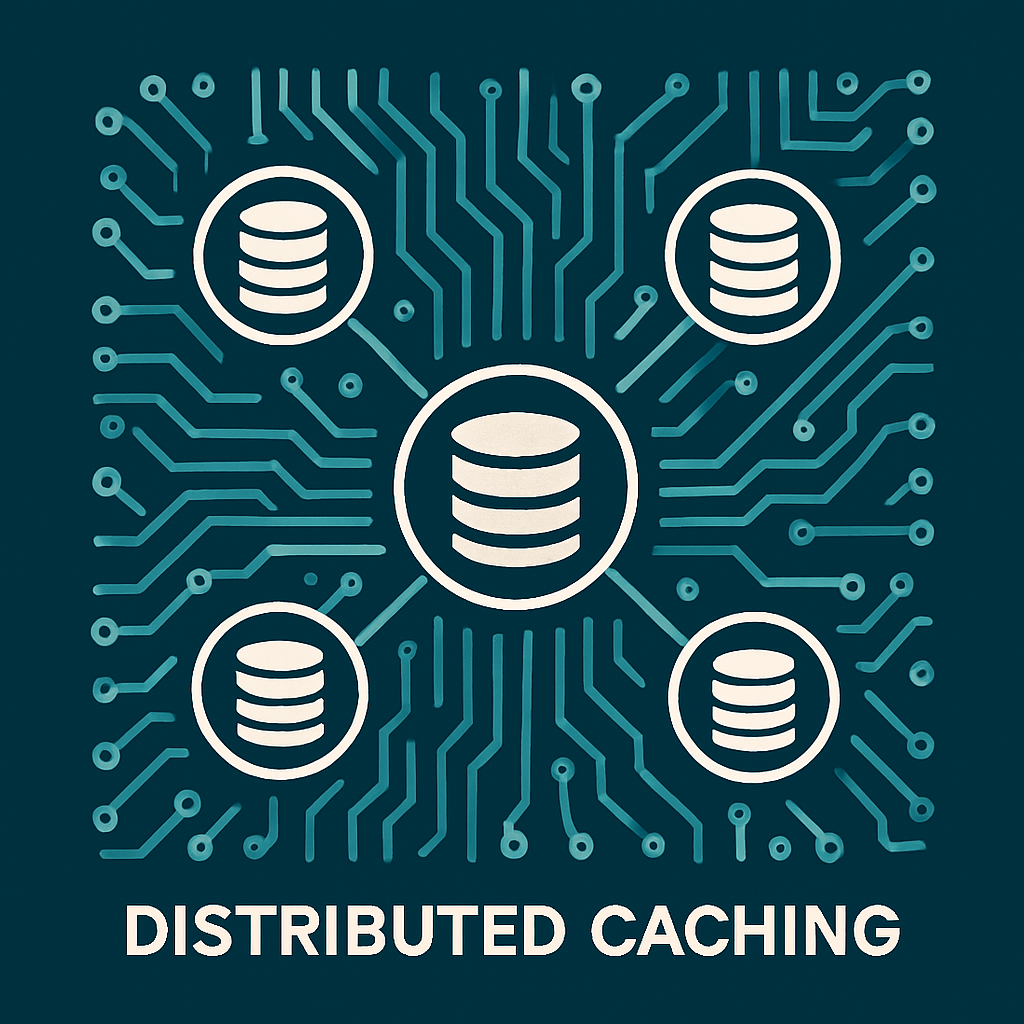
In a distributed system, such as a microservices architecture, optimizing database queries is crucial. Consider a scenario where a service needs to aggregate data from multiple sources:
In this architecture, Service A might need to join data from Database A and Database B. Using efficient joins and CTEs can reduce the load on the databases and improve response times.
Pros, Cons, and Challenges
- Joins: Pros include powerful data combination capabilities; cons include potential performance degradation with large datasets.
- Subqueries: Pros include logical separation; cons include potential for repeated execution and performance issues.
- CTEs: Pros include improved readability and potential performance gains; cons include limited support in some database systems.
Best Practices and Recommendations
- Analyze Query Plans: Use tools like
EXPLAINto understand how your queries are executed and identify bottlenecks. - Indexing: Ensure that your tables are properly indexed to support the queries you run frequently.
- Avoid Over-Joining: Be cautious with joins across large tables; consider denormalization or caching.
- Use CTEs Wisely: Leverage CTEs for complex queries to improve readability and maintainability.
Common Mistakes Engineers Make
- Overusing joins without considering the impact on performance.
- Neglecting to analyze query execution plans.
- Failing to index columns used in joins or subqueries.
When NOT to Use This Approach
- Avoid complex joins in real-time systems where latency is critical.
- Refrain from using subqueries when a simple join or CTE would suffice.
- Be cautious with CTEs in databases with limited support or optimization capabilities.
How This Impacts System Design Interviews
Understanding query optimization is crucial in system design interviews. It demonstrates your ability to build scalable systems and optimize performance, a key skill for senior engineering roles.
Future Outlook
As databases evolve, new optimization techniques and tools will emerge. Staying updated with the latest advancements and continuously refining your skills will be essential for building efficient, scalable systems.
Conclusion
Database query optimization is a critical skill for modern software engineers. By mastering joins, subqueries, and CTEs, you can significantly enhance the performance of your applications. As we move further into the era of real-time data processing, these skills will be invaluable in building the next generation of high-performance systems.
By understanding and applying these concepts, you'll be well-equipped to tackle the challenges of database query optimization in today's fast-paced tech landscape.