Kubernetes Custom Resource Definitions: Extending the API for Modern DevOps
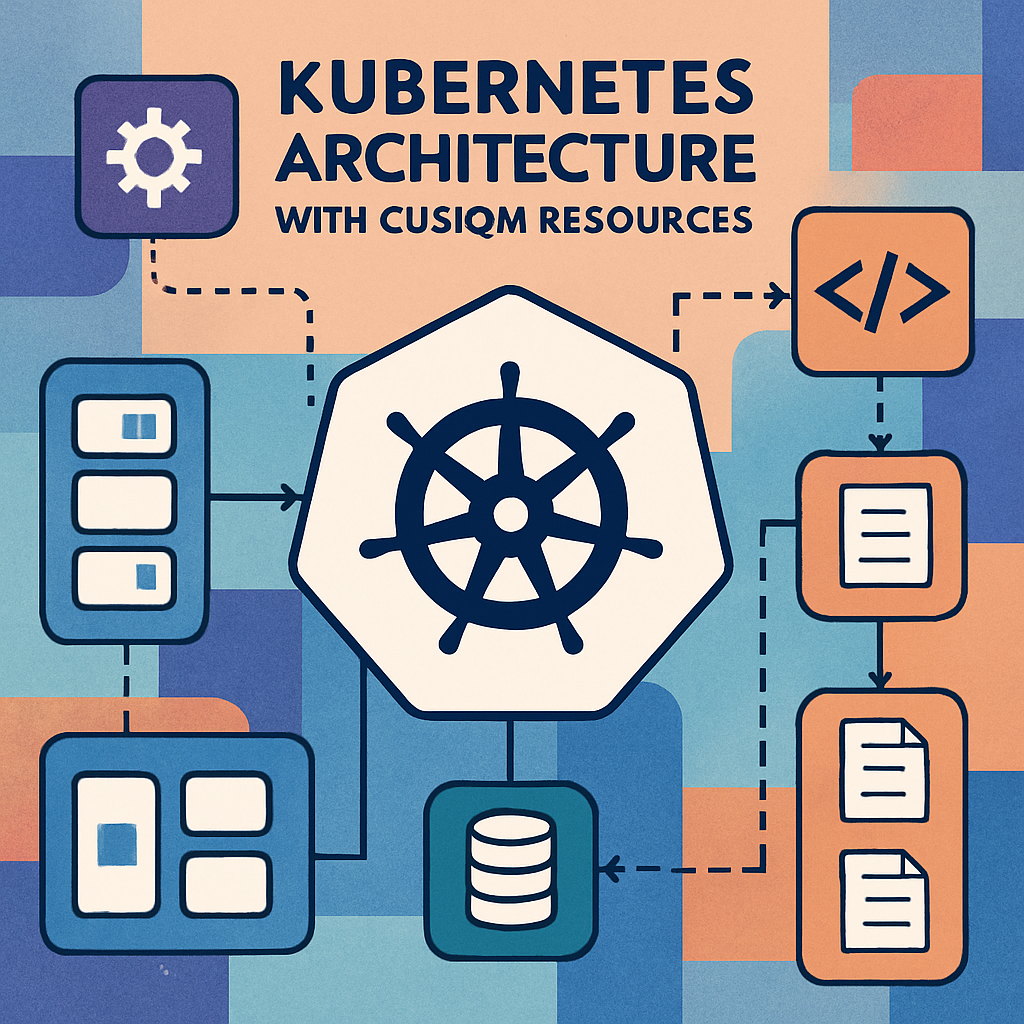
In the ever-evolving landscape of cloud-native applications, Kubernetes has emerged as the de facto standard for container orchestration. However, as systems grow in complexity, the need to extend Kubernetes' capabilities becomes paramount. Enter Kubernetes Custom Resource Definitions (CRDs), a powerful feature that allows developers to define their own resources and extend the Kubernetes API. This post delves into why CRDs are essential in 2025, how they can be effectively implemented, and the best practices to follow.
Why CRDs Matter Now
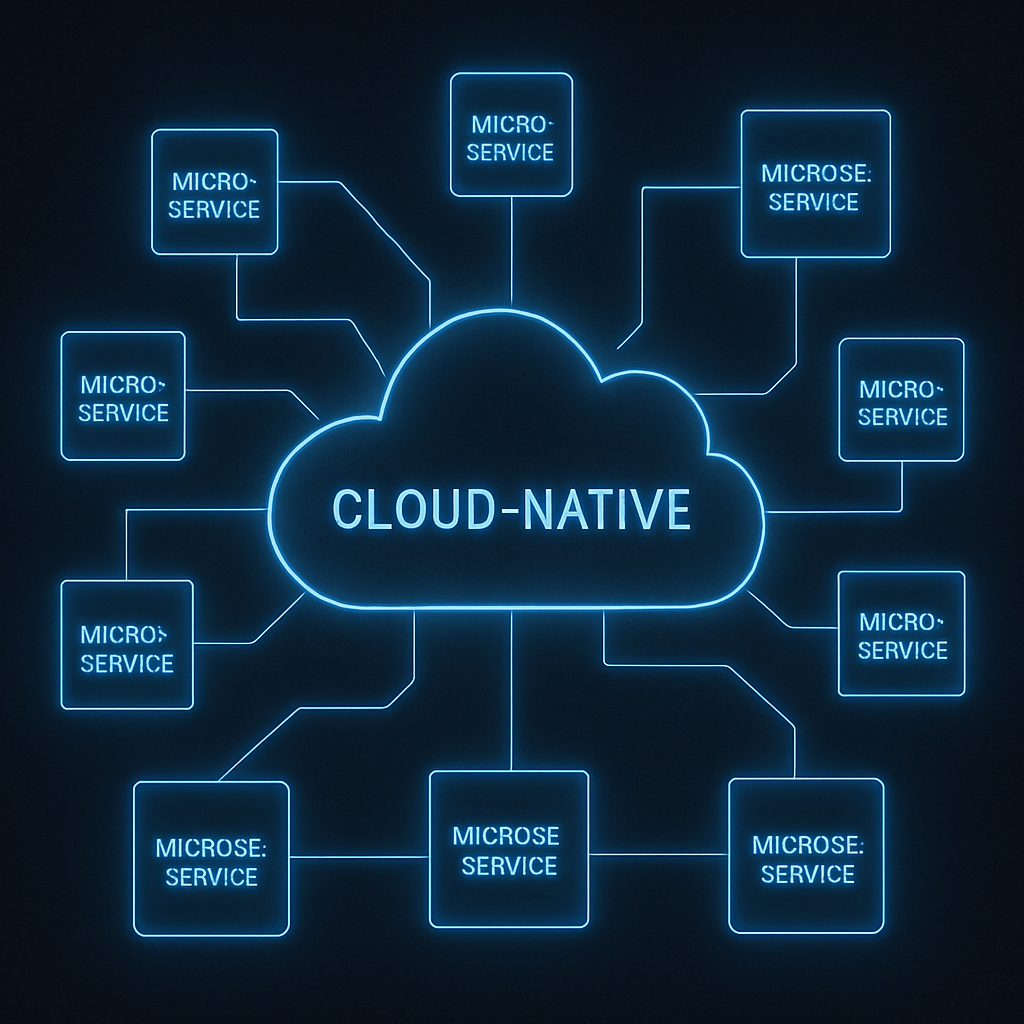
As we step into 2025, the demand for highly customized and scalable solutions has never been higher. Organizations are increasingly adopting microservices architectures, leveraging the cloud for agility and scalability. Kubernetes, while robust, offers a generic set of resources that may not fit every use case. CRDs allow teams to define custom resources that align with their specific business logic, enabling more efficient and tailored solutions.
Moreover, with the rise of AI-driven applications and edge computing, the ability to extend Kubernetes to handle unique workloads and data flows is crucial. CRDs provide the flexibility needed to integrate these advanced technologies seamlessly into existing Kubernetes clusters.
Deep Dive into CRDs
What are CRDs?
Custom Resource Definitions allow you to create your own resource types in Kubernetes. These resources behave like native Kubernetes objects, complete with their own API endpoints. This means you can manage them using the same kubectl commands you use for built-in resources.
Example: Defining a Custom Resource
Let's consider a scenario where you need to manage a fleet of IoT devices. A CRD can be defined to represent each device, capturing specific attributes like device ID, status, and configuration.
apiVersion: apiextensions.k8s.io/v1
kind: CustomResourceDefinition
metadata:
  name: devices.iot.example.com
spec:
  group: iot.example.com
  versions:
    - name: v1
      served: true
      storage: true
  scope: Namespaced
  names:
    plural: devices
    singular: device
    kind: Device
    shortNames:
    - dev
Real-World Use Cases
-
AI Model Management: Companies are using CRDs to manage AI models as first-class citizens in Kubernetes. This includes versioning, deployment, and monitoring of models.
-
Multi-Tenancy: CRDs can define tenant-specific resources, enabling isolation and management of resources across different tenants in a shared cluster.
-
Custom Workflows: Organizations implement CRDs to define complex workflows that are not natively supported by Kubernetes, such as data processing pipelines.
Architecture Pattern
Pros, Cons, and Challenges
Pros
- Flexibility: Tailor Kubernetes to fit specific business needs.
- Scalability: Manage complex systems with custom logic.
- Integration: Seamlessly integrate with external systems and workflows.
Cons
- Complexity: Increases the complexity of the Kubernetes environment.
- Maintenance: Requires ongoing maintenance and updates.
- Learning Curve: Steeper learning curve for teams new to Kubernetes.
Challenges
- Versioning: Managing versions of CRDs can be challenging, especially in large teams.
- Validation: Ensuring data integrity and validation for custom resources requires additional effort.
Best Practices / Recommendations
- Version Your CRDs: Always version your CRDs to manage changes and backward compatibility.
- Use Validation Schemas: Define validation schemas to ensure data integrity.
- Leverage Operators: Use Kubernetes Operators to automate the management of custom resources.
- Monitor and Log: Implement robust monitoring and logging for custom controllers.
Common Mistakes Engineers Make
- Ignoring Validation: Failing to implement validation schemas can lead to data inconsistencies.
- Over-Engineering: Creating overly complex CRDs that are difficult to manage and maintain.
- Neglecting Documentation: Poor documentation can lead to misunderstandings and misuse of CRDs.
When NOT to Use This Approach
- Simple Use Cases: For straightforward applications, native Kubernetes resources may suffice.
- Limited Resources: If your team lacks the expertise or resources to maintain CRDs, it might be best to avoid them.
How This Impacts System Design Interviews
Understanding CRDs can set you apart in system design interviews, showcasing your ability to extend and customize Kubernetes for complex scenarios. Be prepared to discuss trade-offs and demonstrate how CRDs can solve specific problems.
Future Outlook
As Kubernetes continues to evolve, the role of CRDs will likely expand. We can expect more sophisticated tooling and frameworks to emerge, simplifying the creation and management of custom resources. Additionally, as AI and edge computing become more prevalent, CRDs will play a crucial role in integrating these technologies into Kubernetes environments.
Conclusion
Kubernetes Custom Resource Definitions offer a powerful way to extend the Kubernetes API, enabling tailored solutions for complex systems. By understanding the benefits, challenges, and best practices associated with CRDs, engineers can leverage this feature to build scalable, efficient, and future-proof applications. As we move further into the cloud-native era, mastering CRDs will be an invaluable skill for any DevOps engineer.
By embracing CRDs, you're not just extending Kubernetes; you're future-proofing your infrastructure for the challenges and opportunities of tomorrow.