
Kubernetes Cost Optimization: Rightsizing and Spot Instances
In the ever-evolving landscape of cloud computing, Kubernetes has emerged as a cornerstone for deploying and managing containerized applications. However, as organizations scale their Kubernetes clusters, managing costs becomes a critical concern. Enter rightsizing and spot instances—two powerful strategies for optimizing Kubernetes costs without compromising performance.

Why This Topic Matters NOW
As we move into 2025 and beyond, the demand for efficient cloud resource management is at an all-time high. With the proliferation of AI-driven applications and microservices architectures, Kubernetes clusters are growing in complexity and size. This growth, while beneficial for scalability and agility, often leads to inflated cloud bills. Rightsizing and spot instances offer a timely solution to this challenge, enabling organizations to maintain cost-effective operations.
Deep Dive into Concepts
Rightsizing
Rightsizing involves adjusting the resource allocations of your Kubernetes workloads to match their actual usage. This means ensuring that your pods and nodes are neither over-provisioned nor under-provisioned. Over-provisioning leads to wasted resources and increased costs, while under-provisioning can degrade application performance.
Example
Consider a microservices architecture where each service is deployed as a separate pod. If a service consistently uses only 50% of its allocated CPU and memory, rightsizing would involve reducing its resource requests and limits to better align with its usage.
apiVersion: v1
kind: Pod
metadata:
  name: example-pod
spec:
  containers:
  - name: example-container
    image: example-image
    resources:
      requests:
        memory: "256Mi"
        cpu: "250m"
      limits:
        memory: "512Mi"
        cpu: "500m"
Spot Instances
Spot instances are a cost-effective way to run non-critical workloads by taking advantage of unused cloud capacity. These instances are available at a fraction of the cost of regular instances but come with the caveat that they can be terminated by the cloud provider with little notice.
Example
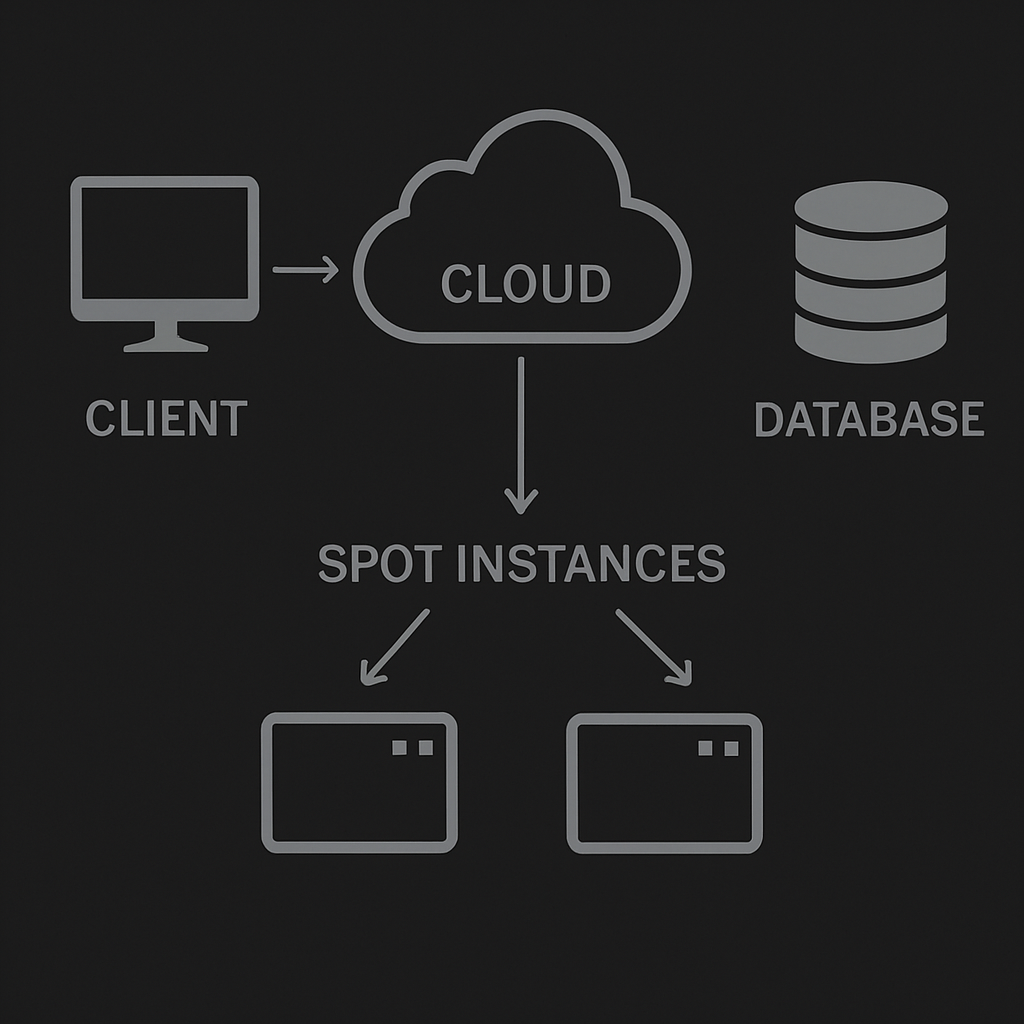
In a Kubernetes cluster, you can use spot instances for batch processing jobs or CI/CD pipelines where interruptions are acceptable. By configuring your cluster to use spot instances for these workloads, you can significantly reduce costs.
apiVersion: apps/v1
kind: Deployment
metadata:
  name: spot-deployment
spec:
  replicas: 3
  template:
    spec:
      nodeSelector:
        cloud.google.com/gke-preemptible: "true"
      containers:
      - name: spot-container
        image: spot-image
Real-World Use Cases and Architecture Patterns
Use Case: E-commerce Platform
An e-commerce platform with fluctuating traffic patterns can benefit from rightsizing by dynamically adjusting resource allocations based on real-time usage metrics. During peak shopping seasons, the platform can scale up resources, while scaling down during off-peak times.
Architecture Pattern: Hybrid Cluster
A hybrid Kubernetes cluster that combines on-demand and spot instances can optimize costs while maintaining reliability. Critical workloads run on on-demand instances, while less critical workloads leverage spot instances.
Pros, Cons, and Challenges
Pros
- Cost Savings: Both rightsizing and spot instances can lead to significant cost reductions.
- Scalability: These strategies support dynamic scaling based on workload demands.
Cons
- Complexity: Implementing these strategies requires careful planning and monitoring.
- Reliability: Spot instances can be terminated unexpectedly, which may not be suitable for all workloads.
Challenges
- Monitoring: Continuous monitoring is essential to ensure that rightsizing adjustments are effective.
- Automation: Automating the use of spot instances requires robust orchestration tools.
Best Practices / Recommendations
- Use Monitoring Tools: Leverage tools like Prometheus and Grafana to monitor resource usage and make informed rightsizing decisions.
- Automate Spot Instance Usage: Use Kubernetes operators or cloud provider tools to automate the management of spot instances.
- Test Thoroughly: Before implementing these strategies in production, conduct thorough testing to understand their impact on your workloads.
Future Outlook
As cloud providers continue to enhance their offerings, we can expect more sophisticated tools for cost optimization. AI-driven resource management and predictive scaling are likely to become integral to Kubernetes cost optimization strategies.
Conclusion with Key Takeaways
Kubernetes cost optimization through rightsizing and spot instances is a powerful approach to managing cloud expenses. By aligning resource allocations with actual usage and leveraging cost-effective spot instances, organizations can achieve significant savings. However, these strategies require careful planning, monitoring, and automation to be effective. As we look to the future, the integration of AI and advanced orchestration tools will further enhance these capabilities, making cost optimization an essential aspect of Kubernetes management.
Common Mistakes Engineers Make
- Ignoring Usage Patterns: Failing to analyze and understand workload usage patterns can lead to ineffective rightsizing.
- Over-reliance on Spot Instances: Relying too heavily on spot instances for critical workloads can lead to disruptions.
When NOT to Use This Approach
- Highly Critical Workloads: Avoid using spot instances for workloads that cannot tolerate interruptions.
- Static Workloads: Rightsizing is less beneficial for workloads with consistent and predictable resource usage.
How This Impacts System Design Interviews
Understanding cost optimization strategies like rightsizing and spot instances can set you apart in system design interviews. Demonstrating knowledge of efficient resource management and cost-effective architecture patterns is highly valued by employers.
By embracing these strategies, engineers can not only optimize costs but also enhance the scalability and efficiency of their Kubernetes deployments.