
How to Approach Optimization Problems Without Brute Force
In the ever-evolving world of software engineering, optimization problems are a constant challenge. As systems grow in complexity, the brute force approach—trying every possible solution until the best one is found—becomes increasingly impractical. This blog post explores how to tackle optimization problems efficiently, leveraging modern techniques and tools.

Why This Topic Matters NOW
As we move into 2025 and beyond, the demand for high-performance, scalable systems is at an all-time high. With the proliferation of microservices, cloud computing, and AI, engineers must optimize systems to handle massive data volumes and user requests. Brute force methods are not only inefficient but can also lead to increased costs and resource consumption. Understanding alternative approaches is crucial for building robust systems that meet today's demands.
Deep Dive into Concepts
Dynamic Programming and Greedy Algorithms
Dynamic programming (DP) and greedy algorithms are powerful techniques for solving optimization problems. DP breaks problems into subproblems, solving each once and storing the results. This approach is ideal for problems with overlapping subproblems and optimal substructure, such as the knapsack problem.
// Example of a simple DP solution in Java for the Fibonacci sequence
public class Fibonacci {
    public static int fib(int n) {
        int[] dp = new int[n + 1];
        dp[0] = 0;
        dp[1] = 1;
        for (int i = 2; i <= n; i++) {
            dp[i] = dp[i - 1] + dp[i - 2];
        }
        return dp[n];
    }
}
Greedy algorithms, on the other hand, make the locally optimal choice at each step, hoping to find a global optimum. They are suitable for problems like activity selection and Huffman coding.
Heuristic and Metaheuristic Approaches
Heuristic methods provide good-enough solutions quickly, often used in scenarios where exact solutions are computationally expensive. Metaheuristic algorithms like Genetic Algorithms and Simulated Annealing are inspired by natural processes and are effective for complex optimization problems.
Real-World Use Cases
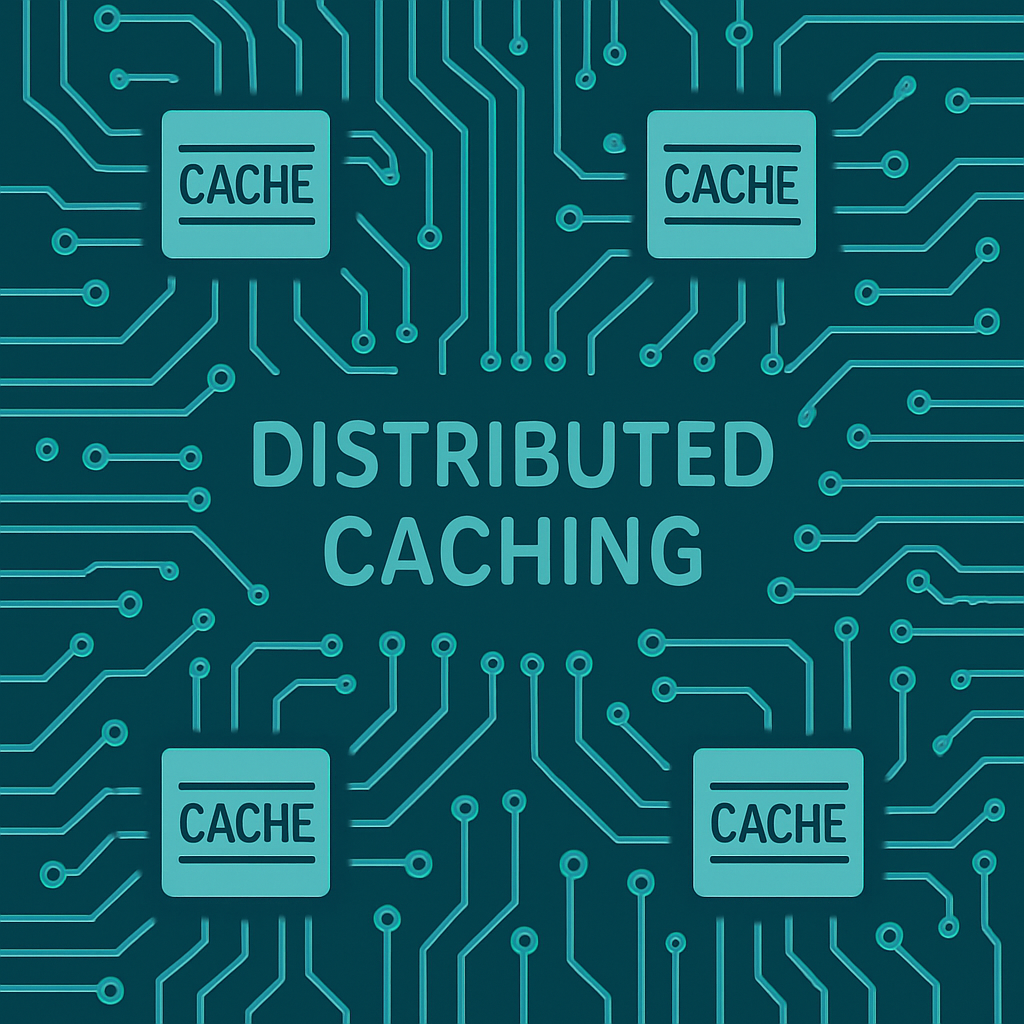
In microservices architecture, optimizing API response times is critical. Load balancing and caching strategies can significantly reduce latency. Consider a system where multiple services interact:
In this architecture, caching frequently accessed data can reduce database load, while load balancing ensures even distribution of requests across services.
Common Mistakes Engineers Make
- Over-Optimization: Spending excessive time on optimization can lead to diminishing returns. Focus on areas with the most significant impact.
- Ignoring Scalability: An optimized solution for a small dataset may not scale. Always consider future growth.
- Neglecting Profiling: Without profiling, it's challenging to identify bottlenecks. Use tools like JProfiler or VisualVM to analyze performance.
When NOT to Use This Approach
Avoid complex optimization techniques when:
- The problem size is small, and brute force is feasible.
- The cost of optimization outweighs the benefits.
- The system requirements are not performance-critical.
How This Impacts System Design Interviews
In system design interviews, demonstrating an understanding of optimization techniques can set you apart. Interviewers look for candidates who can balance trade-offs and make informed decisions. Discussing how you would optimize a system's performance shows depth of knowledge and practical experience.
Best Practices / Recommendations
- Start with Profiling: Identify bottlenecks before optimizing.
- Choose the Right Tool: Use DP for problems with overlapping subproblems, and greedy algorithms for problems with a clear local optimum.
- Iterate and Test: Continuously test your optimizations to ensure they meet performance goals.
Future Outlook
As AI and machine learning continue to advance, expect more sophisticated optimization techniques to emerge. These technologies will enable systems to self-optimize, reducing the need for manual intervention.
Conclusion with Key Takeaways
Optimization is a critical skill for modern software engineers. By moving beyond brute force methods, you can build efficient, scalable systems that meet the demands of today's tech landscape. Remember to profile first, choose the right approach, and continuously test your solutions.
In summary, understanding and applying advanced optimization techniques is essential for any engineer looking to excel in the field. As technology evolves, so too must our approaches to problem-solving.