How Hackers Use Dependency Vulnerabilities to Own Your App
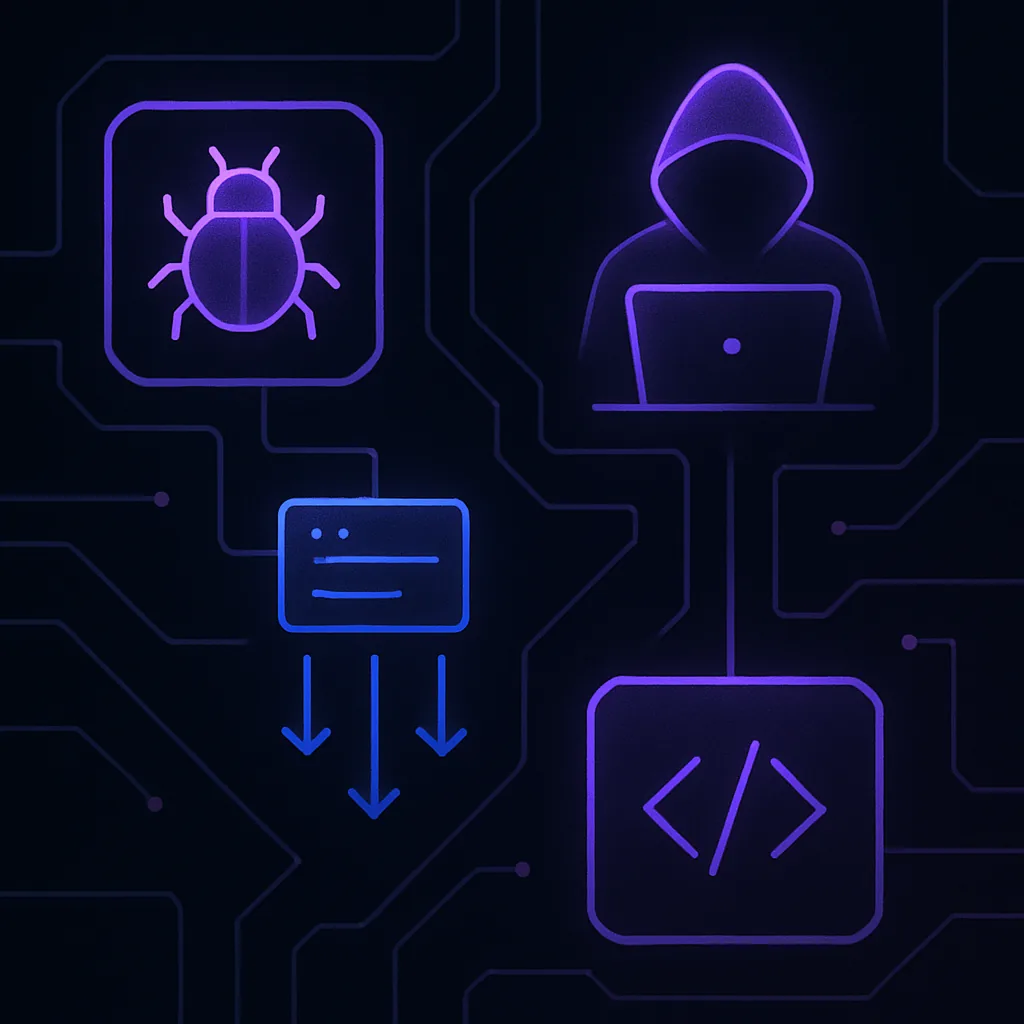
In the ever-evolving landscape of software development, dependency vulnerabilities have emerged as a critical threat vector. As we step into 2025–2026, the complexity of applications has increased, with microservices architectures and cloud-native solutions becoming the norm. This complexity, while offering flexibility and scalability, also introduces new security challenges. One of the most insidious threats is the exploitation of dependency vulnerabilities by hackers to gain control over your applications.

Why This Topic Matters Now
The rise of open-source software and third-party libraries has been a double-edged sword. While they accelerate development and reduce costs, they also introduce potential vulnerabilities. According to recent studies, over 80% of a modern application's codebase consists of third-party libraries. This reliance on external code means that a single vulnerability in a widely-used library can have far-reaching consequences.
In 2025–2026, the stakes are higher than ever. With the proliferation of IoT devices, AI-driven applications, and the increasing interconnectivity of systems, a breach can lead to catastrophic outcomes, including data theft, financial loss, and reputational damage.
Deep Dive into Concepts
Understanding Dependency Vulnerabilities
Dependency vulnerabilities occur when a library or framework used in your application has a security flaw. Hackers exploit these flaws to execute malicious code, escalate privileges, or exfiltrate sensitive data. The infamous Log4Shell vulnerability in the Log4j library is a prime example, where a simple logging library became a gateway for remote code execution attacks.
Real-World Use Cases
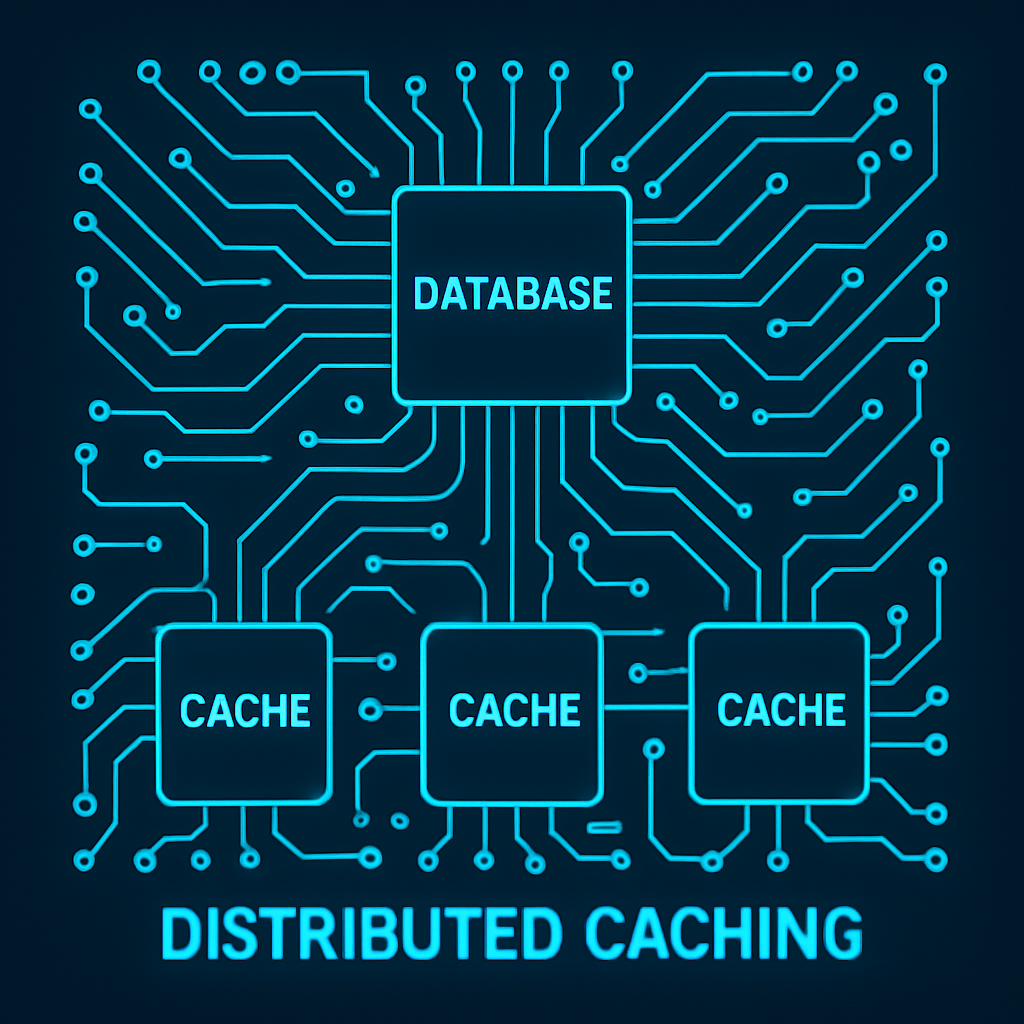
Consider a microservices architecture where each service relies on a set of libraries for functionality. If one of these libraries has a vulnerability, it can serve as an entry point for attackers. Here's a simplified diagram illustrating how a vulnerability in a shared library can impact multiple services:
In this scenario, a vulnerability in the shared library (A) can compromise all connected services (B, C, D), leading to a potential breach of the entire system.
Common Mistakes Engineers Make
- Ignoring Dependency Updates: Many engineers overlook the importance of regularly updating dependencies, leaving applications exposed to known vulnerabilities.
- Lack of Automated Scanning: Failing to implement automated tools for vulnerability scanning can result in missed threats.
- Overlooking Transitive Dependencies: Engineers often focus on direct dependencies, neglecting the transitive ones that can also harbor vulnerabilities.
When NOT to Use This Approach
While leveraging third-party libraries is often beneficial, there are scenarios where it might be prudent to avoid them:
- Critical Security Components: For components that handle sensitive data or critical security functions, consider building in-house solutions to maintain control over the codebase.
- Highly Customized Functionality: If a library requires extensive customization, the effort might outweigh the benefits, and a custom solution could be more efficient.
How This Impacts System Design Interviews
In system design interviews, understanding the implications of dependency vulnerabilities is crucial. Interviewers may assess your ability to design systems that are not only scalable and efficient but also secure. Demonstrating knowledge of dependency management and security best practices can set you apart.
Best Practices / Recommendations
- Implement Automated Dependency Scanning: Use tools like OWASP Dependency-Check, Snyk, or GitHub Dependabot to automate the detection of vulnerabilities.
- Regularly Update Dependencies: Establish a routine for updating libraries and frameworks to their latest secure versions.
- Adopt a Zero-Trust Architecture: Limit the impact of a potential breach by implementing a zero-trust model, where each component is independently secured.
- Conduct Regular Security Audits: Periodically review your codebase and dependencies for vulnerabilities and compliance with security standards.
Future Outlook
As we move forward, the landscape of dependency vulnerabilities will continue to evolve. AI-driven tools for vulnerability detection and automated patching are on the horizon, promising to enhance our ability to secure applications. However, the arms race between developers and hackers will persist, necessitating continuous vigilance and adaptation.
Conclusion
Dependency vulnerabilities pose a significant threat to modern applications, but with the right strategies and tools, you can mitigate these risks. By staying informed, implementing best practices, and fostering a culture of security, you can protect your applications from being "owned" by malicious actors. Remember, security is not a one-time effort but an ongoing commitment to safeguarding your systems and data.