Harnessing AWS EventBridge for Scalable Event-Driven Architectures in the Cloud
The Challenge of Managing Complex Event Flows
Imagine your microservices architecture is buckling under the weight of synchronous communication. Latency spikes, cascading failures, and scaling bottlenecks are becoming the norm. This is a common scenario for many engineers dealing with tightly coupled systems. AWS EventBridge offers a compelling solution by enabling event-driven architectures that decouple services and enhance scalability.
Context and Assumptions
This post assumes familiarity with AWS services, particularly AWS Lambda, S3, and DynamoDB. We are working with a microservices architecture handling approximately 5,000 requests per second, deployed across multiple AWS regions. The focus is on Java 17 and Spring Boot 3.0 applications. Out of scope are non-AWS cloud providers and non-Java stacks.
Why Event-Driven Architectures Matter Now
As we move into 2025 and beyond, the demand for systems that can handle massive scale and unpredictable loads is increasing. Event-driven architectures are not just a trend; they are becoming a necessity. AWS EventBridge, with its ability to seamlessly integrate with a wide array of AWS services and third-party applications, is at the forefront of this shift. It allows for real-time processing and responsiveness, which are critical in today's fast-paced digital environment.
Implementing AWS EventBridge: A Step-by-Step Guide
-
Define Your Event Sources: Start by identifying the services that will emit events. These could be AWS services like S3 or custom applications. Configure these sources in EventBridge to ensure they can publish events to the event bus.
-
Create an Event Bus: Set up a custom event bus in EventBridge. This bus acts as the central hub for all your events. It allows you to segregate events logically, which is crucial for maintaining order and security.
-
Set Up Event Rules: Define rules that determine how events are processed. Rules can filter events based on content and route them to specific targets like AWS Lambda functions or SQS queues. This step is critical for ensuring that only relevant events trigger downstream processes.
yaml
   # Example EventBridge rule configuration
   EventPattern:
     source:
       - "com.myapp.service"
     detail-type:
       - "OrderCreated"
   Targets:
     - Arn: "arn:aws:lambda:us-east-1:123456789012:function:ProcessOrder"
-
Integrate with AWS Lambda: Use Lambda functions to process events. This serverless approach allows for automatic scaling and reduces the need for manual infrastructure management.
-
Monitor and Optimize: Utilize AWS CloudWatch to monitor event flow and performance. Adjust rules and targets as needed to optimize for cost and efficiency.
Real-world Use Cases or Architecture Patterns
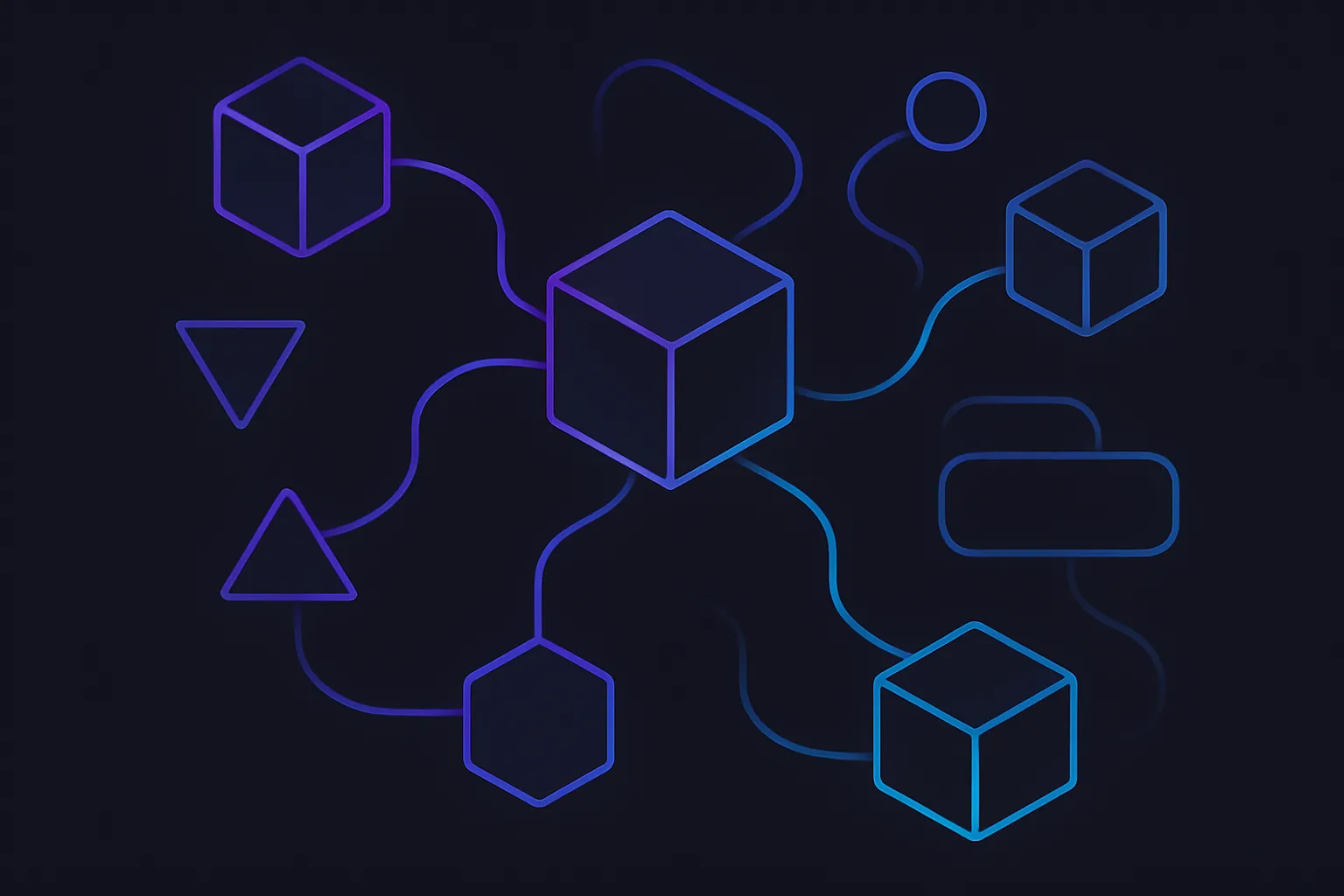
Many companies leverage EventBridge to implement event-driven patterns such as CQRS (Command Query Responsibility Segregation) and Saga patterns. For instance, a retail company might use EventBridge to handle order processing, where each step (order creation, payment processing, inventory update) is managed by separate microservices communicating through events.
Common Mistakes Engineers Make
- Overcomplicating Event Patterns: Engineers often create overly complex event patterns that are hard to manage and debug. Keep it simple and only use complex patterns when absolutely necessary.
- Ignoring Security: Failing to implement proper IAM roles and permissions can lead to unauthorized access and data leaks.
- Neglecting Monitoring: Without proper monitoring, it's challenging to identify bottlenecks and failures in the event flow.
Trade-offs and When NOT to Use This Approach
While EventBridge is powerful, it may not be suitable for all scenarios. For applications requiring low-latency, high-throughput processing, such as real-time gaming or financial trading, the inherent latency of event-driven systems might be a drawback. Additionally, the cost can escalate with high event volumes, so it's crucial to evaluate the cost-benefit ratio.
How This Impacts System Design Interviews
Understanding event-driven architectures and AWS EventBridge can significantly enhance your system design interview performance. It demonstrates your ability to design scalable, decoupled systems and your familiarity with modern cloud-native solutions. Be prepared to discuss trade-offs and justify your architectural choices.
Key Takeaways for Monday Morning
- Evaluate Your Current Architecture: Identify areas where event-driven patterns could reduce coupling and improve scalability.
- Experiment with EventBridge: Set up a small-scale prototype to understand its capabilities and limitations.
- Simplify Event Patterns: Start with straightforward patterns and iterate as needed.
- Implement Robust Monitoring: Use CloudWatch to gain insights into your event flows.
- Consider Cost Implications: Analyze the cost impact of moving to an event-driven architecture with EventBridge.