GitOps vs Traditional CI/CD: When Each Approach Makes Sense
In the ever-evolving landscape of software development, the debate between GitOps and traditional CI/CD has become increasingly relevant. As organizations strive to enhance their deployment strategies, understanding the nuances of these approaches is crucial. This blog post delves into the core differences, real-world applications, and best practices for GitOps and traditional CI/CD, helping you make informed decisions for your projects.
Why This Topic Matters Now
As we move into 2025 and beyond, the demand for rapid, reliable, and scalable software delivery has never been higher. With the rise of microservices, cloud-native architectures, and the need for continuous deployment, choosing the right approach can significantly impact your team's efficiency and your product's success. GitOps and traditional CI/CD offer distinct methodologies, each with its own strengths and challenges.
Understanding GitOps and Traditional CI/CD
GitOps: A Declarative Approach
GitOps is a paradigm that uses Git as the single source of truth for both application and infrastructure code. It leverages Git's version control capabilities to manage and automate deployments, ensuring that the desired state of the system is always reflected in the Git repository.
Example
Consider a Kubernetes-based microservices architecture. With GitOps, you define your desired state in YAML files stored in a Git repository. A GitOps operator, such as ArgoCD or Flux, continuously monitors the repository and applies changes to the cluster, ensuring that the live environment matches the declared state.
Traditional CI/CD: A Procedural Approach
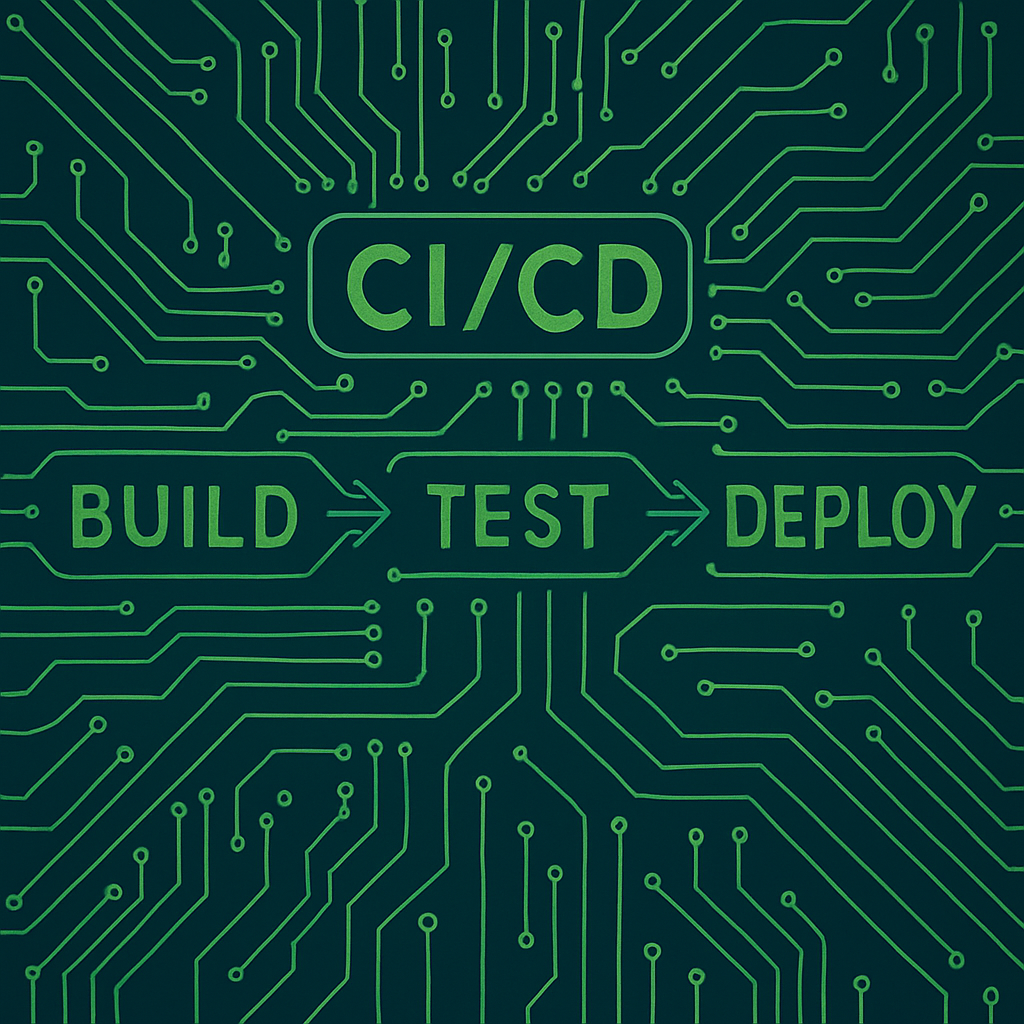
Traditional CI/CD pipelines involve a series of automated steps to build, test, and deploy applications. These pipelines are often defined using tools like Jenkins, GitLab CI, or CircleCI, and they focus on automating the entire software delivery lifecycle.
Example
In a traditional CI/CD setup, a Java Spring Boot application might be built using Maven, tested with JUnit, and deployed to a cloud environment using a series of scripted steps in Jenkins.
Real-World Use Cases and Architecture Patterns
When to Use GitOps
- Cloud-Native Applications: GitOps excels in environments where infrastructure is defined as code, such as Kubernetes.
- Microservices Architectures: The declarative nature of GitOps simplifies managing complex microservices deployments.
- High Compliance Requirements: GitOps provides an audit trail of changes, making it ideal for industries with strict compliance needs.
When to Use Traditional CI/CD
- Monolithic Applications: Traditional CI/CD pipelines are well-suited for applications with fewer deployment components.
- Legacy Systems: For systems not designed with cloud-native principles, traditional CI/CD offers a more straightforward integration path.
- Custom Deployment Logic: When deployments require complex, custom logic, traditional CI/CD provides the flexibility needed.
Pros, Cons, and Challenges
GitOps
Pros:
- Strong auditability and traceability
- Simplified rollback and recovery
- Consistent environments across deployments
Cons:
- Steeper learning curve for teams new to Kubernetes
- Limited support for non-cloud-native applications
Traditional CI/CD
Pros:
- Mature ecosystem with extensive tooling support
- Flexibility to handle diverse application types
- Easier onboarding for teams familiar with procedural workflows
Cons:
- Can become complex and hard to manage at scale
- Less inherent traceability compared to GitOps
Best Practices and Recommendations
- For GitOps: Ensure your team is well-versed in Kubernetes and infrastructure as code. Use tools like ArgoCD for seamless integration.
- For Traditional CI/CD: Focus on modularizing your pipeline to improve maintainability. Leverage containerization to enhance consistency across environments.
Common Mistakes Engineers Make
- GitOps: Overcomplicating YAML configurations and not leveraging Git branches effectively.
- Traditional CI/CD: Creating monolithic pipelines that are difficult to debug and maintain.
When NOT to Use This Approach
- GitOps: Avoid for applications that do not fit well with declarative infrastructure management.
- Traditional CI/CD: Avoid for highly dynamic environments where infrastructure changes frequently.
How This Impacts System Design Interviews
Understanding these approaches can significantly impact your performance in system design interviews. Demonstrating knowledge of when and how to apply GitOps or traditional CI/CD can showcase your ability to design scalable and efficient systems.
Future Outlook
As the industry continues to evolve, we can expect further convergence of these approaches. Hybrid models that combine the strengths of both GitOps and traditional CI/CD are likely to emerge, offering even more flexibility and power.
Conclusion
Choosing between GitOps and traditional CI/CD depends on your specific use case, team expertise, and project requirements. By understanding the strengths and limitations of each approach, you can make informed decisions that align with your organization's goals. As we look to the future, staying adaptable and open to new methodologies will be key to success in the ever-changing world of software development.