
GitHub Stars Don't Pay Bills: Monetizing Open Source Work
In the world of software development, open source projects are the backbone of innovation. They fuel the tech industry, providing the building blocks for countless applications and systems. However, while GitHub stars and community recognition are gratifying, they don't pay the bills. As we move into 2025 and 2026, the question of how to monetize open source work has become more pressing than ever.
Why This Topic Matters Now
The landscape of software development is rapidly evolving. With the rise of cloud-native architectures, microservices, and AI-driven solutions, the demand for robust open source tools has skyrocketed. Yet, the sustainability of these projects often hinges on the financial viability for their maintainers. As more engineers look to contribute to open source, understanding how to monetize these efforts is crucial for both personal and project sustainability.
Deep Dive into Concepts
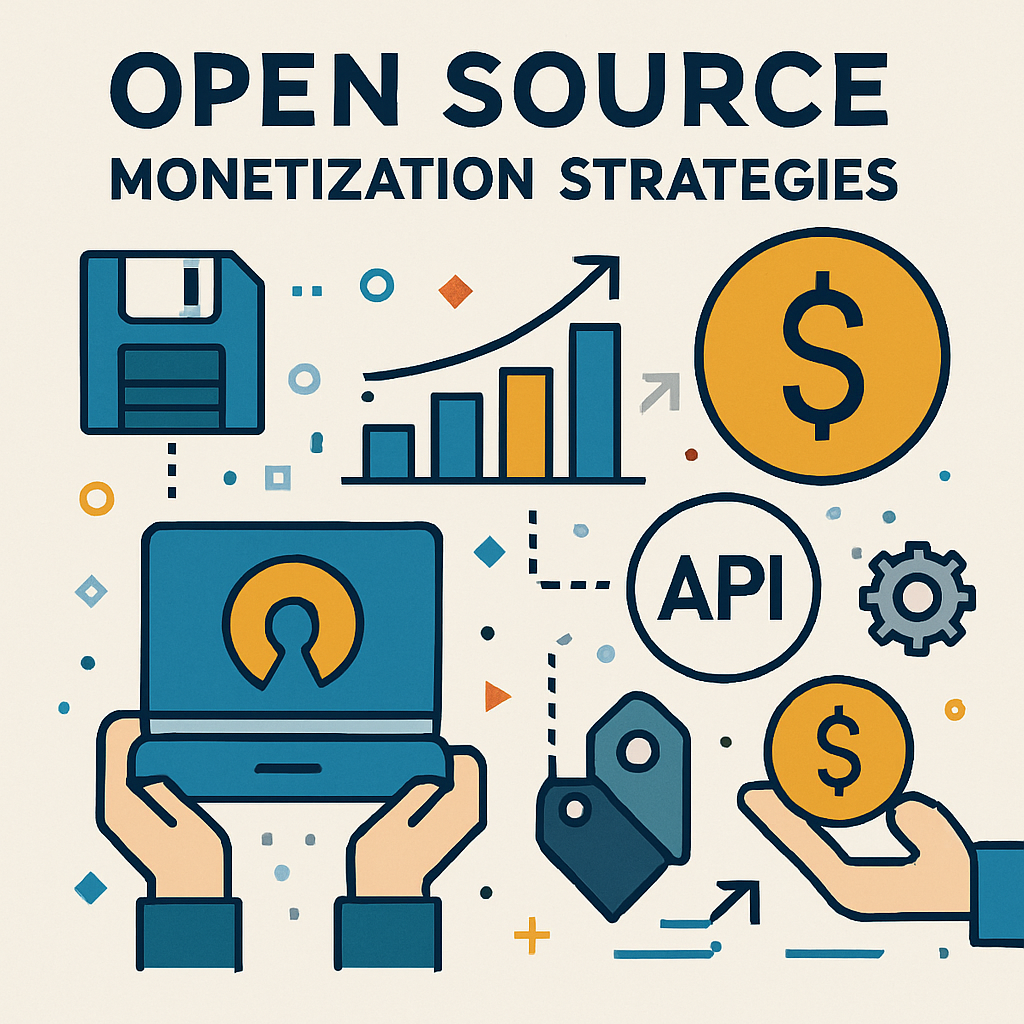
Monetization Strategies
-
Dual Licensing: Offer your software under an open source license for community use and a commercial license for enterprises. This approach allows companies to use your software with additional features or support, generating revenue.
-
SaaS Model: Transform your open source project into a Software as a Service (SaaS). This involves hosting the software and offering it as a subscription service, providing convenience and additional features.
-
Consulting and Support: Leverage your expertise in the open source project to offer consulting services or premium support. Companies often require assistance in integrating or customizing open source solutions.
-
Crowdfunding and Sponsorships: Platforms like Patreon or GitHub Sponsors enable developers to receive financial support from the community. This model relies on building a strong community that values your contributions.
Real-World Use Cases
Example: Elastic's Dual Licensing
Elastic, the company behind Elasticsearch, adopted a dual licensing model. They offer their software under the Server Side Public License (SSPL) for open source use and a commercial license for enterprises. This strategy has allowed them to monetize their open source work effectively while maintaining community engagement.
Example: Red Hat's OpenShift
Red Hat's OpenShift is a prime example of transforming an open source project into a SaaS offering. By providing a managed Kubernetes platform, Red Hat offers additional value through ease of use and enterprise-grade support, generating substantial revenue.

Pros, Cons, and Challenges
Pros
- Sustainability: Monetization provides a financial foundation for continued development and innovation.
- Increased Adoption: Offering commercial licenses or services can lead to wider adoption among enterprises.
- Community Engagement: Crowdfunding and sponsorships can strengthen community ties and support.
Cons
- Complex Licensing: Dual licensing can complicate legal and compliance aspects.
- Resource Intensive: Transforming a project into a SaaS requires significant infrastructure and operational resources.
- Dependency on Community: Crowdfunding relies heavily on community goodwill, which can be unpredictable.
Challenges
- Balancing Open Source Ethos: Monetization strategies must align with the open source philosophy to avoid alienating the community.
- Market Competition: Competing with established commercial solutions can be daunting.
Best Practices / Recommendations
- Clear Licensing: Ensure your licensing terms are clear and easily understood to avoid legal complications.
- Community Building: Engage with your community regularly to build trust and support for monetization efforts.
- Value Addition: Focus on adding value through premium features or services that justify the cost to enterprises.
Future Outlook
As the software industry continues to evolve, the importance of sustainable open source projects will only grow. We can expect to see more innovative monetization models emerge, driven by the need for financial viability and community support. The integration of AI and machine learning into open source projects may also open new avenues for monetization.
Common Mistakes Engineers Make
- Ignoring Licensing Nuances: Overlooking the complexities of dual licensing can lead to legal issues.
- Underestimating Infrastructure Needs: Transitioning to a SaaS model requires robust infrastructure, which is often underestimated.
- Neglecting Community Feedback: Failing to consider community input can lead to backlash and reduced support.
When NOT to Use This Approach
- Small-Scale Projects: Monetization efforts may not be viable for small projects with limited user bases.
- Community-Driven Projects: If the project's success heavily relies on community contributions, aggressive monetization might deter contributors.
How This Impacts System Design Interviews
Understanding monetization strategies can be a valuable asset in system design interviews. It demonstrates a holistic understanding of software development, beyond just technical skills. Interviewers may be interested in how you would design a system that supports both open source and commercial use cases, highlighting your ability to balance technical and business considerations.
Conclusion
Monetizing open source work is a complex but necessary endeavor for many developers. By exploring various strategies and understanding their implications, engineers can ensure the sustainability of their projects while contributing to the broader tech ecosystem. As we look to the future, the ability to balance open source ideals with financial realities will be key to the continued success of open source software.