Digital Twins and the Future of Software Simulation
In the ever-evolving landscape of software engineering, the concept of digital twins is emerging as a game-changer. Imagine having a virtual replica of a physical system that allows you to simulate, analyze, and optimize without the constraints of the real world. This is not science fiction; it's the reality of digital twins, and it's reshaping how we approach software simulation.
Why Digital Twins Matter Now
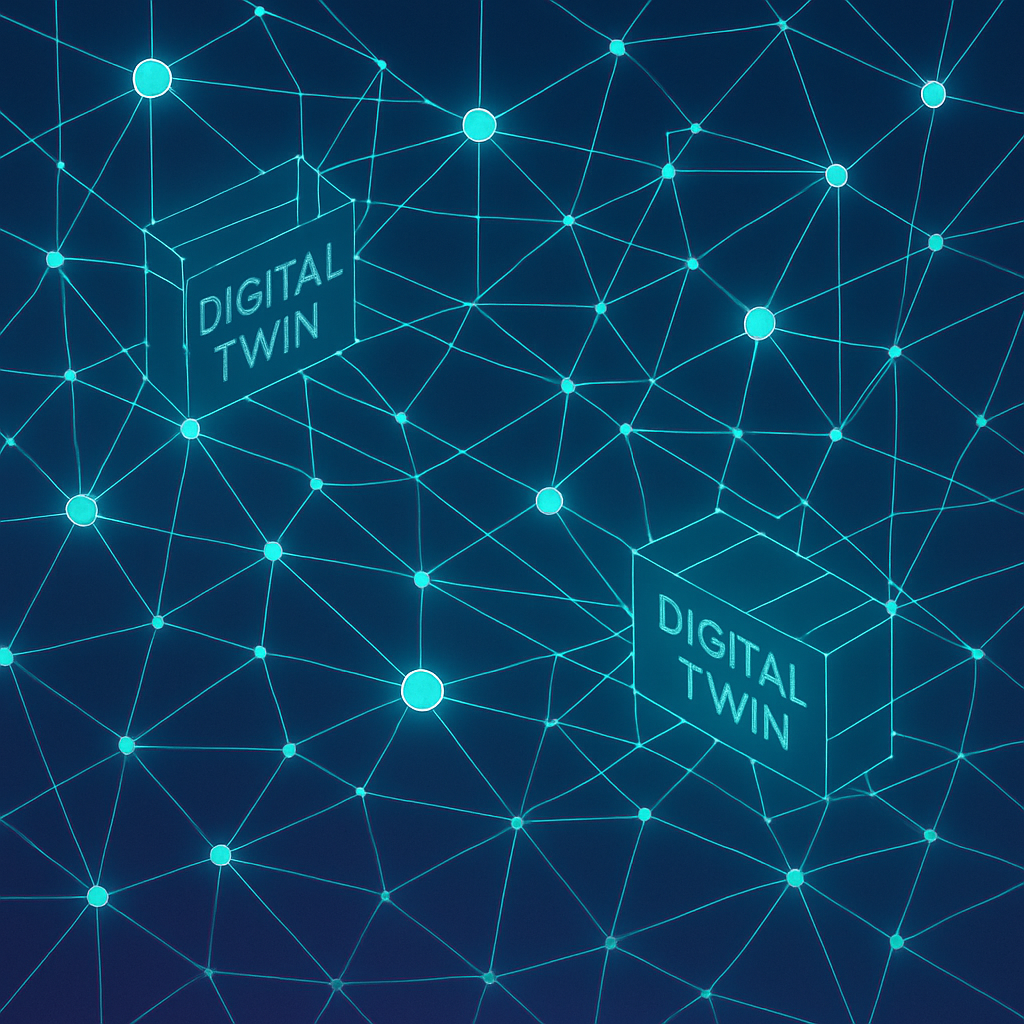
As we step into 2025-2026, the demand for more sophisticated, reliable, and scalable systems is at an all-time high. With the proliferation of IoT devices, edge computing, and AI-driven analytics, the complexity of systems has increased exponentially. Digital twins offer a way to manage this complexity by providing a virtual environment where engineers can test scenarios, predict outcomes, and make data-driven decisions.
Deep Dive into Digital Twins
A digital twin is a dynamic, virtual representation of a physical object or system across its lifecycle. It uses real-time data and other sources to enable learning, reasoning, and dynamically recalibrating for improved decision-making.
Example: Smart Manufacturing
Consider a smart manufacturing plant. A digital twin of the plant can simulate production processes, predict equipment failures, and optimize operations. By integrating with IoT sensors, the digital twin receives real-time data, allowing it to mirror the physical environment accurately.
Real-World Use Cases and Architecture Patterns
Use Case: Predictive Maintenance
In industries like aerospace and automotive, digital twins are used for predictive maintenance. By simulating wear and tear on components, companies can predict failures before they occur, reducing downtime and maintenance costs.
Architecture Pattern: Microservices Integration
Digital twins often leverage microservices architecture to handle various components like data ingestion, simulation, and analytics. This modular approach allows for scalability and flexibility.
Pros, Cons, and Challenges
Pros
- Enhanced Simulation: Provides a realistic environment for testing and optimization.
- Cost Efficiency: Reduces the need for physical prototypes and testing.
- Improved Decision-Making: Offers data-driven insights for better outcomes.
Cons
- Complexity: Implementing digital twins can be complex and resource-intensive.
- Data Security: Handling sensitive data requires robust security measures.
Challenges
- Integration: Seamlessly integrating with existing systems can be challenging.
- Scalability: Ensuring the digital twin can scale with the physical system.
Best Practices / Recommendations
- Start Small: Begin with a pilot project to understand the intricacies of digital twins.
- Focus on Data Quality: Ensure high-quality data for accurate simulations.
- Leverage Cloud Infrastructure: Use cloud platforms for scalability and flexibility.
Common Mistakes Engineers Make
- Overcomplicating the Model: Engineers often try to simulate every detail, leading to unnecessary complexity.
- Ignoring Data Latency: Real-time data is crucial; ignoring latency can lead to inaccurate simulations.
When NOT to Use This Approach
- Simple Systems: For straightforward systems, the overhead of a digital twin may not be justified.
- Limited Data Availability: Without sufficient data, the digital twin cannot function effectively.
How This Impacts System Design Interviews
Understanding digital twins can set you apart in system design interviews. It demonstrates your ability to think about complex systems holistically and your readiness to leverage cutting-edge technology.
Future Outlook
The future of digital twins is promising. As AI and machine learning continue to evolve, digital twins will become more intelligent, offering even deeper insights and automation capabilities. The integration with edge computing will further enhance their real-time capabilities, making them indispensable in industries ranging from healthcare to urban planning.
Conclusion
Digital twins are not just a trend; they are a transformative force in software simulation. By providing a virtual environment for testing and optimization, they offer unprecedented opportunities for innovation and efficiency. As we move forward, embracing digital twins will be crucial for engineers looking to stay at the forefront of technology.
In this blog post, we've explored the potential of digital twins in reshaping software simulation. By understanding their benefits, challenges, and best practices, engineers can harness this technology to build more robust and efficient systems.