Database Sharding Strategies for High-Traffic Applications
In the ever-evolving landscape of software development, the ability to scale applications efficiently is paramount. As we move into 2025 and beyond, the demand for high-performance, scalable systems continues to grow. One of the key strategies to achieve this scalability is database sharding. But what exactly is sharding, and how can it be effectively implemented in high-traffic applications?
Why Sharding Matters Now
With the proliferation of IoT devices, AI-driven applications, and global user bases, the volume of data that applications need to handle is unprecedented. Traditional monolithic databases often become bottlenecks, unable to cope with the sheer volume of transactions. Sharding, the process of splitting a database into smaller, more manageable pieces, allows for horizontal scaling, which is crucial for maintaining performance and reliability in high-traffic environments.
Deep Dive into Sharding Concepts
What is Database Sharding?
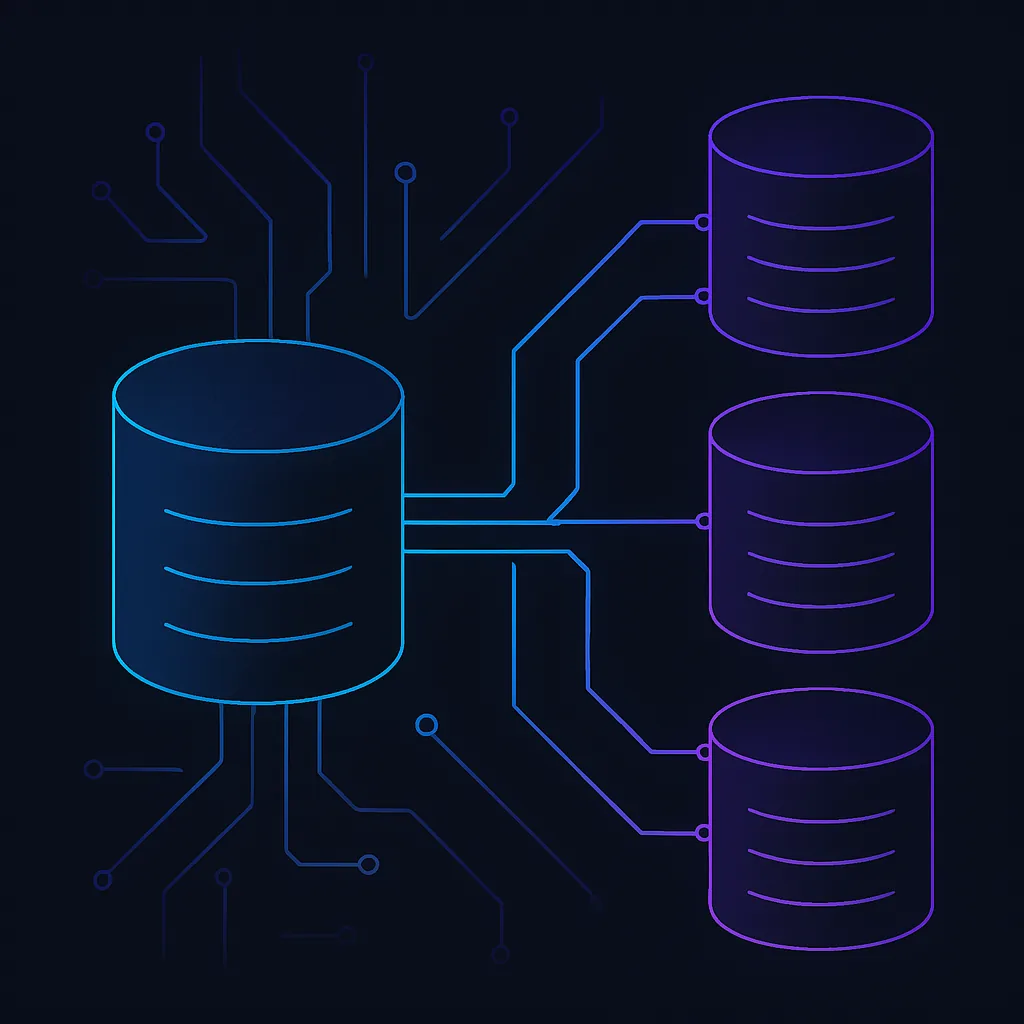
Database sharding involves partitioning a large database into smaller, more manageable pieces called shards. Each shard is a separate database that can be hosted on a different server. This allows for parallel processing of queries, reducing the load on any single database instance.
Sharding Strategies
-
Range-Based Sharding: Data is divided based on ranges of a key. For example, users with IDs 1-1000 might be stored in one shard, while IDs 1001-2000 are in another. This is simple but can lead to uneven distribution if data is not uniformly distributed.
-
Hash-Based Sharding: A hash function is applied to a key to determine the shard. This typically results in a more even distribution of data but can complicate range queries.
-
Directory-Based Sharding: A lookup table is used to map data to shards. This offers flexibility but adds an additional layer of complexity and potential performance bottlenecks.
Real-World Use Cases
Consider a social media platform with millions of users. By sharding the user database based on user ID ranges, the platform can distribute the load across multiple servers, ensuring that no single server becomes a bottleneck. This approach is used by companies like Facebook and Twitter to manage their massive user bases.
Pros, Cons, and Challenges
Pros
- Scalability: Sharding allows for horizontal scaling, enabling systems to handle more traffic by adding more servers.
- Performance: By distributing the load, sharding can significantly improve query performance.
- Fault Tolerance: If one shard fails, others can continue to operate, improving system reliability.
Cons
- Complexity: Implementing sharding adds complexity to the system architecture.
- Data Consistency: Ensuring data consistency across shards can be challenging.
- Operational Overhead: Managing multiple databases increases operational overhead.
Common Mistakes Engineers Make
- Poor Shard Key Selection: Choosing an inappropriate shard key can lead to uneven data distribution and hotspots.
- Overlooking Cross-Shard Queries: Failing to account for queries that span multiple shards can degrade performance.
- Ignoring Future Growth: Not planning for future growth can lead to re-sharding, which is costly and complex.
Best Practices and Recommendations
- Choose the Right Shard Key: Select a shard key that ensures even data distribution and aligns with query patterns.
- Monitor and Adjust: Continuously monitor shard performance and adjust as needed to prevent hotspots.
- Automate Management: Use tools and frameworks that automate shard management to reduce operational overhead.
When NOT to Use This Approach
- Small Applications: For applications with low traffic, the complexity of sharding may not be justified.
- Uniform Data Access: If data access patterns are uniform and predictable, other scaling strategies might be more effective.
How This Impacts System Design Interviews
Understanding sharding is crucial for system design interviews, especially for roles focused on scalability and performance. Candidates should be prepared to discuss sharding strategies, trade-offs, and real-world applications.
Future Outlook
As we look to the future, the importance of sharding will only grow. With advancements in AI and machine learning, the ability to process and analyze large datasets efficiently will be critical. Sharding will continue to be a key strategy for achieving this scalability.
Conclusion
Database sharding is a powerful tool for managing high-traffic applications, offering scalability, performance, and fault tolerance. However, it comes with its own set of challenges and complexities. By understanding the trade-offs and best practices, engineers can effectively implement sharding to meet the demands of modern applications.
Key takeaways include the importance of selecting the right shard key, monitoring shard performance, and automating shard management. As we move into the future, sharding will remain a vital strategy for building scalable, high-performance systems.