
Container Security: Hardening Docker Images for Production
In the ever-evolving landscape of software development, containerization has emerged as a pivotal technology, enabling developers to build, ship, and run applications consistently across different environments. However, with great power comes great responsibility, and securing Docker images for production is a critical task that cannot be overlooked.
Why Container Security Matters Now
As we step into 2025 and beyond, the proliferation of microservices and cloud-native architectures has made containers the de facto standard for deploying applications. This shift has also attracted the attention of malicious actors, making container security a top priority for organizations. The stakes are higher than ever, with data breaches and vulnerabilities posing significant risks to business operations and reputation.
Deep Dive into Hardening Docker Images
Understanding the Attack Surface
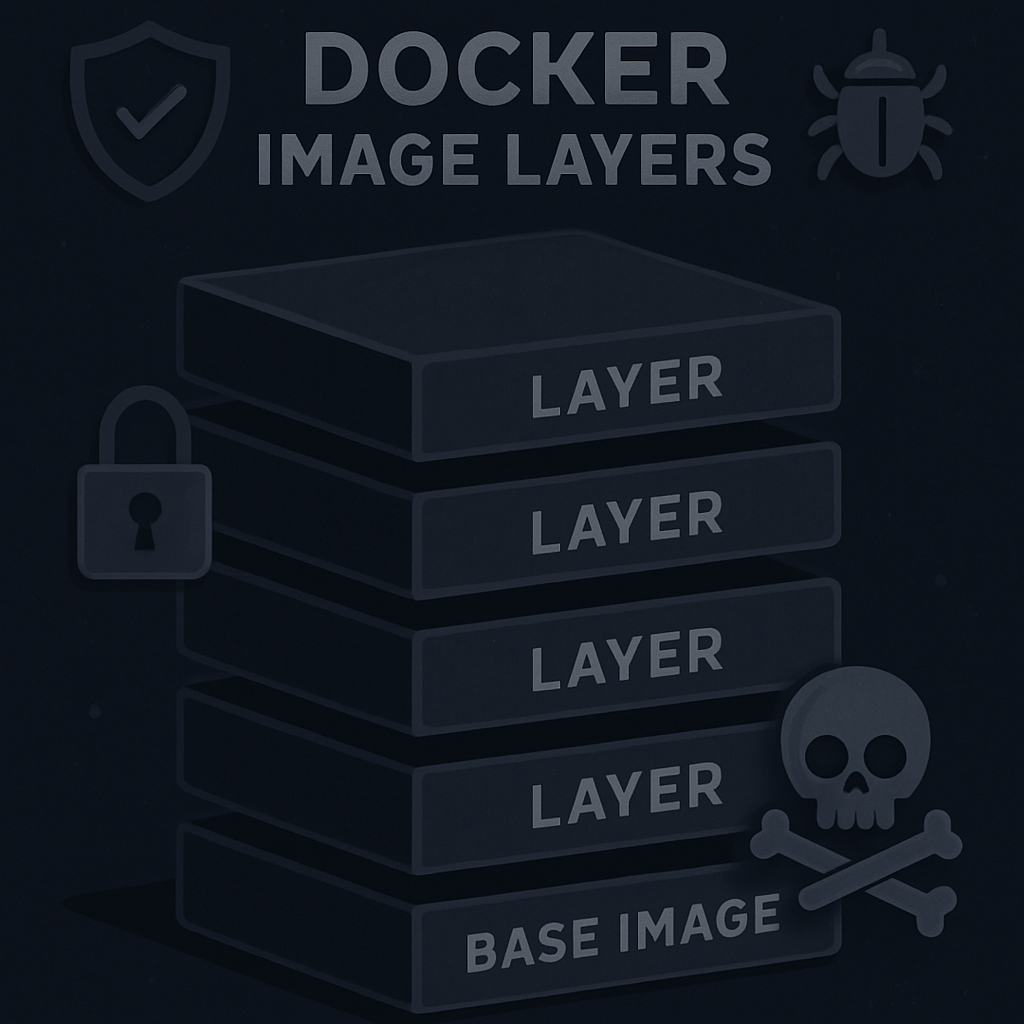
Docker images, by their nature, encapsulate everything needed to run an application, including the operating system, libraries, and dependencies. This comprehensive packaging, while convenient, also expands the attack surface. To mitigate risks, it's essential to minimize the contents of your images.
Example: Building a Minimal Docker Image
Consider a simple Spring Boot application. Instead of using a full-fledged base image, opt for a minimal one:
# Use a minimal base image
FROM openjdk:17-jdk-slim

# Add a non-root user
RUN useradd -ms /bin/bash appuser

# Switch to the non-root user
USER appuser

# Copy the application JAR
COPY target/myapp.jar /app/myapp.jar

# Run the application
ENTRYPOINT ["java", "-jar", "/app/myapp.jar"]
Real-World Use Cases and Architecture Patterns
In a microservices architecture, each service is typically containerized. Companies like Netflix and Spotify have pioneered the use of containers at scale, employing strategies such as:
- Immutable Infrastructure: Containers are treated as immutable, meaning they are never modified after deployment. Instead, new versions are built and deployed.
- Service Meshes: Tools like Istio provide security features such as mutual TLS, which encrypts traffic between services.
Common Mistakes Engineers Make
- Using Bloated Base Images: Large images increase the attack surface and slow down deployments.
- Running as Root: Containers should run as non-root users to limit potential damage from a breach.
- Neglecting Vulnerability Scans: Regularly scan images for known vulnerabilities using tools like Trivy or Clair.
When NOT to Use This Approach
While hardening Docker images is generally beneficial, there are scenarios where it might not be necessary:
- Development Environments: In local development, the focus is often on speed and convenience rather than security.
- Short-Lived Containers: For ephemeral containers used in CI/CD pipelines, the security risk is lower.
How This Impacts System Design Interviews
Understanding container security can set you apart in system design interviews. It demonstrates a holistic approach to building resilient systems. Interviewers often look for candidates who can balance security with performance and scalability.
Best Practices and Recommendations
- Use Multi-Stage Builds: This technique helps create smaller, more secure images by separating the build environment from the runtime environment.
- Regularly Update Base Images: Keep your base images up-to-date to mitigate vulnerabilities.
- Implement Least Privilege: Limit permissions and capabilities of containers to the bare minimum required.
Future Outlook
As container technology continues to evolve, we can expect advancements in automated security tools and practices. AI-driven security solutions are likely to play a significant role in identifying and mitigating threats in real-time.
Conclusion: Key Takeaways
Securing Docker images is a critical component of modern software deployment. By adopting best practices and staying informed about emerging threats, organizations can protect their applications and data. Remember, security is not a one-time task but an ongoing process that requires vigilance and adaptation.
In summary, hardening Docker images for production is not just about following a checklist—it's about embedding security into the fabric of your development and deployment processes.