Container Image Optimization: Layer Caching and Build Performance
In the fast-paced world of software development, where continuous integration and deployment are the norms, optimizing container image builds is crucial. As we move into 2025 and beyond, the demand for efficient, scalable, and rapid deployment processes has never been higher. This blog post delves into the intricacies of container image optimization, focusing on layer caching and its impact on build performance.
Why This Topic Matters Now
With the proliferation of microservices and cloud-native architectures, containerization has become a cornerstone of modern software development. As organizations scale, the efficiency of their CI/CD pipelines becomes a competitive advantage. Optimizing container image builds through techniques like layer caching can lead to significant time and cost savings, making it a hot topic in today's DevOps landscape.
Deep Dive into Concepts
Understanding Container Layers
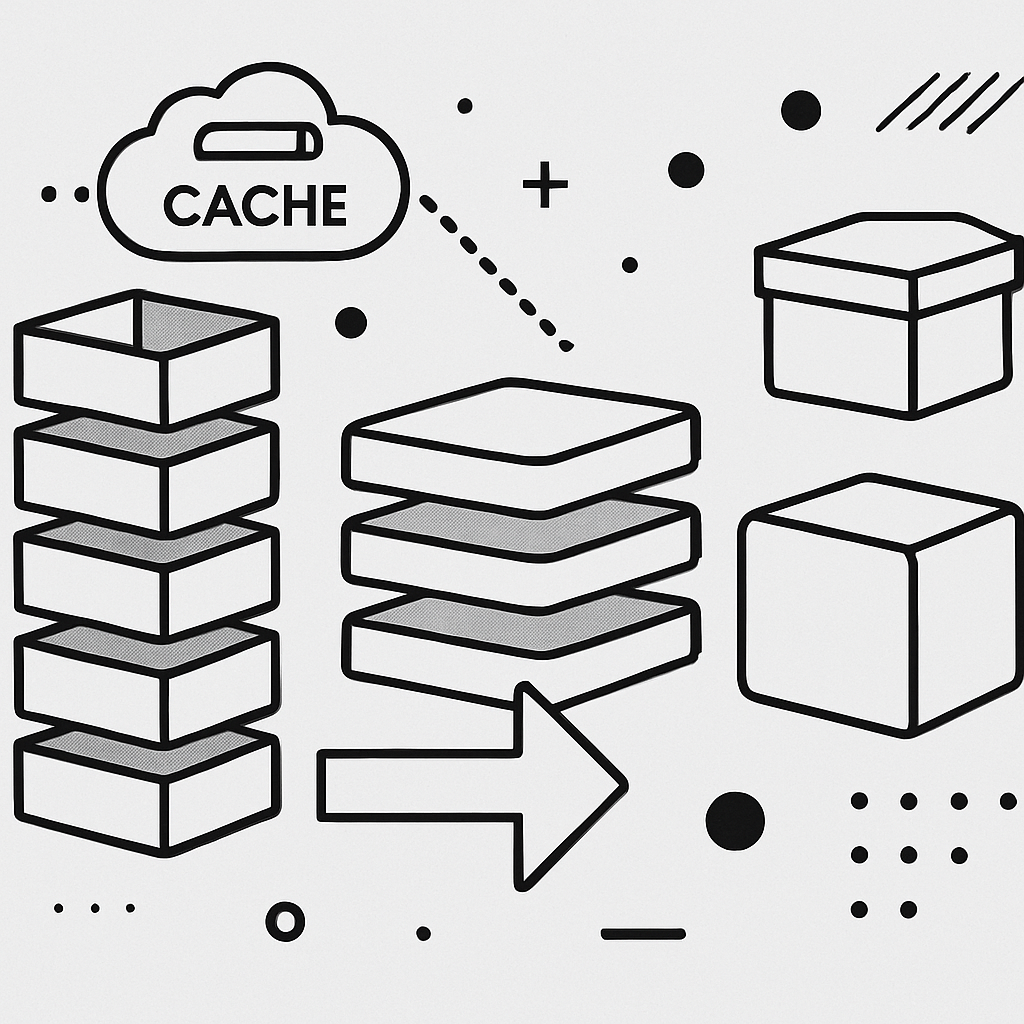
Containers, such as those managed by Docker, are built in layers. Each instruction in a Dockerfile creates a new layer, and these layers are stacked to form the final image. The concept of layers is pivotal because it allows for caching, where unchanged layers from previous builds are reused, reducing build times.
Layer Caching Explained
Layer caching leverages the immutability of layers. When a build process is initiated, Docker checks if a layer has been previously built and cached. If so, it reuses the cached layer instead of rebuilding it. This can drastically reduce build times, especially for large images or frequently built projects.
# Example Dockerfile
FROM openjdk:11
COPY . /app
RUN ./app/gradlew build
In the above Dockerfile, if the base image (openjdk:11) and the application code (COPY . /app) haven't changed, Docker will reuse these layers, only executing the RUN command if necessary.
Real-World Use Cases and Architecture Patterns
Use Case: Microservices Deployment
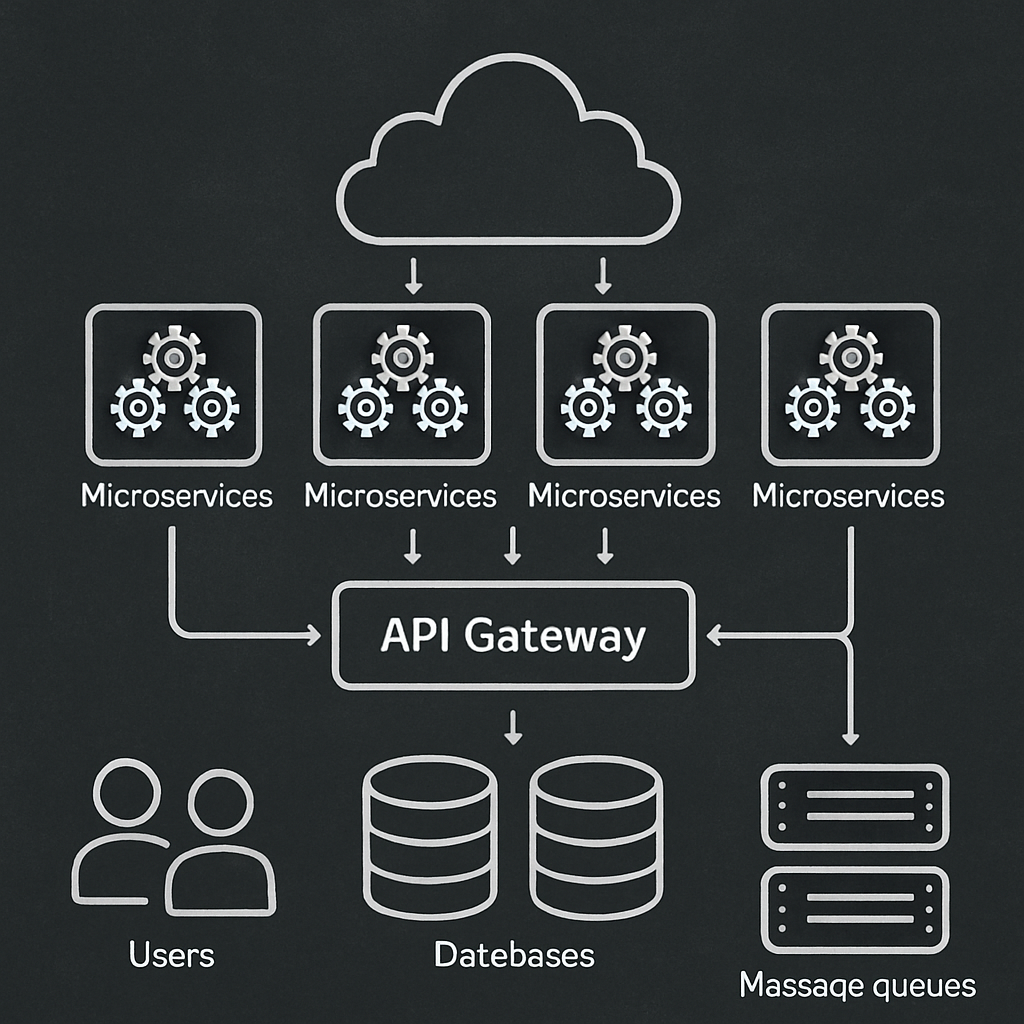
In a microservices architecture, each service is often containerized separately. By optimizing the build process through layer caching, organizations can deploy updates to individual services faster, without rebuilding the entire application stack.
Architecture Pattern: Multi-Stage Builds
Multi-stage builds allow developers to use multiple FROM statements in a Dockerfile, optimizing the final image size by copying only necessary artifacts from one stage to another. This pattern is particularly useful for reducing the size of production images, which can further enhance deployment speed and efficiency.
Pros, Cons, and Challenges
Pros
- Reduced Build Times: By reusing layers, build times can be significantly reduced.
- Cost Efficiency: Faster builds mean less compute time, translating to cost savings.
- Consistency: Layer caching ensures consistent builds by reusing previously validated layers.
Cons
- Complexity: Managing and understanding layer dependencies can add complexity.
- Storage: Cached layers consume storage, which can be a concern in resource-constrained environments.
Challenges
- Cache Invalidation: Determining when to invalidate a cache can be tricky, especially in dynamic environments.
- Security: Cached layers may contain outdated or vulnerable dependencies if not managed properly.
Best Practices / Recommendations
- Order Dockerfile Instructions: Place less frequently changing instructions at the top to maximize cache hits.
- Use Multi-Stage Builds: Optimize image size and build efficiency by separating build and runtime dependencies.
- Regularly Update Base Images: Ensure base images are up-to-date to mitigate security risks.
- Monitor Cache Usage: Regularly review and clean up unused cached layers to manage storage effectively.
Common Mistakes Engineers Make
- Ignoring Layer Order: Placing frequently changing instructions early in the Dockerfile can lead to cache misses.
- Overlooking Security: Failing to update base images or dependencies can introduce vulnerabilities.
- Neglecting Storage Management: Allowing cached layers to accumulate unchecked can lead to storage bloat.
When NOT to Use This Approach
- Small, Infrequent Builds: For small projects with infrequent builds, the complexity of managing layer caching may not be justified.
- Highly Dynamic Environments: In environments where dependencies change frequently, the benefits of caching may be minimal.
How This Impacts System Design Interviews
Understanding container image optimization can be a differentiator in system design interviews. It demonstrates a candidate's ability to think critically about deployment efficiency and scalability, which are crucial in designing robust, cloud-native systems.
Future Outlook
As container orchestration platforms like Kubernetes continue to evolve, the integration of intelligent caching mechanisms and automated cache management will likely become more sophisticated. This will further streamline the build and deployment processes, making container image optimization an even more critical skill for DevOps engineers.
Conclusion
Container image optimization through layer caching is a powerful technique that can significantly enhance build performance and efficiency. By understanding and implementing best practices, engineers can streamline their CI/CD pipelines, reduce costs, and improve deployment speed. As the industry continues to evolve, staying abreast of these techniques will be essential for maintaining a competitive edge.
By focusing on practical insights and real-world applications, this blog post aims to equip engineers with the knowledge needed to optimize their container image builds effectively.