Building Production RAG Systems: Beyond the Simple Demo
In the rapidly evolving landscape of AI, Retrieval-Augmented Generation (RAG) systems have emerged as a powerful paradigm, combining the strengths of retrieval-based and generative models. While demos showcasing RAG's potential are impressive, transitioning from a simple demo to a production-ready system is a complex endeavor. This post explores the nuances of building robust RAG systems that can handle real-world demands.

Why This Topic Matters NOW
As we step into 2025–2026, the demand for intelligent systems that can provide accurate, context-aware responses is at an all-time high. Businesses are leveraging RAG systems to enhance customer support, automate content creation, and improve decision-making processes. However, the journey from a prototype to a scalable, reliable production system is fraught with challenges that require careful consideration of architecture, scalability, and maintainability.
Deep Dive into Concepts
Understanding RAG Systems
At its core, a RAG system integrates two components: a retrieval mechanism that fetches relevant documents or data, and a generative model that synthesizes this information into coherent responses. This hybrid approach allows for more accurate and contextually relevant outputs compared to standalone generative models.
Architecture Patterns
A typical RAG system architecture involves several key components:
- Document Store: A scalable database (e.g., Elasticsearch, MongoDB) that holds the corpus of documents.
- Retrieval Engine: Responsible for fetching relevant documents based on the input query.
- Generative Model: Often a transformer-based model (e.g., GPT-3) that generates responses using the retrieved documents.
- Orchestration Layer: Manages the flow of data between components and handles retries, logging, and monitoring.
Real-World Use Cases
- Customer Support: Automating responses to common queries while escalating complex issues to human agents.
- Content Creation: Assisting writers by generating drafts or suggesting improvements based on existing content.
- Data Analysis: Providing insights by synthesizing information from large datasets.
Pros, Cons, and Challenges
Pros
- Enhanced Accuracy: By grounding responses in real data, RAG systems can provide more accurate and contextually relevant answers.
- Scalability: Modular architecture allows for scaling individual components based on demand.
Cons
- Complexity: Integrating multiple components increases system complexity and potential points of failure.
- Latency: The retrieval process can introduce delays, impacting response times.
Challenges
- Data Freshness: Ensuring the document store is up-to-date with the latest information.
- Model Drift: Regularly updating the generative model to maintain performance.
Best Practices / Recommendations
- Decouple Components: Use microservices to separate retrieval and generation, allowing independent scaling and updates.
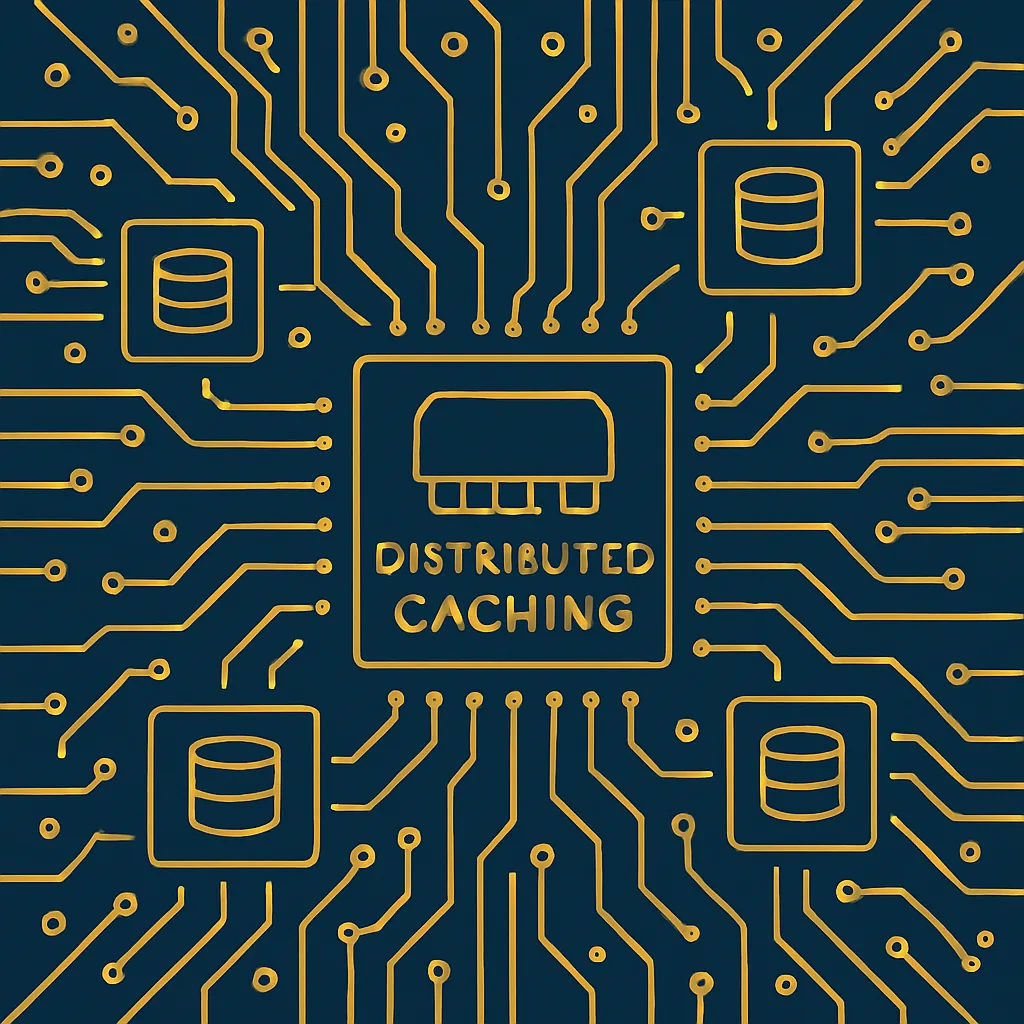
- Implement Caching: Reduce latency by caching frequent queries and responses.
- Monitor Performance: Use tools like Prometheus and Grafana to track system performance and identify bottlenecks.
Common Mistakes Engineers Make
- Overfitting to Demos: Designing systems that work well in controlled environments but fail under real-world conditions.
- Ignoring Latency: Focusing solely on accuracy without considering the impact of response times on user experience.
When NOT to Use This Approach
- Simple Queries: For straightforward information retrieval, traditional search engines may suffice.
- Resource Constraints: RAG systems require significant computational resources, which may not be feasible for all organizations.
How This Impacts System Design Interviews
Understanding RAG systems can be a differentiator in system design interviews, showcasing your ability to integrate AI with traditional software engineering principles. Be prepared to discuss trade-offs, scalability, and real-world implementation challenges.
Future Outlook
As AI continues to advance, RAG systems will become more sophisticated, with improved retrieval mechanisms and more powerful generative models. The focus will likely shift towards optimizing latency and enhancing the interpretability of generated responses.
Conclusion
Building production-ready RAG systems requires a deep understanding of both AI and software engineering principles. By carefully considering architecture, scalability, and best practices, engineers can create systems that not only impress in demos but also deliver real value in production environments. As we move forward, the ability to seamlessly integrate AI into complex systems will be a key skill for engineers looking to stay ahead in the industry.