
Building Knowledge Graphs for AI Applications
In the rapidly evolving landscape of AI, knowledge graphs have emerged as a pivotal tool for enhancing machine learning models and enabling more intelligent applications. As we step into 2025, the demand for systems that can understand and process complex relationships is at an all-time high. This blog post will guide you through the process of building knowledge graphs, their significance, and how they can be effectively integrated into AI applications.
Why Knowledge Graphs Matter Now
The proliferation of data and the need for AI systems to understand context and relationships have made knowledge graphs indispensable. Unlike traditional databases, knowledge graphs provide a semantic layer that allows AI to infer and reason, making them crucial for applications in natural language processing, recommendation systems, and more.
The 2025–2026 Context
With the advent of more sophisticated AI models and the increasing complexity of data, knowledge graphs offer a way to structure and interpret data that goes beyond simple storage. They enable AI systems to connect the dots between disparate data points, providing a richer, more nuanced understanding of information.
Deep Dive into Concepts
What is a Knowledge Graph?
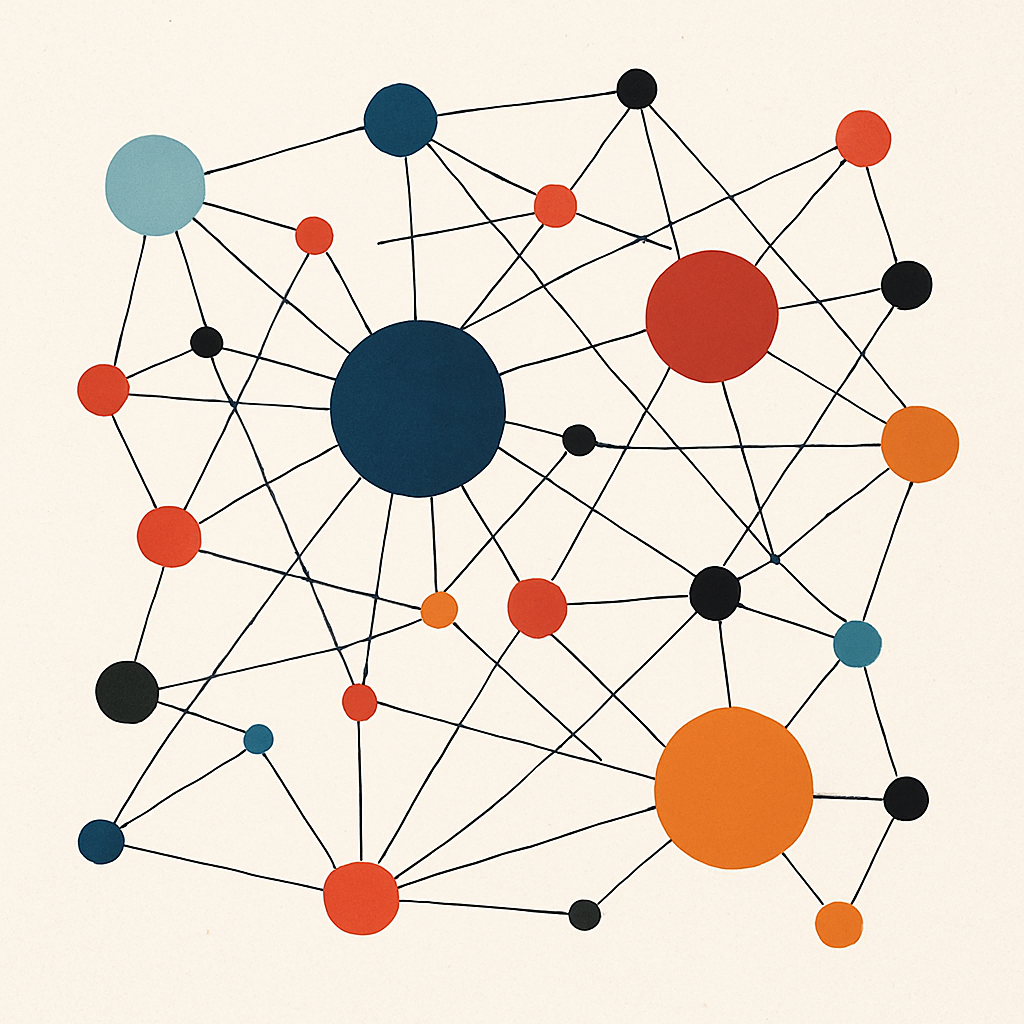
A knowledge graph is a network of entities—objects, events, situations, or concepts—and illustrates the relationships between them. These graphs are used to model real-world knowledge in a way that machines can process.
Building a Knowledge Graph
To build a knowledge graph, you need to:
- Identify Entities and Relationships: Determine the key entities and the relationships between them.
- Data Ingestion: Collect data from various sources and transform it into a structured format.
- Graph Construction: Use tools like Neo4j or Apache Jena to construct the graph.
- Integration with AI Models: Connect the graph with AI models to enhance their capabilities.
Example: Java and Spring Boot
Here's a simple example of how you might start building a knowledge graph using Java and Spring Boot:
import org.neo4j.driver.AuthTokens;
import org.neo4j.driver.Driver;
import org.neo4j.driver.GraphDatabase;
import org.neo4j.driver.Session;

public class KnowledgeGraphBuilder {
    private final Driver driver;

    public KnowledgeGraphBuilder(String uri, String user, String password) {
        driver = GraphDatabase.driver(uri, AuthTokens.basic(user, password));
    }

    public void close() {
        driver.close();
    }

    public void addEntity(String entityName) {
        try (Session session = driver.session()) {
            session.run("CREATE (a:Entity {name: $name})",
                        parameters("name", entityName));
        }
    }

    public static void main(String[] args) {
        KnowledgeGraphBuilder builder = new KnowledgeGraphBuilder("bolt://localhost:7687", "neo4j", "password");
        builder.addEntity("AI");
        builder.close();
    }
}

Real-World Use Cases and Architecture Patterns
Use Case: Recommendation Systems
Knowledge graphs can significantly enhance recommendation systems by understanding user preferences and behaviors in a more contextual manner. For instance, a movie recommendation system can use a knowledge graph to link actors, genres, and user ratings, providing more personalized suggestions.
Architecture Pattern: Microservices
Incorporating knowledge graphs into a microservices architecture involves creating a dedicated service for graph operations. This service can interact with other services via APIs, ensuring that the graph data is accessible and up-to-date.
Pros, Cons, and Challenges
Pros
- Enhanced Contextual Understanding: Provides AI with a deeper understanding of data relationships.
- Scalability: Can handle large volumes of data and complex queries.
Cons
- Complexity: Building and maintaining a knowledge graph can be complex and resource-intensive.
- Data Quality: Requires high-quality data to be effective.
Challenges
- Integration: Ensuring seamless integration with existing systems.
- Performance: Optimizing query performance for large graphs.
Best Practices / Recommendations
- Start Small: Begin with a small subset of data to validate your approach.
- Iterate and Expand: Gradually expand the graph as you refine your understanding of the data.
- Leverage Existing Tools: Use established tools and frameworks to streamline development.
Future Outlook
As AI continues to evolve, the role of knowledge graphs will only grow. They will become integral to systems that require a deep understanding of context and relationships, such as autonomous vehicles and advanced robotics.
Conclusion with Key Takeaways
Knowledge graphs are a powerful tool for enhancing AI applications, providing a semantic layer that enables machines to understand complex relationships. By integrating knowledge graphs into your systems, you can unlock new capabilities and insights, paving the way for more intelligent and responsive applications.
Common Mistakes Engineers Make
- Overcomplicating the Graph: Avoid adding unnecessary complexity; focus on key entities and relationships.
- Neglecting Data Quality: Ensure that the data used to build the graph is accurate and reliable.
When NOT to Use This Approach
- Simple Data Models: If your application doesn't require complex relationships, a traditional database might suffice.
- Limited Resources: Building and maintaining a knowledge graph can be resource-intensive.
How This Impacts System Design Interviews
Understanding knowledge graphs can set you apart in system design interviews, showcasing your ability to handle complex data structures and enhance AI capabilities.
By embracing knowledge graphs, engineers can build more intelligent systems that are capable of understanding and processing the intricate web of data that defines our world.