
Building Engineering Habits That Stick: A Guide for Modern Software Engineers
In the ever-evolving landscape of software development, the ability to cultivate and maintain good engineering habits is more critical than ever. As we move into 2025 and beyond, the complexity of systems, the pace of technological change, and the demands of cloud-native architectures require engineers to be more disciplined and efficient. But how do you build habits that not only improve your productivity but also stick in the long run?
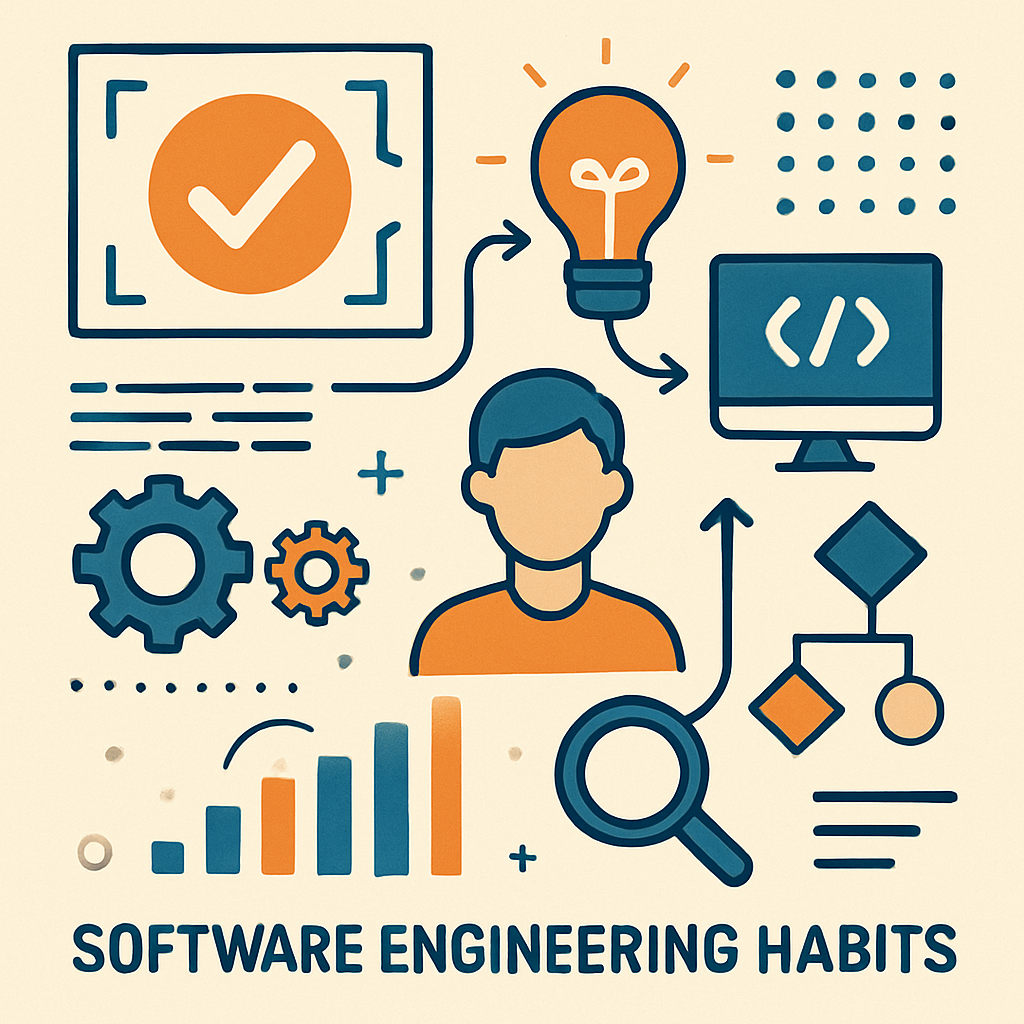
Why This Topic Matters Now
The software industry is at a pivotal point. With the rise of AI-driven development, microservices architectures, and DevOps practices, engineers are expected to deliver high-quality software faster than ever. The pressure to innovate and adapt is immense, and without solid engineering habits, even the most talented developers can find themselves overwhelmed. Building habits that stick is not just about personal productivity; it's about staying relevant and effective in a rapidly changing field.
Deep Dive into Concepts
The Power of Consistency
Consistency is the cornerstone of any habit. For software engineers, this means regularly practicing coding, system design, and problem-solving. Consider the habit of writing unit tests. By consistently writing tests for every piece of code, you not only ensure code quality but also build a mindset of accountability and thoroughness.
Example: Consistent Code Reviews
Imagine a team that conducts code reviews for every pull request. This habit ensures that code quality is maintained, knowledge is shared, and junior developers learn from seniors. Over time, this consistency leads to a culture of excellence and continuous improvement.
Automation as a Habit
Automation is a key habit that can significantly boost productivity. By automating repetitive tasks, engineers can focus on more complex problems. For instance, using CI/CD pipelines to automate testing and deployment can save countless hours and reduce human error.
// Example of a simple CI/CD pipeline configuration in Jenkins
pipeline {
    agent any
    stages {
        stage('Build') {
            steps {
                sh 'mvn clean install'
            }
        }
        stage('Test') {
            steps {
                sh 'mvn test'
            }
        }
        stage('Deploy') {
            steps {
                sh 'kubectl apply -f deployment.yaml'
            }
        }
    }
}
Real-World Use Cases
Microservices Architecture
In a microservices architecture, the habit of designing loosely coupled services is crucial. This involves regularly refactoring services to ensure they remain independent and scalable. Companies like Netflix have mastered this habit, allowing them to deploy hundreds of services independently.
Pros, Cons, and Challenges
Pros
- Increased Efficiency: Good habits streamline workflows and reduce cognitive load.
- Improved Code Quality: Consistent practices lead to cleaner, more maintainable code.
- Enhanced Collaboration: Shared habits foster better teamwork and communication.
Cons
- Initial Resistance: Building new habits can be challenging and may face resistance.
- Over-Reliance on Tools: Automation can lead to complacency if not monitored.
Challenges
- Sustaining Motivation: Keeping habits alive requires ongoing motivation and reinforcement.
- Adapting to Change: As technologies evolve, habits must also adapt, which can be difficult.
Best Practices / Recommendations
- Start Small: Begin with small, manageable habits and gradually build on them.
- Use Tools Wisely: Leverage tools like Jenkins, Docker, and Kubernetes to automate and streamline processes.
- Regular Reflection: Periodically review and adjust your habits to ensure they remain effective.
Common Mistakes Engineers Make
- Neglecting Documentation: Failing to document processes and decisions can lead to confusion and errors.
- Ignoring Feedback: Not incorporating feedback from peers can stall personal and team growth.
- Overcomplicating Solutions: Engineers often fall into the trap of over-engineering, which can be avoided by adhering to the KISS principle (Keep It Simple, Stupid).
When NOT to Use This Approach
- In Highly Dynamic Environments: In startups or rapidly changing projects, rigid habits may hinder agility.
- For One-Off Projects: Investing time in building habits for short-term projects may not yield significant benefits.
How This Impacts System Design Interviews
Good engineering habits can significantly impact your performance in system design interviews. Demonstrating a habit of clear communication, structured problem-solving, and thoughtful design choices can set you apart from other candidates. Interviewers often look for candidates who can articulate their thought process and justify their design decisions.
Future Outlook
As we look to the future, the importance of building and maintaining good engineering habits will only grow. With the increasing complexity of systems and the rapid pace of technological advancement, engineers who can adapt and thrive will be those who have ingrained effective habits into their daily routines.
Conclusion
Building engineering habits that stick is not just about improving productivity; it's about ensuring long-term success in a fast-paced industry. By focusing on consistency, automation, and continuous improvement, engineers can not only enhance their own skills but also contribute to the success of their teams and organizations. As we move forward, the ability to adapt and maintain good habits will be a defining characteristic of successful software engineers.
By cultivating these habits, you'll be better equipped to tackle the challenges of modern software development and remain at the forefront of the industry.