
AWS ElastiCache vs Self-Hosted Redis: Navigating the Real Trade-offs
The Challenge of Choosing the Right Redis Deployment
You're staring at a latency spike in your production environment. The culprit? Your Redis instance is struggling under load. As you weigh your options, the decision looms: should you migrate to AWS ElastiCache or stick with a self-hosted Redis setup? This choice isn't just about technology—it's about cost, scalability, and operational overhead.
Context and Assumptions
This discussion assumes a tech stack involving Java 21, Spring Boot 3.3, and Redis 6.x, handling approximately 5k requests per second in a multi-region setup. We're focusing on scenarios where Redis is used as a caching layer, not as a primary database. Out of scope are Redis modules and advanced data structures beyond basic caching.
Why This Matters Now (2025-2026 Context)
As we move into 2025, cloud-native architectures are becoming the norm. The demand for scalable, resilient systems is higher than ever, and the choice between managed services like AWS ElastiCache and self-hosted solutions is critical. With cloud costs rising and the need for operational efficiency, understanding these trade-offs is essential for modern system design.
Step-by-step Walkthrough of the Approach
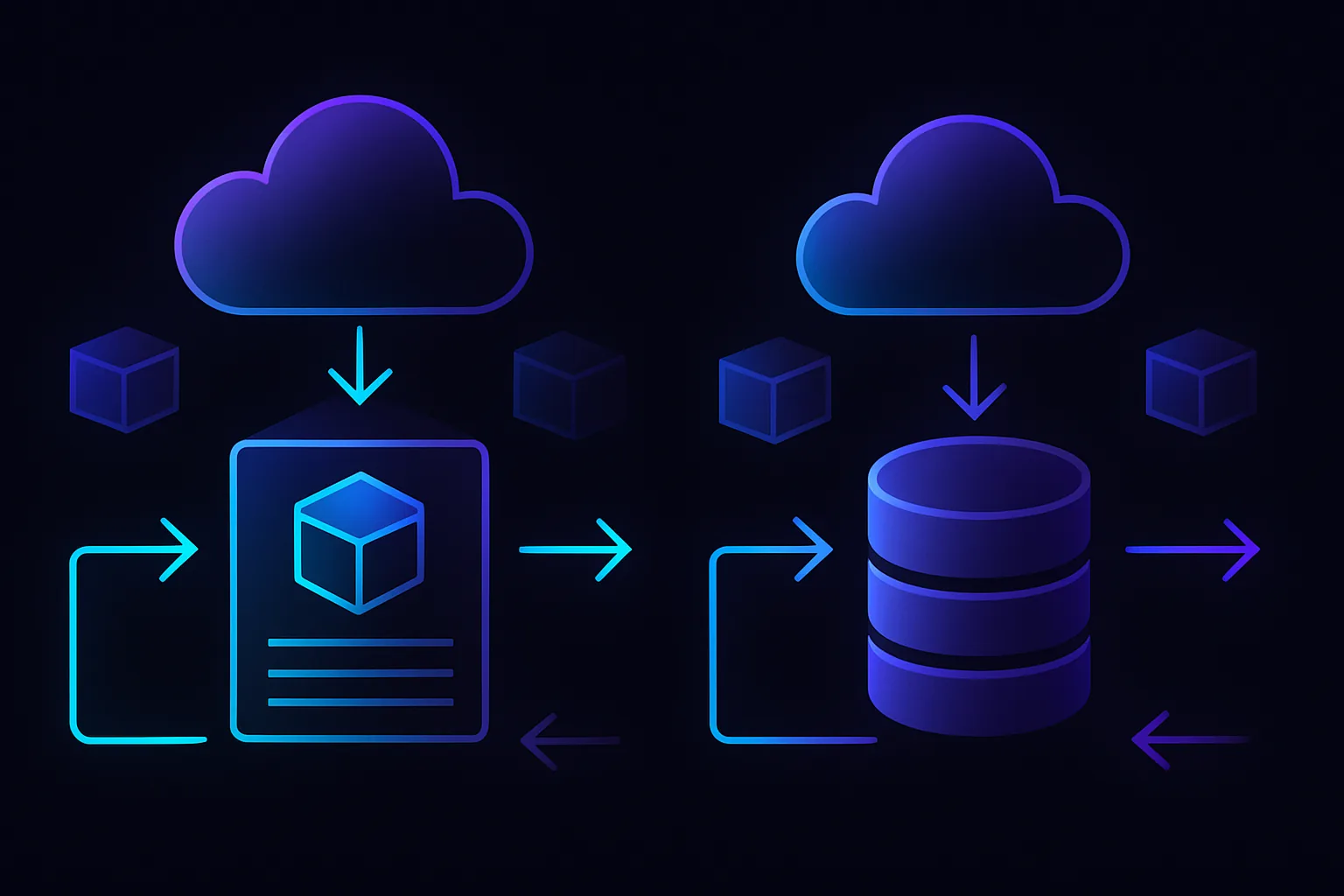
- Evaluate Your Current Load and Growth Projections
-
Analyze your current Redis load and project future growth. Use metrics like request per second and memory usage to determine if your current setup can handle projected growth.
-
Cost Analysis
-
Compare the cost of AWS ElastiCache with self-hosted Redis. Consider not just the raw instance costs but also the operational overhead of managing a self-hosted solution.
-
Scalability Considerations
-
AWS ElastiCache offers seamless scaling with minimal downtime. For self-hosted Redis, you'll need to plan for scaling events, which can involve significant downtime and complexity.
-
Operational Overhead
-
Managed services like AWS ElastiCache reduce the operational burden, handling patching, backups, and failover. Self-hosted Redis requires a dedicated team to manage these tasks.
-
Security and Compliance
- AWS ElastiCache provides built-in security features and compliance certifications. With self-hosted Redis, you'll need to implement and maintain security measures yourself.
# AWS ElastiCache configuration example
cacheCluster:
  engine: redis
  cacheNodeType: cache.m5.large
  numCacheNodes: 3
  automaticFailoverEnabled: true
  # Automatic failover reduces downtime
Real-world Use Cases or Architecture Patterns
Many companies use AWS ElastiCache for its ease of use and integration with other AWS services. For instance, a fintech company might leverage ElastiCache for real-time transaction processing, benefiting from its low-latency and high-availability features. Conversely, a tech startup with a tight budget might opt for self-hosted Redis to minimize costs, using Kubernetes for orchestration to manage scaling and failover.
Common Mistakes Engineers Make
- Underestimating Costs: Engineers often overlook the total cost of ownership, focusing only on instance prices without considering operational costs.
- Ignoring Latency Requirements: Not all Redis deployments are equal in terms of latency. AWS ElastiCache might introduce additional latency due to network overhead.
- Overlooking Security: Self-hosted Redis can be vulnerable if not properly secured, leading to potential data breaches.
Trade-offs and When NOT to Use This Approach

Choosing AWS ElastiCache might not be ideal if:
- Cost is a Primary Concern: Managed services come with a premium.
- You Need Full Control: If you require custom configurations or modules, self-hosting might be necessary.
- Latency is Critical: Network latency in cloud environments can be a bottleneck.
Conversely, self-hosted Redis might not be suitable if:
- You Lack Operational Expertise: Managing Redis clusters requires significant expertise.
- Scalability is a Priority: Scaling self-hosted solutions can be complex and error-prone.
How This Impacts System Design Interviews
Understanding the trade-offs between AWS ElastiCache and self-hosted Redis can be a valuable discussion point in system design interviews. It demonstrates your ability to weigh operational considerations against technical requirements, a critical skill for senior engineering roles.
Practical Recap
- Assess Your Load: Regularly evaluate your Redis load and growth projections.
- Conduct a Cost Analysis: Include operational overhead in your cost comparisons.
- Plan for Scalability: Choose a solution that aligns with your scalability needs.
- Prioritize Security: Ensure your Redis deployment is secure, whether managed or self-hosted.
- Prepare for Interviews: Use this knowledge to discuss trade-offs in system design interviews.